
Window Stay Finishes: Chrome, Brass, White and Beyond
Window Stay Finishes: Chrome, Brass, White and Beyond Choosing the right finish for a window stay is about more than appearance: it affects durability, mai...
Window Stay Finishes: Chrome, Brass, White and Beyond
Choosing the right finish for a window stay is about more than appearance: it affects durability, maintenance, compatibility with other ironmongery and suitability for the location. Whether you are a trade installer fitting dozens of windows a week or a homeowner replacing a single stay, understanding the strengths and limits of each finish will help you specify the correct product and install it so it lasts.
Why finish matters for a window stay
Finishes determine corrosion resistance, how the hardware weathers and how often it needs maintenance. They also affect compatibility with the rest of the window furniture. For example, a polished chrome stay gives a different visual result than an unlacquered brass stay. In coastal or high-humidity locations, finish choice is critical to avoid rust staining and premature failure.
Common finishes and their characteristics
- Polished chrome (electroplated): Bright and mirror-like; common on modern aluminium and uPVC windows. Chrome plating normally has a nickel under-layer. It gives a hard scratch-resistant surface; however, plating can wear at edges and reveal base metal if abused.
- Satin or brushed chrome: Less reflective; hides fingerprints and light scratching. A good choice for high-traffic areas.
- Lacquered brass: Shiny, warm finish that keeps the bright brass look without polishing. Lacquer prevents tarnishing but can chip; if the lacquer is damaged the exposed brass may tarnish beneath.
- Unlacquered (living) brass: Will develop a natural patina over time; many homeowners like the aged look. Requires occasional polishing if a bright finish is preferred.
- Powder-coated white (or other colours): Common on uPVC or painted timber windows. Powder coat provides an even, durable finish; ensure the substrate is suitably treated (galvanised or stainless) before coating to prevent corrosion underneath.
- Stainless steel (satin or polished): Long-lasting and highly corrosion-resistant. For coastal applications choose 316 grade; 304 is sufficient inland.
- PVD and specialist coatings: Physical vapour deposition (PVD) and other advanced coatings are harder wearing than traditional plating and offer a range of colours with excellent scratch resistance.
Environmental considerations: where each finish works best
- Coastal properties: Specify 316 stainless steel or PVD finishes designed for marine environments; avoid plain plated steels and thin chrome.
- Urban or standard domestic settings: Polished or satin chrome and lacquered brass perform well with routine maintenance.
- Period or heritage properties: Unlacquered brass or antique finishes suit the style; accept that unlacquered brass will change over time.
- High-use windows: Friction, wear and contact points benefit from satin stainless or hard-coated finishes; reduced maintenance means longer service life.
Trade and DIY installation tips
Correct installation is as important as the finish. A well-fitted window stay will operate smoothly and last longer.
- Choose compatible fixings: Use stainless steel screws with plated or powder-coated stays to avoid rust staining. For brass stays use brass screws if you want a fully matching look; however, stainless fixings are often the most durable
- Pilot holes: Always drill pilot holes in timber to the correct diameter for the screw shank to avoid splitting. For uPVC, use self-drilling screws designed for uPVC or secure into the metal reinforcement where possible.
- Countersink and bed the base: For timber frames ensure the stay base sits flat; apply a thin smear of silicone or a non-acidic sealant to prevent moisture ingress at the fixing points if required.
- Check alignment and operation: Fit the stay loosely, cycle the window to check operation, then tighten fixings evenly. Over-tightening can distort the stay or strip the screw heads.
- Use the right length and type: Select a stay length and peg position that suits the sash size and desired opening. Heavy sashes may need a longer stay or additional friction restrictors; very heavy or large sashes might be better suited to friction hinges rather than traditional peg stays.
Maintenance and care by finish
- Chrome and stainless: Clean with warm soapy water and a soft cloth. Avoid abrasive cleaners which can scratch the surface. Light lubrication with a dry graphite or light machine oil on moving parts will keep operation smooth.
- Lacquered brass: Wipe clean with a damp cloth; avoid solvent-based cleaners which can attack the lacquer. If lacquer chips, consider re-lacquering or replacing the stay to maintain appearance.
- Unlacquered brass: Polish with a non-abrasive brass cleaner if you want to maintain a bright finish; otherwise allow natural patina to form.
- Powder-coated finishes: Clean with mild detergent and avoid scraping. Touch-up paint is available for small chips but ensure the substrate is corrosion-free before applying.
Practical problems and how to avoid them
- Corrosion under paint or powder coat: Prevent by specifying galvanised or stainless base metals; ensure proper surface preparation and coating.
- Stripped fixings: Use the correct screwdriver head and size; pre-drill pilot holes and use long enough screws to gain good purchase into the frame.
- Mismatched finishes: For a professional finish match all visible ironmongery: stays, handles, hinges and locks. If you cannot match exactly, choose a neutral finish such as satin stainless.
- Incorrect stay for sash weight: Verify sash weight and recommended stay capacity; heavy sashes may require friction hinges or heavy-duty restrictor stays.
Specifying for projects
For trade jobs include finish and base material on schedules: for example, "casement window stay, polished chrome plated over brass, 300mm, steel substrate with nickel undercoat" or "unlacquered brass stay for period sash windows." For refurbishment note whether existing fixings are sound and whether additional reinforcement or repair to the frame is needed before finalising the finish choice.
Further reading and resources
For a wider look at hinge types and when to use each, see our pillar page on window hinges: /guides/window-hinges. That page covers friction stays, butt hinges and the compatibility between hinges and stays, which can influence finish choice and fixing method.
Recommended Products
Based on this article, you may find these products helpful:
- Top Hung Friction Stay - 12"
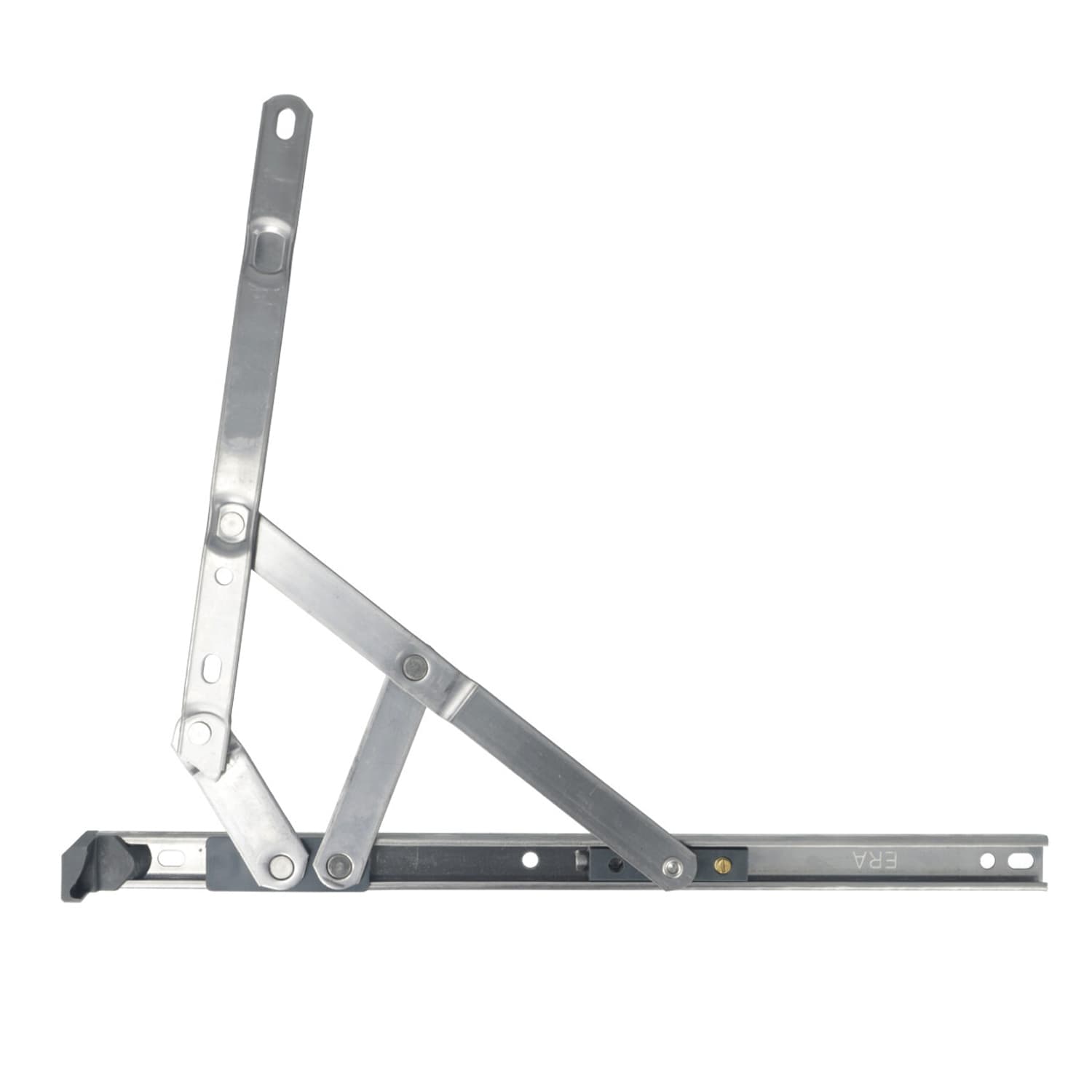
- ERA Egress (Fire escape) Friction Stay
- TSS Standard Friction Stays – 13mm & 17mm Stack Height
- Restricted Friction Stay Hinges
- Top-Hung Window Hinge - Standard
Conclusion and next steps
Selecting the right finish for a window stay balances appearance, durability and environment. For coastal or high-use locations choose stainless or PVD; for heritage properties unlacquered brass may be preferable; for modern installations satin or polished chrome and powder-coated whites are common. If you need product recommendations, sample finishes or help with specifying fixings, contact Window Hardware Store for trade pricing and technical advice. Before ordering, measure sash weights and hole positions, decide on the visual match required and confirm the correct screw types for your frames.
Related articles
Period Window Stays: Heritage Options for Older Properties
Period Window Stays: Heritage Options for Older Properties Older properties often require hardware that respects traditional appearance while providing mod...
Replacing Old Window Stays: Finding Matching Hardware
Replacing an old window stay can restore functionality, security and appearance to a worn casement. Whether you are a joiner, a glazing contractor or a dil...
How to Replace Friction Hinges on uPVC Windows
How to Replace Friction Hinges on uPVC Windows Overview Friction hinges are the most common operating mechanism on uPVC casement windows in the UK. They al...