
Window Stay Lengths Explained: 8", 10" and 12" Options
Window Stay Lengths Explained: 8", 10" and 12" Options What is a window stay and why length matters A window stay is the metal arm or bar th...
Window Stay Lengths Explained: 8", 10" and 12" Options
What is a window stay and why length matters
A window stay is the metal arm or bar that holds a casement window in an open position; it can be a traditional peg-and-bar stay, a sliding bolt stay, or part of a friction stay assembly. The length of the stay determines how far the sash can open, how securely it is held at intermediate positions, and how force is distributed into the frame. Choosing the correct length is important for ventilation, security and safe operation, whether you are fitting windows on a domestic property or working on site as a trade professional.
Differences between 8", 10" and 12" stays
Short stays such as 8" are most commonly used on small windows where opening needs to be limited: for example small bathroom or kitchen windows where privacy and security are priorities. An 8" stay gives good control and a modest opening angle; it also places less leverage on the frame fixings.
10" stays are the general-purpose option for most casement windows. They offer a balance between ventilation and frame loading and are often the default choice for medium-sized windows. They are suitable where you need a reasonable opening for cleaning and airflow but do not require a very wide aperture.
12" stays provide a wider opening and are useful on larger sashes where good access or maximum ventilation is required. The trade-off is increased leverage on fixings and potentially more stress on the frame; correct fixing size and material selection become more critical with longer stays.
How to measure stay length correctly
- Measure the stay bar from the centre of the pivot hole at the handle side to the centre of the hinge or fixed pin at the other end; this is the working length that determines opening geometry.
- If measuring an existing stay, remove it where possible and lay flat to measure overall length and hole centres. Note any offset or bend in the bar that affects position.
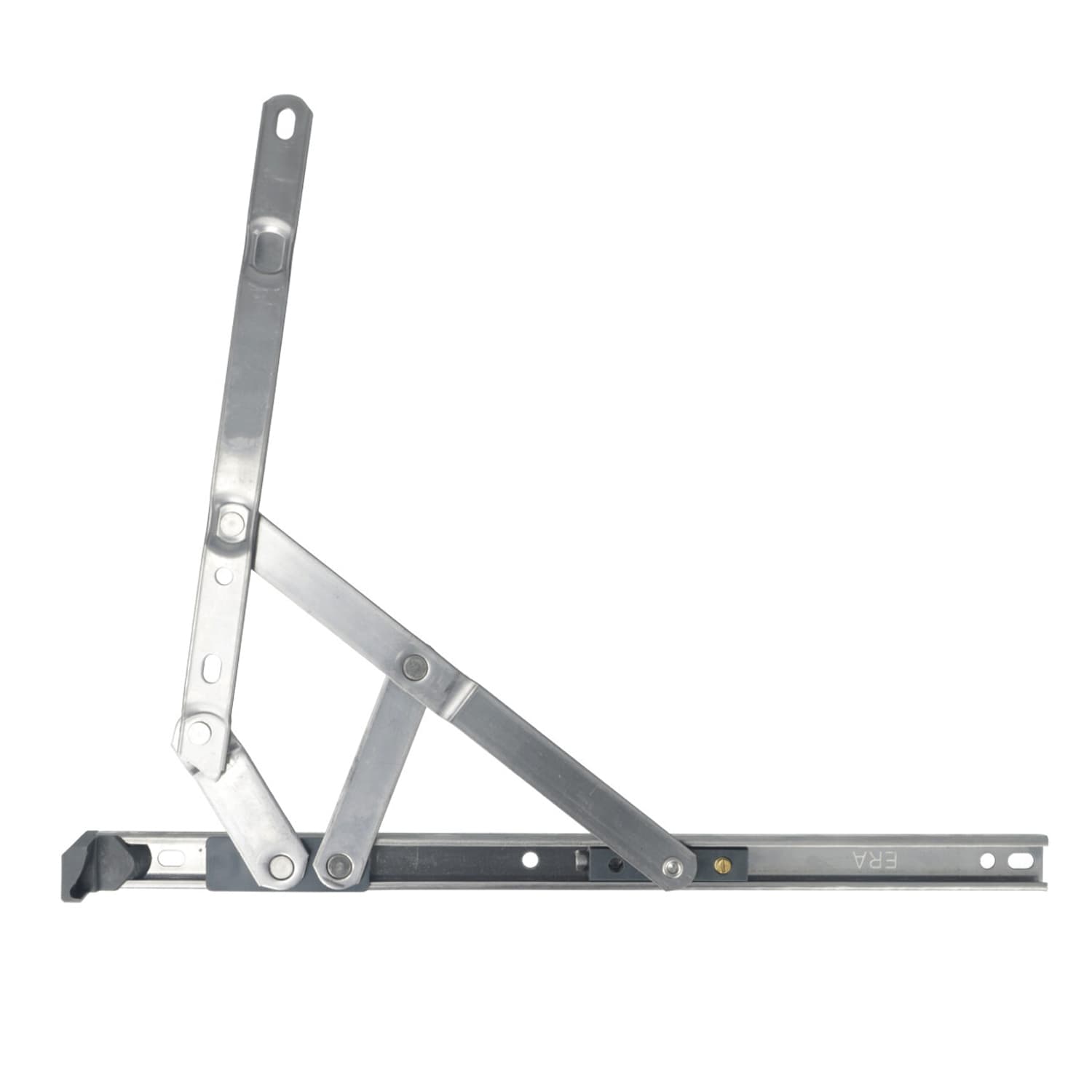
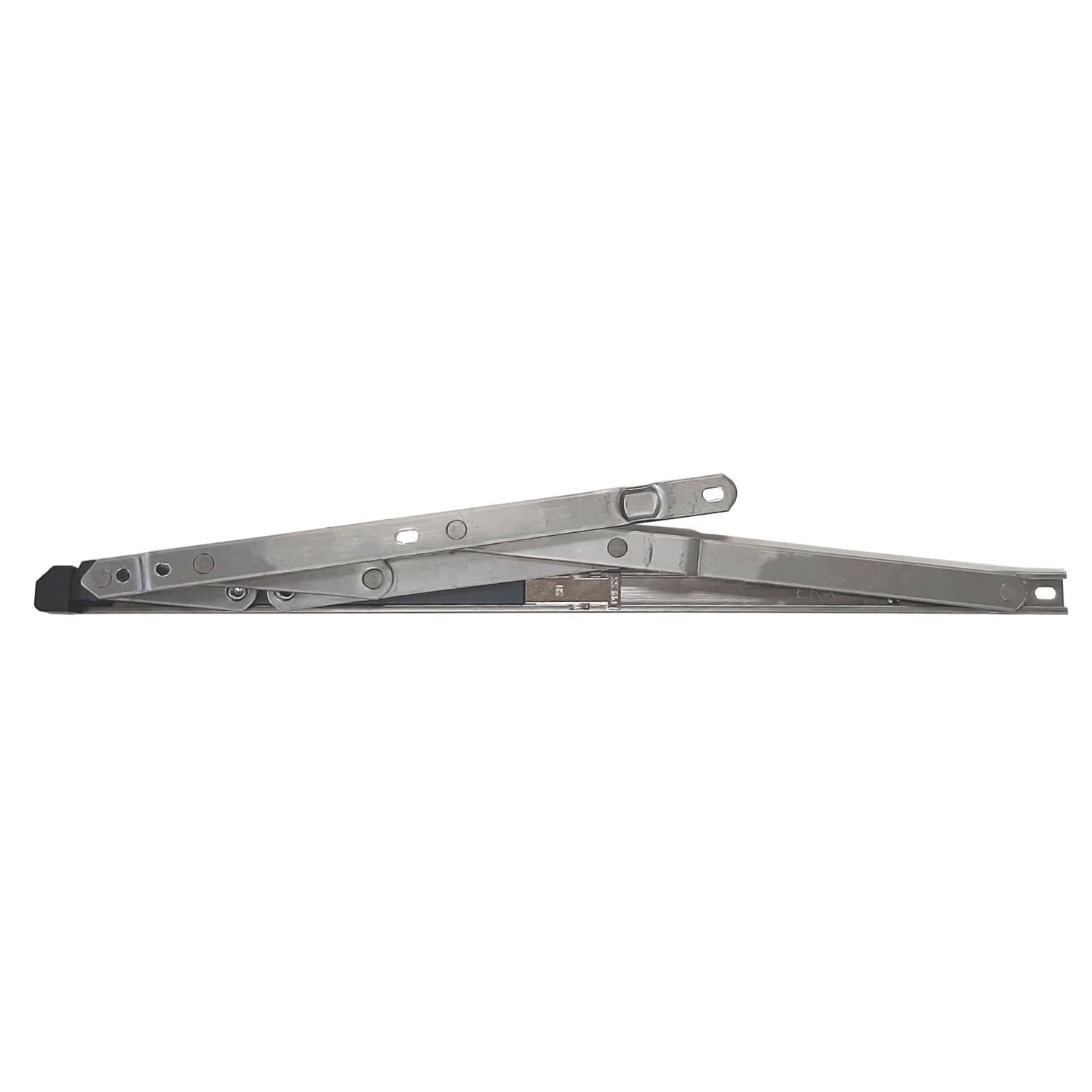
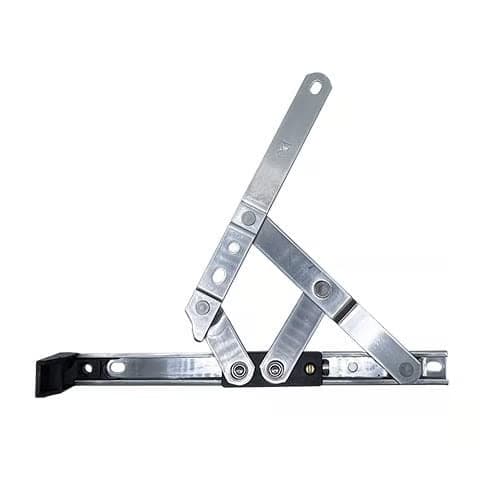
- For friction stays, the length quoted is the overall hinge length; this should match the sash height and the frame depth; see the manufacturer data for load ratings and recommended sash sizes.
Selecting the right stay: practical trade advice
- Match stay length to sash height and desired opening angle: small sashes normally use 8" or 10" stays; taller or wider sashes often need 12" stays or friction stays of equivalent span.
- Consider fixings and frame material: for timber frames use stainless steel wood screws; typical sizes are 4.0 x 35mm for 8" and 10" stays, and 4.5 x 40mm for 12" stays when heavier loading is expected. Countersink or use matching head styles where flush fit is required.
- For softwood frames pre-drill pilot holes 1mm smaller than the screw shank to avoid splitting. For hardwood use a slightly larger pilot and consider longer screws for deeper bite.
- When installing onto metal or PVC frames use the appropriate machine screws and backing plates or nuts; do not use timber screws into plastic without reinforcement.
- If the window is part of an escape route, ensure the stay permits full opening; conversely, if child safety is a concern, fit a restrictor or choose a stay length that limits opening.
Installation and DIY tips
Fitting or replacing a window stay is straightforward for a competent DIYer, and these steps will help avoid common mistakes:
- Tools: screwdriver, pilot drill bits, square, pencil, measuring tape, stainless steel or galvanised screws, silicone sealant for external frames if required.
- Mark the positions accurately: align the stay so the bar clears the frame and sill at full opening; use the hole centres on the stay as your template.
- Pre-drill pilot holes and fit screws finger-tight; open and close the sash to test positions and then tighten progressively. Over-tightening can bend the stay or strip the hole.
- For friction stays adjust the friction settings where that feature is provided. Follow the manufacturer's instructions; excessive friction will stress the hardware and the frame.
- Check sealing and drainage: larger openings can change how rainwater runs off the sill. Adjust drip beads or apply sealant where required to prevent water ingress.
Materials, finishes and compatibility
Window stays are available in brass, stainless steel, anodised aluminium and painted finishes. For external use or coastal locations select marine-grade stainless steel to prevent corrosion. When matching new stays to existing hardware, check the finish and hole pattern; some stays are reversible to suit left- and right-handed windows, while others are handed and must be ordered accordingly.
Common mistakes to avoid
- Using a stay that is too long for the sash: this can put excessive lever force on fixings and distort the frame over time.
- Installing with undersized screws or into unsuitable substrates without reinforcement.
- Not allowing clearance for overhangs, trickle vents or handles when determining opening angle.
- Failing to replace worn or bent stays: a compromised stay is a safety risk and can damage the window.
When to specify a friction stay instead
If you need multiple intermediate positions and smoother operation, a friction stay or a friction-controlled hinge may be the better option. Friction stays are usually specified by sash height and load, and their length needs to match the frame depth. For larger modern aluminium or PVC windows they often replace traditional bar stays altogether.
Recommended Products
Based on this article, you may find these products helpful:
- Top Hung Friction Stay - 12"
- ERA Egress (Fire escape) Friction Stay
- TSS Standard Friction Stays – 13mm & 17mm Stack Height
- Restricted Friction Stay Hinges
- Top-Hung Window Hinge - Standard
Conclusion and next steps
Selecting between 8", 10" and 12" window stays comes down to the balance between required opening, frame strength and intended use. For general domestic use 10" is the most versatile, 8" suits constrained openings and child-safe situations, and 12" is best for larger sashes requiring greater access or ventilation. Measure hole centres carefully, choose appropriate corrosion-resistant materials and fit with correct pilot holes and screws.
For more on hinge and stay compatibility see our full window hinges guide or contact our trade support team for help matching stays to specific sash sizes and frame materials.
Related articles
Period Window Stays: Heritage Options for Older Properties
Period Window Stays: Heritage Options for Older Properties Older properties often require hardware that respects traditional appearance while providing mod...
Replacing Old Window Stays: Finding Matching Hardware
Replacing an old window stay can restore functionality, security and appearance to a worn casement. Whether you are a joiner, a glazing contractor or a dil...
How to Replace Friction Hinges on uPVC Windows
How to Replace Friction Hinges on uPVC Windows Overview Friction hinges are the most common operating mechanism on uPVC casement windows in the UK. They al...