
Window Stay vs Friction Hinge: Which Do You Need?
Window Stay vs Friction Hinge: Which Do You Need? Choosing the right hardware affects the performance, security and usability of a window. Two common optio...
Window Stay vs Friction Hinge: Which Do You Need?
Choosing the right hardware affects the performance, security and usability of a window. Two common options for casement and side-hung windows are the traditional window stay and the modern friction hinge. Both have a place on domestic and commercial properties; the right choice depends on window type, opening method, weight, ventilation needs and whether you are a trader fitting large batches or a homeowner doing a DIY upgrade.
What is a window stay?
A window stay is a simple mechanical device that holds an opening sash at a set position. Stays are typical on outward-opening timber casements and come in plain or decorative styles: monkey tail, pear drop, T-bar and more. The stay usually fits to the frame with a stay plate and locates onto a peg or notches on the stay bar to lock the sash at a chosen angle.
Pros of a window stay:
- Cost effective and straightforward to fit.
- Visually appropriate for period properties and timber restoration work.
- Plenty of decorative finishes available to match ironmongery.
- Easy to maintain and replace.
Limitations:
- Fixed positions only; not suitable when continuous variable opening is required.
- Offers limited security unless fitted with a locking stay or catch.
- Not ideal for heavy or wide sashes where multiple support points are needed.
What is a friction hinge?
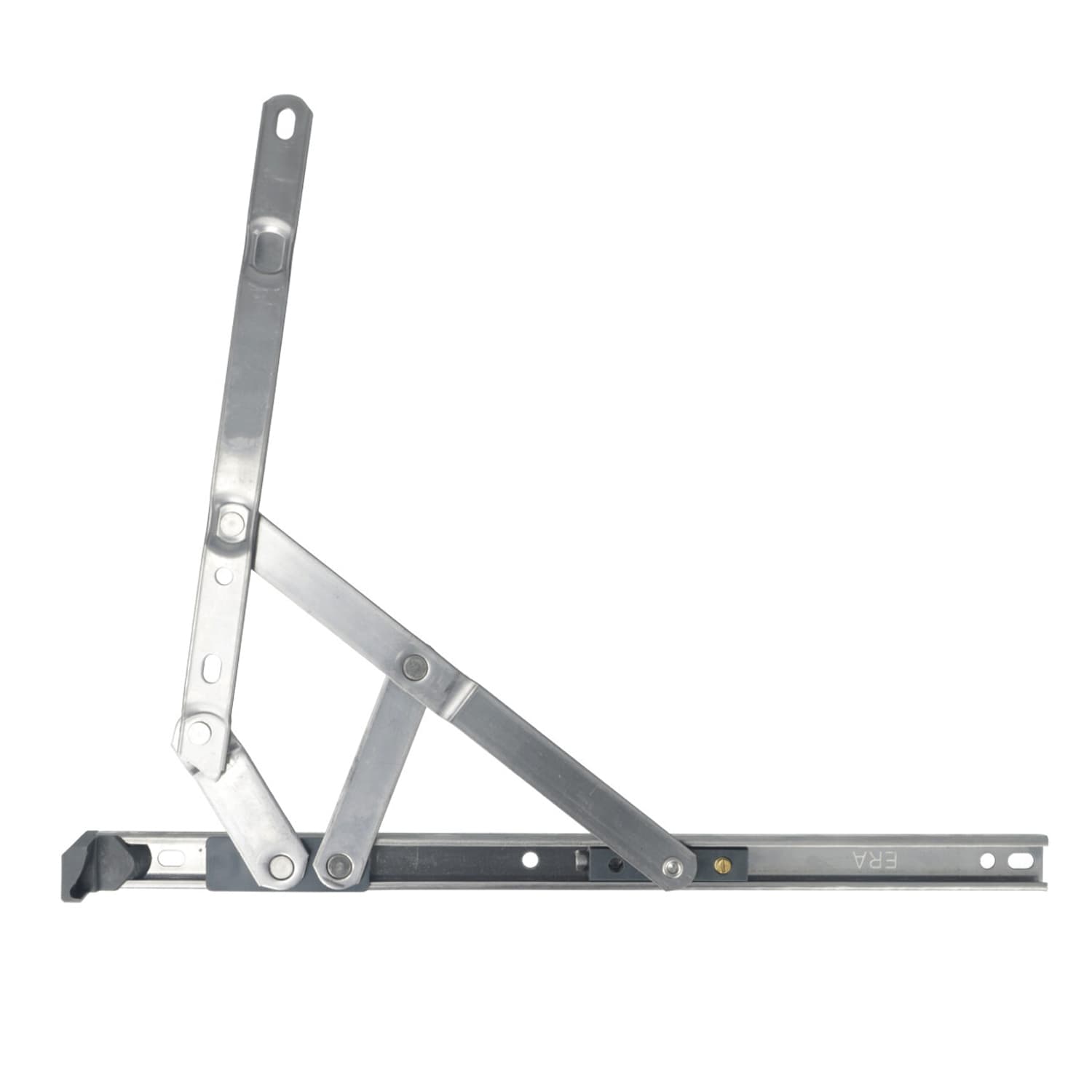
A friction hinge, often called a friction stay in trade parlance, is a pair of articulated metal arms that mount between the sash and frame. They provide controlled resistance or friction so the sash stays at any chosen angle. Friction hinges are widely used on modern uPVC and aluminium windows and are available for inward and outward openings. Many incorporate restrictor options and can be selected to suit specific load ratings.
Advantages of friction hinges:
- Variable positioning; the sash will remain where you leave it with no separate prop.
- Suitable for heavier and larger sashes; choose the correct size and weight rating.
- Cleaner look; largely concealed when the window is closed.
- Can incorporate limiters, egress features and compatibility with multipoint locking systems.
Drawbacks:
- Higher initial cost compared with a basic stay.
- More complex to fit and adjust; often better suited to trade installers.
- May require periodic adjustment and lubrication to maintain smooth friction.
Key differences: practical summary
- Function: A window stay props the sash into a small number of fixed positions; a friction hinge holds it at any angle using frictional resistance.
- Application: Stays suit traditional outward-opening timber casements; friction hinges are the default for modern double-glazed uPVC and aluminium casements, and for inward-opening sashes where cleaning is required.
- Security and compliance: Friction hinges can integrate with modern locking systems and security standards; stays are best paired with locking catches if security is a concern.
- Load capacity: Friction hinges come with specified weight ratings; stays are limited by the peg and bar strength and are not ideal for large heavy sashes.
Which should tradespeople choose and when?
For joiners and installers fitting multiple casements on new builds or refurbishment projects, friction hinges are generally the safer commercial choice. They offer consistent performance, compatibility with sealed units and meet customer expectations for modern windows. Specify hinges with the correct length and load rating, and confirm handedness and opening direction before ordering.
For timber restorations and period properties where appearance is critical, use a traditional window stay in a finish that matches existing ironmongery. If security is a priority on period windows, choose locking stays or fit a separate handle-operated restrictor.
DIY guidance: what to check before you buy and fit
- Identify opening type: inward or outward, side-hung or top-hung; friction hinges are available for both, but orientation matters.
- Measure sash size and weight: large or heavy sashes need hinges with higher load ratings; some friction hinges are rated per pair and will specify maximum sash weights.
- Choose suitable finish and corrosion resistance: use stainless steel or plated finishes for coastal locations.
- Pre-drill pilot holes and use manufacturer-recommended screws; stainless fixings are essential for longevity on exterior fittings.
- When replacing old hardware, check frame and sash condition; rotten timber or thin aluminium may need repair prior to fitting new hinges or stays.
Installation and maintenance tips
For window stays: position the stay so the maximum opening suits ventilation and prevents the sash hitting external objects. Fix the stay plate securely and ensure the peg sits fully into the chosen notch. For locking stays, ensure the key or lever operates smoothly and that the catch plate aligns correctly.
For friction hinges: follow the manufacturer's template for drilling and fixing. Fit the hinge arms square to the sash and frame, and ensure the friction adjustment screw is accessible for later tuning. Use the correct number of hinges: small sashes may need two; larger sashes commonly require three to prevent sag and reduce stress on fixings.
Maintenance for both includes periodic cleaning, checking screws for tightness, light lubrication of moving parts and replacement when components show play or corrosion. On friction hinges, re-tension the friction adjustment if the sash droops or does not hold position.
Security, regulations and safety
Consider restrictors and egress requirements. Child safety often requires restrictors that limit opening to about 100mm; these can be fitted as separate devices or as part of the hinge. If the window serves as an emergency escape route, ensure the chosen hardware does not impede the required clear opening and complies with relevant building regulations. For high-security installations, specify components that meet PAS 24 or Secured by Design where appropriate.
Recommended Products
Based on this article, you may find these products helpful:
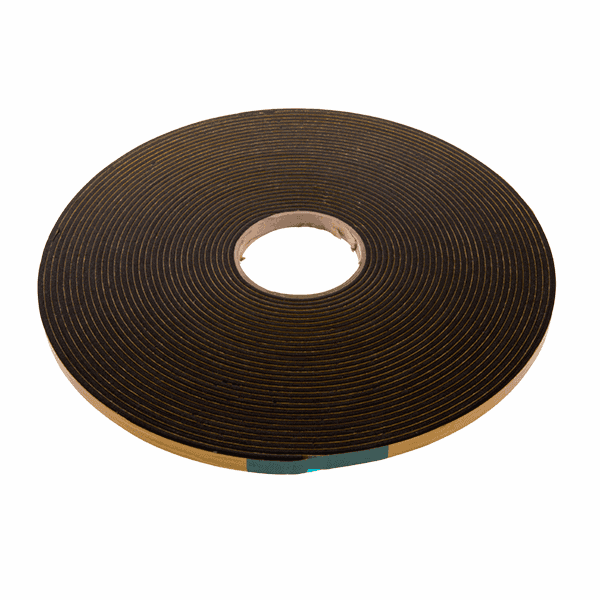
- Structural Glazing Tape - 20mm
- Security Glazing Tape
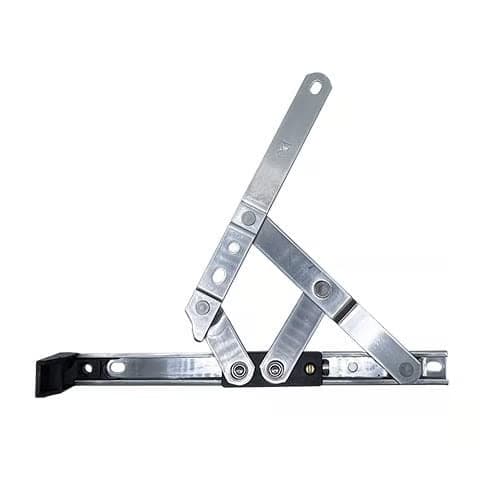
- Top Hung Friction Stay - 12"
- ERA Egress (Fire escape) Friction Stay
- TSS Standard Friction Stays – 13mm & 17mm Stack Height
Conclusion: making the right choice and next steps
Choose a window stay when you need a cost-effective, period-correct solution for outward-opening timber casements. Opt for a friction hinge when you need variable positioning, a clean appearance, compatibility with modern double glazing and better integration with locking systems. For tradespeople, standardising on a reliable friction hinge range reduces call-backs; for homeowners, matching the hardware to the window style and usage will give the best balance of appearance and performance.
Next steps: measure your sash, note opening type and intended use, then consult product datasheets or our pillar page on window hinges for technical specifications and recommended fittings: /guides/window-hinges. If in doubt, seek advice from a trade supplier or fit a sample before committing to a full installation.
Products mentioned in this article
Related articles
Period Window Stays: Heritage Options for Older Properties
Period Window Stays: Heritage Options for Older Properties Older properties often require hardware that respects traditional appearance while providing mod...
Replacing Old Window Stays: Finding Matching Hardware
Replacing an old window stay can restore functionality, security and appearance to a worn casement. Whether you are a joiner, a glazing contractor or a dil...
How to Replace Friction Hinges on uPVC Windows
How to Replace Friction Hinges on uPVC Windows Overview Friction hinges are the most common operating mechanism on uPVC casement windows in the UK. They al...