
3 Star Cylinder Key Control: Anti-Copy Features
3 Star Cylinder Key Control: Anti-Copy Features The 3 star cylinder is now a recognised standard for enhanced euro cylinder security in the UK: it combines...
3 Star Cylinder Key Control: Anti-Copy Features
The 3 star cylinder is now a recognised standard for enhanced euro cylinder security in the UK: it combines robust physical attack resistance with controlled key duplication to reduce the chance of unauthorised copies. For homeowners and trade professionals choosing or fitting door cylinders, understanding the anti-copy features and how they interact with installation practice is essential to get the best protection for doors and windows.
What "3 star" means for cylinders
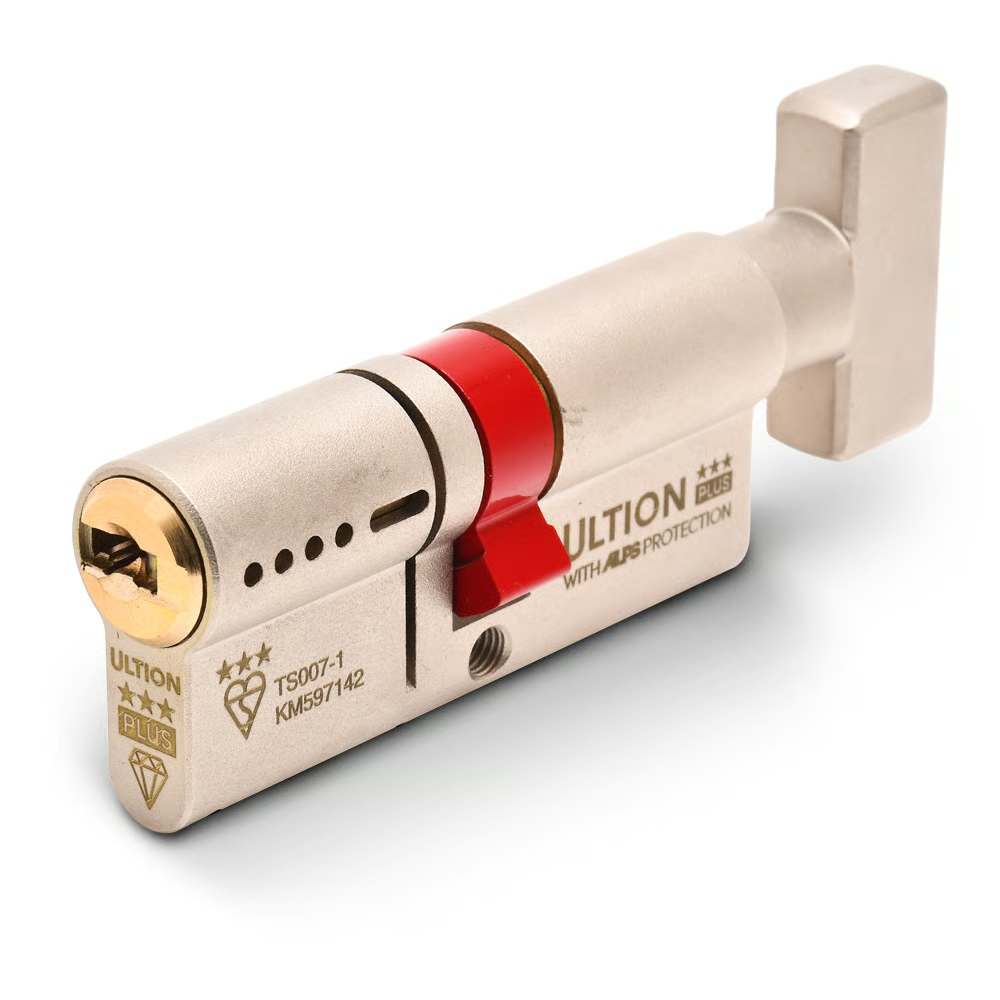
A 3 star cylinder meets the highest level of the TS007 test regime for euro cylinders; products with this rating are engineered to resist common attacks such as snapping, drilling, picking and bumping. Key control is an equally important part of the package: many 3 star cylinders are supplied as restricted key systems. Restricted systems limit who can legally copy a key, by using patented or proprietary key profiles and a proof-of-identity process for duplication.
Common anti-copy features on 3 star cylinders
- Patented or protected key profiles: Key blanks are not sold to the general public; only authorised dealers and factories can copy them.
- Security key cards: The original purchaser receives a card that must be presented to gain additional keys; this verifies ownership and reduces casual copying.
- Machine-only duplication: Keys require specialised cutting equipment not commonly found in high-street key-cutting shops.
- Numbered or coded keys: Each key bears a unique number that links back to a restricted code; tradespeople can order replacements only with proper authorisation.
- Multi-feature key designs: Dimple or side-cut keys with complex bitting patterns make unauthorised copying harder and more expensive.
Why key control matters for homeowners and landlords
Even the strongest physical cylinder is vulnerable if unauthorised copies are circulating. Key control reduces risk in communal settings, newly purchased properties and rented homes where keys may have been duplicated without the owner knowing. For landlords and managing agents, restricted systems make it straightforward to demonstrate that additional keys can be controlled and replaced under documented procedures.
Practical trade advice when specifying 3 star cylinders
- Specify a recognised manufacturer and check the TS007 marking: buy cylinders with clear 3 star certification and traceable part numbers.
- Ask about registered key systems: ensure the product comes with a security card and documented ordering route for extra keys.
- Consider master keying carefully: master keyed suites are useful for commercial or multi-occupancy projects; however, they introduce complexity to key control and demand secure records and strict access rights.
- Plan cylinder lengths to avoid protrusion: excessive cylinder proud of the escutcheon makes snapping easier; measure door thickness and order the correct dimension.
- Coordinate with escutcheons and handles: fit high-security external escutcheons or reinforced armor plates to resist attacks at the cylinder area.
- Keep a central register: for social housing or large projects, maintain a secure log of cylinders, codes and card numbers to simplify replacements and audits.
DIY guidance: choosing and fitting a 3 star cylinder
For competent DIYers, replacing a euro cylinder is straightforward; follow manufacturer instructions and take basic measurements before ordering. If you are unsure, consult a qualified locksmith or installer.
Steps to replace a euro cylinder:
- Measure the existing cylinder: measure from the central fixing screw to each end; common sizes are 35/35mm, 30/40mm etc. Order the exact or nearest sizes to avoid protrusion.
- Check door hardware compatibility: ensure your handle set and escutcheons suit a euro profile cylinder and that any reinforced plates will accommodate a 3 star product.
- Remove the handle and unscrew the centre fixing screw: this is usually located on the edge of the door at the cylinder level.
- Insert the key and turn slightly to align the cam: this lines up the cam so the cylinder can slide out smoothly.
- Withdraw the old cylinder and fit the new 3 star cylinder: insert the key, align the cam, slide the cylinder in and secure with the central screw.
- Test operation before finishing: check locks with the door open, test from both sides, and ensure handles operate correctly when locked and unlocked.
- Confirm key control: keep the security card safe and make a note of the code for future replacements; do not discard this documentation.
Buying additional keys and security card management
When you need extra keys for a restricted 3 star cylinder, follow the manufacturer’s authorised route: you will normally present the security card and proof of ownership to an authorised dealer. For trade professionals, carry proof of identity and any client authorisation documents when ordering copies. Keep the original security card in a safe place; losing it can make replacement keys more cumbersome and slow down emergency work.
When to call a locksmith or upgrade the system
Call a locksmith if you suspect a key has been copied without authorisation, if a cylinder has been forcibly attacked, or if you need complex master keying and high levels of audit control. For properties requiring the highest protection, consider upgrading to systems that combine 3 star cylinders with reinforced escutcheons, anti-tamper screws and monitored key management systems; these options are commonly used in commercial premises and high-risk residential sites.
Recommended Products
Based on this article, you may find these products helpful:
Conclusion: next steps
Choosing a 3 star cylinder with robust key control is an effective way to reduce unauthorised key duplication and improve door security. For homeowners: check the TS007 3 star marking, keep the security card safe and fit the correct cylinder length to reduce vulnerability. For trade professionals: specify restricted key systems where appropriate, maintain a documented key register and coordinate cylinder choice with escutcheons and handles.
For more detailed technical advice and product options, see our pillar page on euro cylinders at /c/locks-security or contact our team for specification support and authorised key ordering procedures.
Products mentioned in this article
Related articles
What Is a Thumb Turn Cylinder? Convenience vs Security
What Is a Thumb Turn Cylinder? Convenience vs Security What is a thumb turn cylinder? A thumb turn cylinder is a type of euro-profile lock cylinder that ha...
Thumb Turn Cylinder vs Panic Bar: Exit Options Compared
Thumb Turn Cylinder vs Panic Bar: Exit Options Compared examines two very different approaches to door egress and security. The thumb turn cylinder is a co...
Thumb Turn Cylinder Sizes: Finding the Right Length
Thumb Turn Cylinder Sizes: Finding the Right Length Choosing the correct thumb turn cylinder is vital for security, smooth operation and a neat finish on d...