
Anti-Snap Cylinder Brands: Yale, Ultion, ABS and More
Anti-Snap Cylinder Brands: Yale, Ultion, ABS and More. Choosing the right anti snap cylinder can make a major difference to the security of external doors ...
Anti-Snap Cylinder Brands: Yale, Ultion, ABS and More. Choosing the right anti snap cylinder can make a major difference to the security of external doors and to compliance with insurance requirements. This post compares the main manufacturers, explains the technical features that matter to homeowners and trade professionals, and gives practical fitting and maintenance advice for euro cylinders.
What is an anti snap cylinder and why it matters
An anti snap cylinder is a euro-profile cylinder designed to resist a common burglary technique known as cylinder snapping: forcing the cylinder with tools so the lock can be turned from the outside. Anti-snap cylinders include sacrificial sections, reinforced cores, special pinning and locking mechanisms to stop a burglar from opening the lock after a snap attempt. For external doors in the UK, a TS007 3-star rating or equivalent makes the cylinder much more likely to meet insurers' expectations and to provide effective deterrence.
Major brands: features and differences
There are several reputable brands on the market that produce anti snap cylinders. Here are the distinctions that matter for buyers:
- Yale: A long-established name in household security; Yale offers a range of anti snap cylinders that meet TS007 standards. Their systems often include restricted key profiles and key registration options, useful for managed properties and specifiers.
- Ultion: Marketed specifically for anti-snap performance, Ultion cylinders typically incorporate a locking pin that immobilises the cylinder if the sacrificial section is snapped. Ultion products are widely used in the trade for their claimed robustness and key control options; they are commonly available in 3-star TS007 versions.
- ABS: ABS manufactures a broad line of security cylinders, including anti-snap, anti-drill and anti-bump variants. ABS often supplies products to installers and window/door manufacturers; look out for their restricted key systems if key control is required.
- ERA, Avocet and other trade brands: Several trade-focused brands produce high-quality anti snap cylinders. These products may be specified to meet TS007 3-star and additional resistance criteria. They are often competitive on price and available in multiple key profiles for new builds and conversions.
Technical features to compare
When choosing an anti snap cylinder, look beyond the brand name and check these elements:
- TS007 rating: A 3-star rating covers resistance to snapping, drilling and picking; many insurers reference this standard.
- Key control: Restricted profiles reduce unauthorised duplication of keys; some brands require ID or proof of ownership before cutting duplicates.
- Sacrificial section and locking mechanism: Effective anti snap cylinders will break predictably and lock the remaining core so the cam cannot be turned.
- Anti-drill and anti-bump features: Hardened pins, sidebars or specialised pinning reduce the chance of drilling or bumping attacks.
- Finish and corrosion protection: Choose finishes suitable for coastal locations or exposed doors to prevent rust and ensure smooth operation.
Choosing the right cylinder for the door
You must match the cylinder to the door type and use-case. Consider these points:
- Type: single, double, or key-in-knob (keyed alike) cylinders are available; for external doors the usual options are double cylinders or a cylinder with an internal turn (thumbturn) for escape routes.
- Size: measure from the centre of the fixing screw to each end of the cylinder in millimetres; common sizes are 35/35, 35/45, 40/40 etc. Order the exact size to avoid protrusion.
- Protrusion: ensure the cylinder does not protrude excessively beyond the handle or face plate; any significant protrusion increases snap risk. Aim for minimal protrusion; if unsure, fit anti-snap protective handles.
- Door furniture compatibility: check that handles and escutcheons are compatible with the cylinder length and profile; some handles provide additional cylinder protection.
Practical fitting steps: trade and DIY guidance
Fitting or replacing a euro cylinder is a straightforward task for competent DIYers and part of routine work for trade professionals. Follow these practical steps:
- Prepare: measure the existing cylinder, buy a TS007 3-star anti snap cylinder in the correct size and key profile, and have the right screwdriver and alignment tools ready.
- Remove the old cylinder: open the door and locate the centre fixing screw on the edge of the door; loosen this screw but do not remove it completely at first. Insert the key into the cylinder and turn slightly to align the cam; then withdraw the screw and slide the old cylinder out.
- Fit the new cylinder: insert the new cylinder with the key turned so the cam aligns; push fully into position and replace the central fixing screw. Tighten the screw to secure the cylinder, ensuring the product sits flush with the door face and does not protrude excessively.
- Test operation: operate the lock several times with the key and internal thumbturn if fitted; check that handles return freely and that there is no binding. For trade installations, test multiple cylinders keyed alike if required.
- Final checks: ensure any warranty or key registration is completed if the brand requires it; inform the homeowner about key duplication restrictions and maintenance advice.
Maintenance and troubleshooting
Regular maintenance will extend cylinder life and keep operation smooth:
- Lubrication: use a dry PTFE spray or graphite specifically designed for locks; avoid oil-based lubricants that attract dirt.
- Weatherproofing: inspect seals and keep the cylinder clean if the door faces weather; consider a corrosion-resistant finish if near the coast.
- Sticking or difficulty turning: this may indicate misalignment of the door, worn handles or dirt inside the cylinder; remove and clean or replace as appropriate.
- Key duplication: keep control of spares; restricted profiles require ID at cut and are recommended for rental or multi-occupant properties.
Trade tips for installers
For installers and locksmiths specifying cylinders for projects:
- Always confirm insurance requirements for dwellings before finalising a specification; many insurers expect TS007 3-star cylinders on main external doors.
- Offer anti-snap handles and reinforced furniture where cylinders may protrude; simple protection often improves security substantially.
- Buy cylinders keyed alike for convenience on multi-door properties, but also offer restricted keying for landlords and client-controlled sites.
Recommended Products
Based on this article, you may find these products helpful:
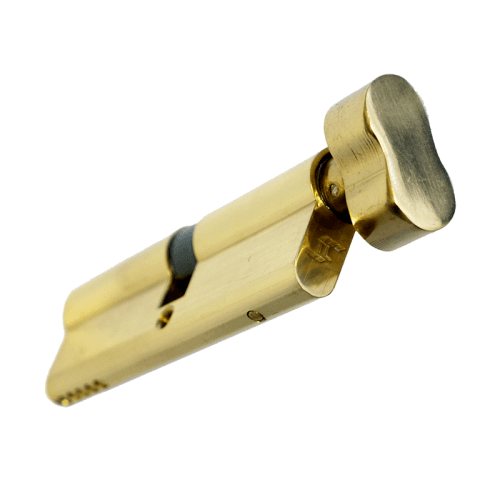
- TL Thumb Turn Euro Cylinder
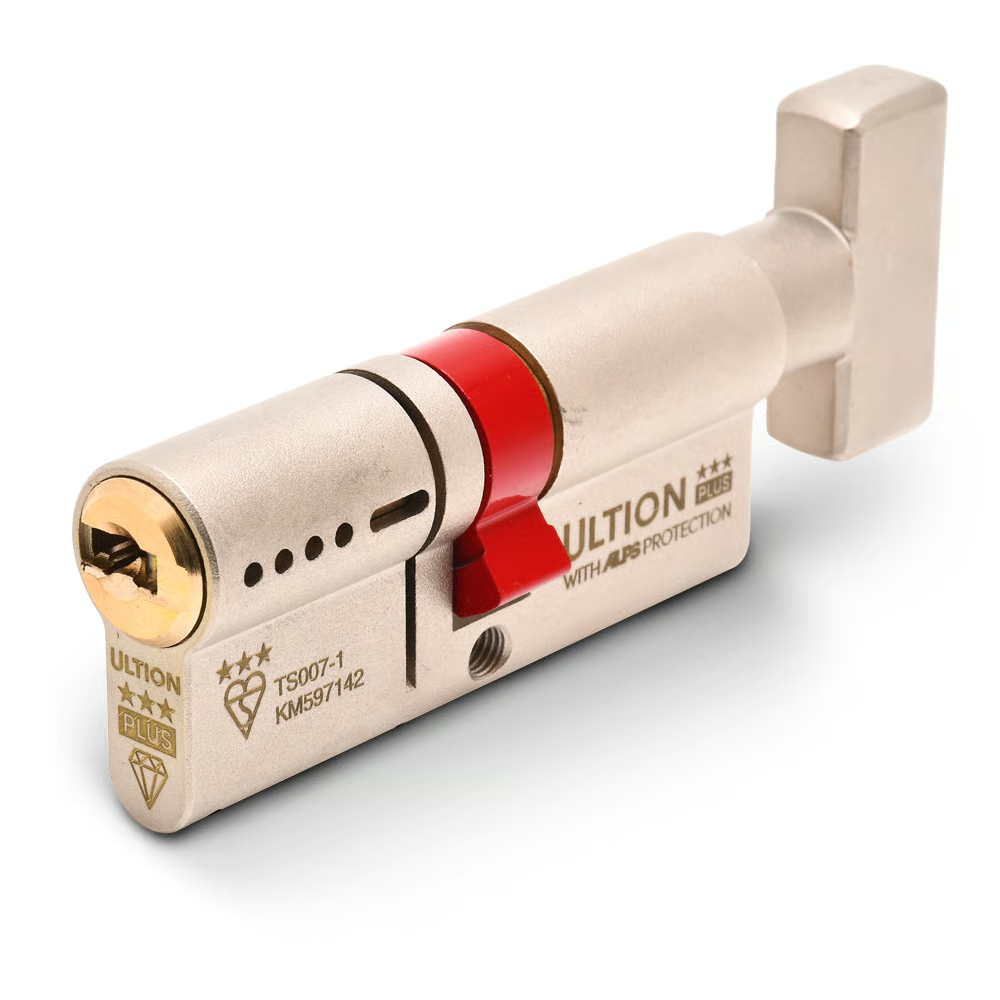
- Ultion Plus TS007 3* Kitemarked Euro Key & Turn Cylinder
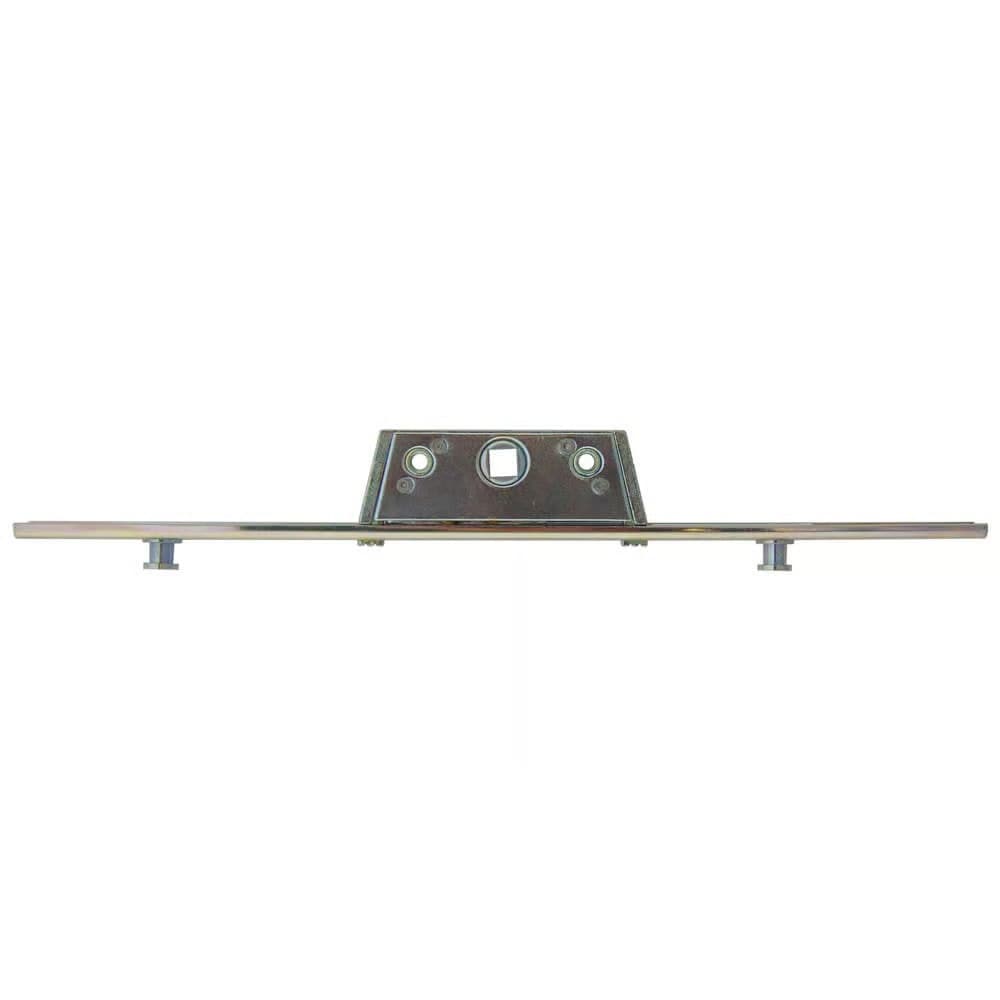
- In-Line Window Mechanism
- Offset Window Mechanism
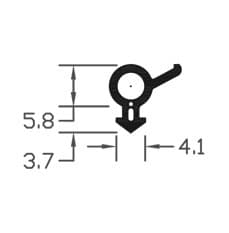
- B003 Bubble Gasket
Conclusion and next steps
Choosing the right anti snap cylinder involves balancing standards, key control, correct sizing and appropriate door furniture. Yale, Ultion and ABS are all solid options, but the key factors are TS007 rating, correct fitment and minimal protrusion. For further technical detail on euro cylinders and measuring guidance, see our pillar resource at /c/locks-security. If you are unsure about the correct size or door compatibility, contact a reputable locksmith or our trade team for on-site advice and supply options.

Related articles
What Is a Thumb Turn Cylinder? Convenience vs Security
What Is a Thumb Turn Cylinder? Convenience vs Security What is a thumb turn cylinder? A thumb turn cylinder is a type of euro-profile lock cylinder that ha...
Thumb Turn Cylinder vs Panic Bar: Exit Options Compared
Thumb Turn Cylinder vs Panic Bar: Exit Options Compared examines two very different approaches to door egress and security. The thumb turn cylinder is a co...
Thumb Turn Cylinder Sizes: Finding the Right Length
Thumb Turn Cylinder Sizes: Finding the Right Length Choosing the correct thumb turn cylinder is vital for security, smooth operation and a neat finish on d...