
Anti-Snap Cylinder Sizes: Finding the Right Length
Anti-Snap Cylinder Sizes: Finding the Right Length is essential when upgrading door security. Choosing the correct anti snap cylinder keeps your property s...
Anti-Snap Cylinder Sizes: Finding the Right Length is essential when upgrading door security. Choosing the correct anti snap cylinder keeps your property secure, ensures smooth operation with existing handles and escutcheons, and helps meet insurance and regulatory requirements. This article explains how cylinder lengths are measured, common sizes you will encounter, practical trade advice, and DIY steps to replace or upgrade a euro cylinder on uPVC, composite and timber doors.
Why cylinder length matters
The length of a euro cylinder affects both security and functionality. A cylinder that is too short will not engage properly with the lock case; one that is too long will protrude beyond the door hardware and become vulnerable to attack. With anti snap cylinder designs, correct sizing is even more critical because the sacrificial section needs to be positioned towards the outside face of the door to protect the internal mechanism.
How to measure an anti snap cylinder
Measuring a euro cylinder is straightforward; trade professionals use the same method every time. Follow these steps:
- Open the door so you can access the fixing screw in the lock face.
- Locate the centre of the fixing screw; this is the reference point or cam centre.
- Measure from the centre of the fixing screw to the outer face of the cylinder on the external side; note the measurement in millimetres.
- Measure from the centre of the fixing screw to the inner face of the cylinder on the internal side; note this measurement.
- Record the size as external/internal in millimetres; for example 35/45 means 35mm outside and 45mm inside. Total cylinder length is the sum of both measurements.
Always measure to the cylinder face, not to a handle or escutcheon. If you are replacing a cylinder with a thumbturn, measure with the thumbturn in place if it cannot be removed.
Common anti snap cylinder sizes and when to use them
There are several standard sizes used in the UK. Stocking the most common sizes will cover the majority of installations for both trade and DIY customers.
- 30/30 (60mm total): Often used for thin doors or internal applications; rare for external entrance doors.
- 35/35 (70mm total): Very common for uPVC front doors and some composite doors where handles sit evenly either side.
- 40/40 (80mm total): Used where a slightly thicker door or handle rose requires additional length.
- 45/45 (90mm total): For thicker doors or where decorative handles/projecting hardware demand extra cylinder length.
- 35/45, 40/45, 30/40 (asymmetric sizes): Chosen when one side needs more projection than the other, for example a decorative external handle or internal furniture requires more clearance.
If you are unsure, measure the existing cylinder and order the same size. For new installations, measure the door thickness and check handle and escutcheon projection before selecting a cylinder.
Features to look for in an anti snap cylinder
Not all cylinders labelled anti snap offer the same level of protection. For trade and homeowner customers, prioritise the following features:
- TS007 3-star or equivalent certification: this indicates resistance to snapping, drilling and picking; many insurers prefer or require this rating.
- Sacrificial section: a designed weaker section at the external end that shears away while protecting the central locking mechanism.
- Hardened steel inserts or collars to resist drilling and wrenching.
- Anti-bump and anti-pick features: internal pin and spring configurations reduce vulnerability to non-destructive attacks.
- Good key control: restricted key profiles or code card systems reduce the risk of unauthorised key duplication.
Practical trade tips and DIY installation guidance
For tradespeople and competent DIYers, fitting an anti snap cylinder is usually a short job, but attention to detail matters for security and durability.
- Tools required: cross-head screwdriver, tape measure, replacement cylinder and spare fixing screw if necessary.
- Removal: open the door and loosen the fixing screw part way; insert the key and turn slightly to align the cam; pull the cylinder out gently. If the cylinder is seized, use gentle levering from the key while turning to free the cam.
- Installation: insert the new anti snap cylinder with the key inserted and cam aligned; push fully home and tighten the fixing screw without over-torquing; over-tightening can bind the cylinder.
- Check operation: test the key from both sides and any thumbturn; ensure the latch and deadbolt operate smoothly with the handle in its normal position.
- Handle and escutcheon clearance: confirm that the external projection does not exceed the manufacturer or insurer recommendations; exposed cylinder beyond the protective escutcheon increases risk.
- Stocking advice for trades: keep a mix of symmetric and asymmetric cylinders in popular sizes such as 35/35, 35/45 and 40/40; carry common finishes such as polished chrome and satin nickel.
Compatibility with doors and hardware
Different door types present different challenges. uPVC doors commonly use euro cylinders with multi-point locks; composite doors may require reinforced cylinders with a robust escutcheon; timber doors sometimes need longer cylinders to account for thicker door leaves or thicker internal furniture.
Where there is a thumbturn on the internal side, consider whether a thumbturn-compatible anti snap cylinder is needed. For doors that are part of an emergency escape route, ensure that the choice of cylinder and thumbturn complies with local building and fire safety regulations.
Recommended Products
Based on this article, you may find these products helpful:
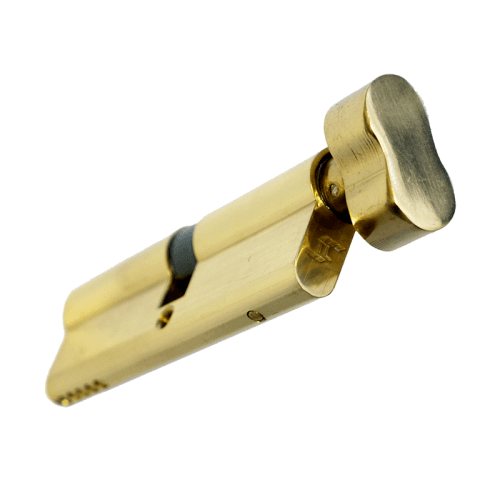
- TL Thumb Turn Euro Cylinder
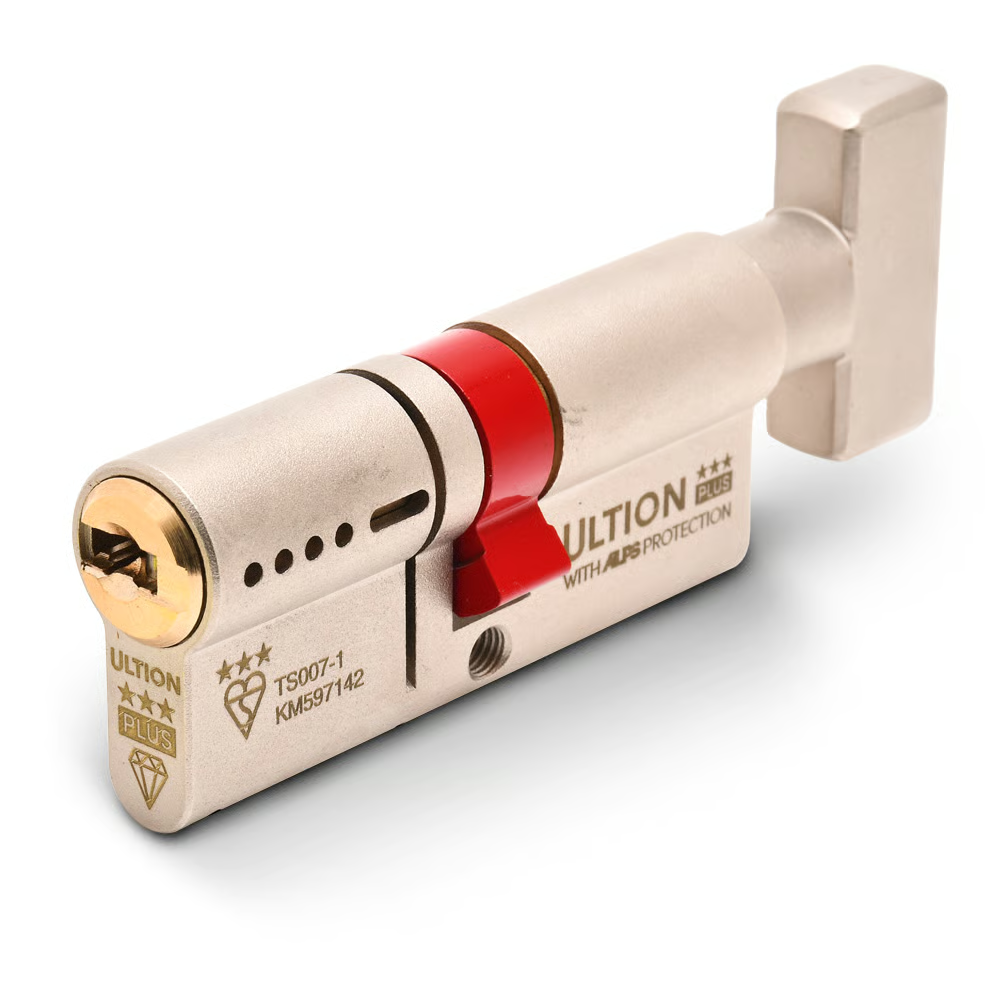
- Ultion Plus TS007 3* Kitemarked Euro Key & Turn Cylinder
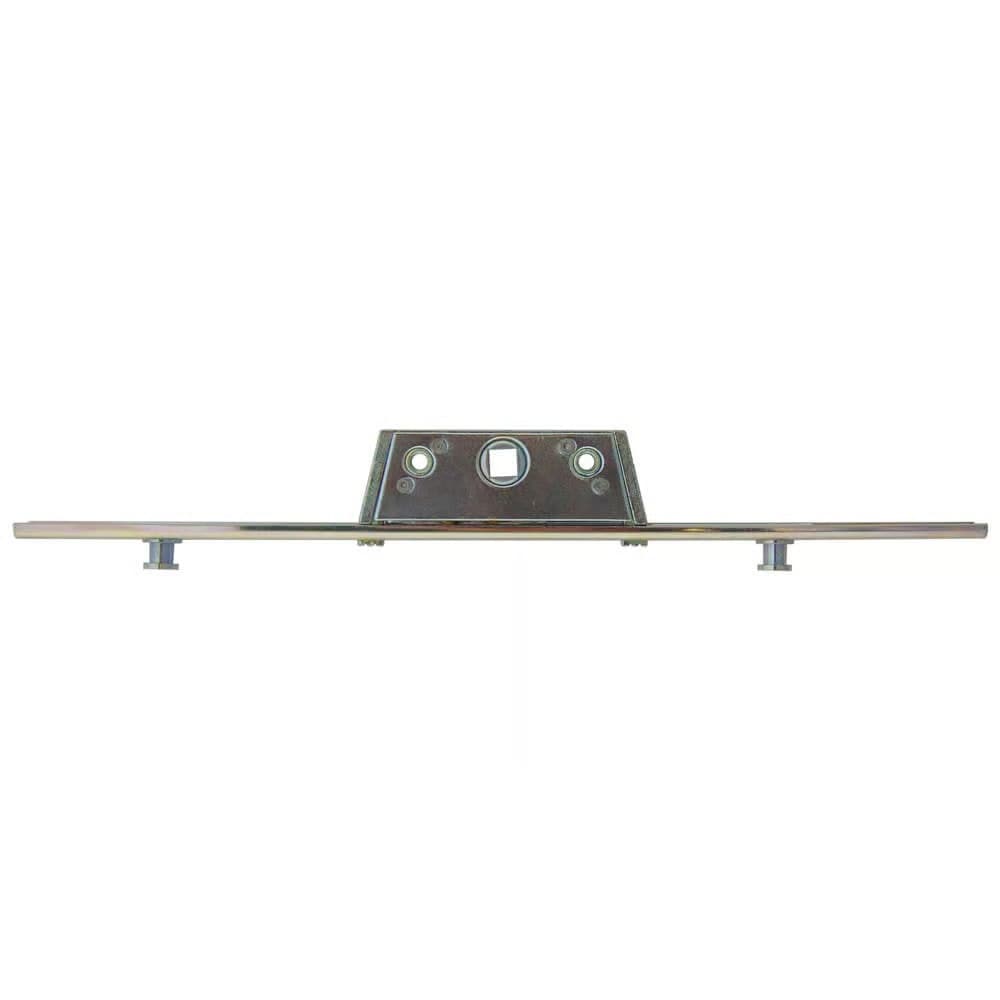
- In-Line Window Mechanism
- Offset Window Mechanism
Conclusion and next steps
Choosing the correct anti snap cylinder size is a small but vital step in securing doors. Measure from the centre of the fixing screw to each face; pick a TS007 3-star or equivalent anti snap cylinder; and check clearance with handles and escutcheons. For trades, stocking the common sizes and asymmetric variants reduces call-backs and improves first-time fit rates.
For more detailed information on euro cylinders and compatibility with different locks and doors, visit our pillar page at /c/locks-security. If you need help selecting sizes or ordering in bulk, contact Window Hardware Store for trade pricing and technical support.

Related articles
What Is a Thumb Turn Cylinder? Convenience vs Security
What Is a Thumb Turn Cylinder? Convenience vs Security What is a thumb turn cylinder? A thumb turn cylinder is a type of euro-profile lock cylinder that ha...
Thumb Turn Cylinder vs Panic Bar: Exit Options Compared
Thumb Turn Cylinder vs Panic Bar: Exit Options Compared examines two very different approaches to door egress and security. The thumb turn cylinder is a co...
Thumb Turn Cylinder Sizes: Finding the Right Length
Thumb Turn Cylinder Sizes: Finding the Right Length Choosing the correct thumb turn cylinder is vital for security, smooth operation and a neat finish on d...