
Battery Life in Microchip Cat Flaps: What to Expect and How to Extend
Battery Life in Microchip Cat Flaps: What to Expect and How to Extend Microchip cat flap owners and tradespeople regularly ask how long batteries last, wha...
Battery Life in Microchip Cat Flaps: What to Expect and How to Extend
Microchip cat flap owners and tradespeople regularly ask how long batteries last, what reduces lifespan, and which maintenance or installation choices will improve reliability. This article covers realistic expectations for battery life, common battery types, practical trade advice and do-it-yourself steps to extend service intervals while keeping installations weatherproof and secure.
How microchip cat flaps use power
Microchip cat flaps use a small radio-frequency identification (RFID) reader to detect a pet's implanted microchip; a logic board decides whether to unlock the flap; and a motor, solenoid or servo opens and closes the flap. Additional features such as LEDs, sound alerts, anti-tamper locks and status displays all add to power draw. Standby current is small, but each opening, motor operation and LED flash increases consumption. The combination of standby and active draw determines overall battery life.
Typical battery types and realistic lifespans
Manufacturers specify battery types and counts in the manual; typical options are AA or AAA alkaline, lithium primary cells, CR2 or CR123A lithium cells, or rechargeable NiMH packs. Typical lifespans vary by model and usage:
- Low-drain models with efficient electronics: 12 to 24 months in average households.
- Motorised or locking flaps with heavy use: 6 to 12 months.
- High-traffic properties or multi-cat households: 3 to 9 months, depending on entry frequency.
Lithium primary cells usually outlast alkaline equivalents and perform better in cold weather; NiMH rechargeables can be economical but have a lower voltage and higher self-discharge, so check compatibility with the flap electronics.
Factors that shorten battery life
- High traffic: every opening uses motor energy and increases average current draw.
- Motorised locks and heavy-duty motors: these consume more energy per cycle than passive flaps.
- Temperature: cold reduces battery capacity, especially for alkaline cells.
- Features: bright LEDs, audible alerts and long wake-up sequences increase standby or active draw.
- Poor installation: water ingress, corroded contacts or loose wiring increases resistance and parasitic drains.
Trade and DIY advice to extend battery life
Useful measures for installers and homeowners can add months to battery life and improve reliability:
- Fit the most suitable cell type: use high-quality lithium primary cells for cold locations or heavy use; use brand name alkalines if lithium is not specified.
- Position the flap to reduce unnecessary cycles: avoid installing where wildlife or drafts trigger repeated openings.
- Insulate cavity-mounted battery compartments: for door hollow cores, place the battery pack inside the cavity but secure it to prevent rattling and damp; use a sealed access panel and cable grommet.
- Use firmware power-saving modes where available: some trade models allow adjustment of LED intensity, sleep intervals and wake thresholds to cut consumption.
- Fit a low-battery indicator visible to the client; program audible warnings so the user replaces batteries before failure.
- For very high use properties, provide an optional external battery compartment or mains-fed low-voltage supply using a suitable adaptor; ensure the adapter is regulated and matches device voltage.
Step-by-step battery replacement: a DIY checklist
Most battery changes are straightforward; follow these steps and observe safety and warranty notices:
- Check the manual for battery type, count and orientation before starting.
- Tools: small screwdriver (Torx or Phillips as required), multimeter, isopropyl alcohol, soft cloth and fine abrasive pad if contacts are corroded.
- Open the flap unit or battery compartment; note how the unit sits in the door or wall so you can reseal correctly.
- Measure the old battery voltage with a multimeter; a partially charged rechargeable or a weak primary may read low under load.
- Remove old batteries, inspect contacts for corrosion; clean with isopropyl alcohol and a fine abrasive if needed; dry thoroughly.
- Insert new batteries matching polarity; use fresh branded cells to ensure consistent voltage and capacity.
- Reassemble, perform a function test: present the cat's microchip or scan tag to confirm correct recognition and motor operation.
- If the flap has learn or programming mode, re-run the learn procedure only if the unit instructs you to do so; many units retain learned chips through battery changes but some may not.
Hardwiring, external power and safety notes
Some commercial and aftermarket solutions provide mains-powered adaptors or external battery packs. If a hardwired option is available, check that the adaptor provides the correct constant DC voltage and sufficient current for motor startup. For safety and compliance with UK electrical rules: use a low-voltage, double-insulated adaptor; if converting to mains supply through a permanent connection, have a qualified electrician carry out the work and ensure the power supply is fused appropriately.
Maintenance, troubleshooting and disposal
- Schedule a six-month service visit for high-use sites: check contacts, seals, cable grommets and battery compartment integrity; top up with new batteries as preventative maintenance.
- If the flap is slow to open or fails intermittently, test batteries under load; weak cells can still show acceptable open-circuit voltage but collapse under motor load.
- Clean contacts and apply a very small amount of dielectric grease to prevent corrosion when refitting batteries in moist locations; avoid getting grease on electronic boards.
- Dispose of old batteries responsibly: take used batteries to local household recycling points or take-back schemes in shops in accordance with UK battery regulations; never place batteries in general waste.
Recommended Products
Based on this article, you may find these products helpful:
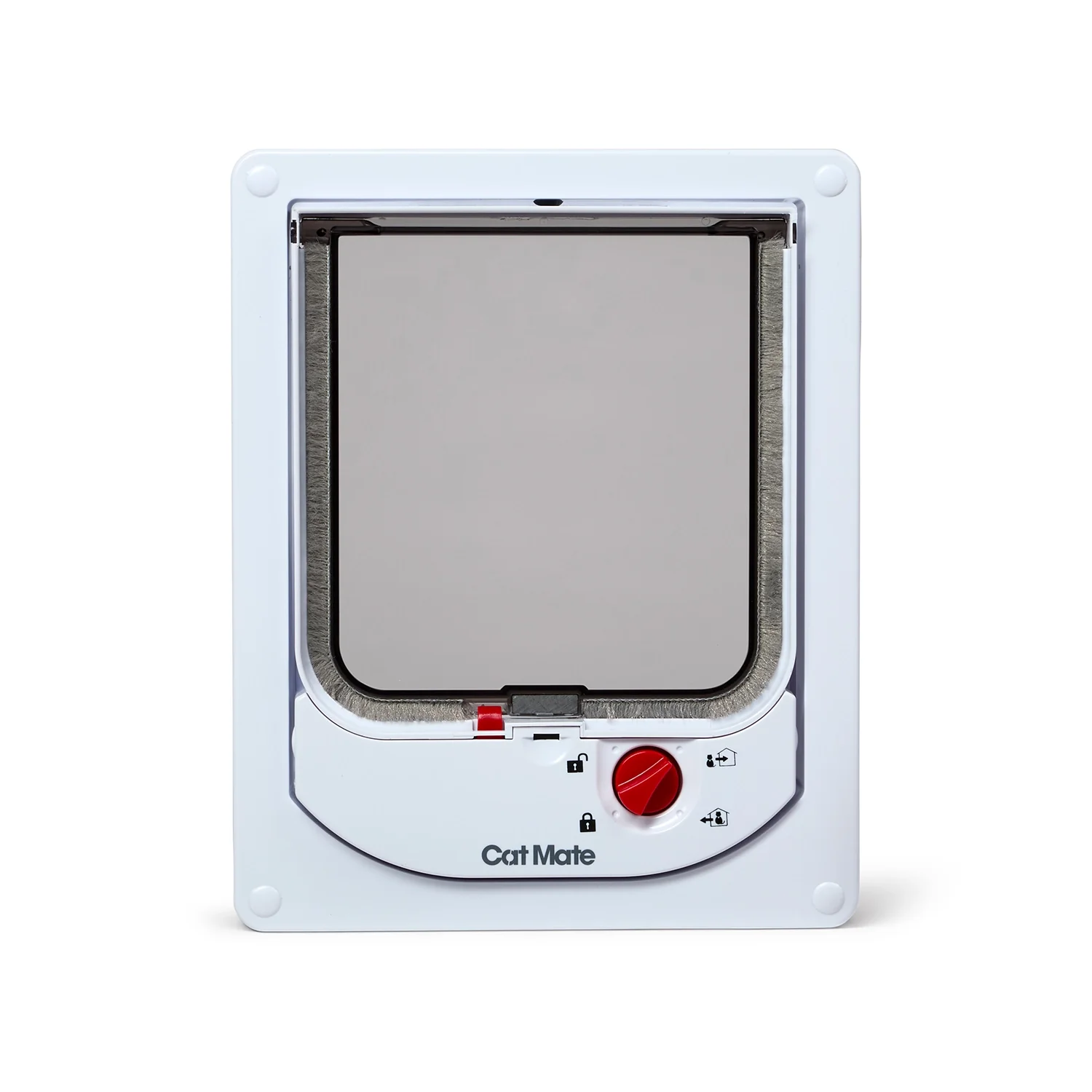
- Cat Mate Electromagnetic Cat Flap
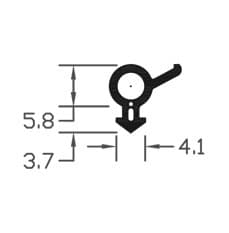
- B003 Bubble Gasket
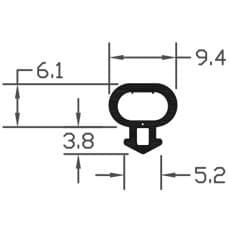
- B004 Bubble Gasket
- E-Type Gasket - Black 5m Roll
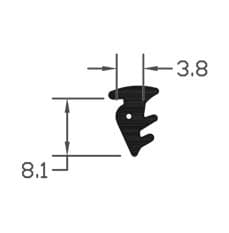
- SYS2 Wedge Gasket
Conclusion and next steps
Expect microchip cat flap battery life to vary from a few months to two years depending on model, power source and household usage. Use quality cells, protect battery compartments from moisture and cold, and consider external or mains options for very high-use situations. Tradespeople should advise clients on the best battery type for their location and offer optional installation upgrades such as cavity-mounted battery boxes or mains adaptors.
For product choices, installation details and model comparisons visit our pet flap resource page: /guides/pet-flaps. If you need technical support with a specific model, contact our trade desk or consult the manufacturer’s technical sheet before modifying power supplies.
Products mentioned in this article
Related articles
Rented Property Cat Flap Options: What Landlords Need to Know
Rented Property Cat Flap Options: What Landlords Need to Know Installing a cat flap in a rented property can improve tenant satisfaction but it raises ques...
Replacing uPVC Door Panels with Cat Flap Panels: A Cleaner Solution
Replacing a uPVC door panel with a purpose-made cat flap panel is a practical way to give pets easier access while keeping the rest of the door intact. Whe...
Dog Flap Insulation: Preventing Heat Loss Through Larger Pet Doors
Dog Flap Insulation: Preventing Heat Loss Through Larger Pet Doors Large dog flaps are convenient for owners and pets, but they create a significant therma...