Best Butt Hinges for Internal and External Doors
Choosing the right butt hinge can make the difference between a door that functions smoothly for years and one that sags, squeaks or corrodes. Whether you ...
Choosing the right butt hinge can make the difference between a door that functions smoothly for years and one that sags, squeaks or corrodes. Whether you are a trade professional fitting multiple doors or a homeowner carrying out a weekend replacement, the correct hinge type, material and installation technique matter. This post outlines the best butt hinges for internal and external doors, practical trade advice and DIY guidance to ensure reliable performance.
Types of butt hinge and where to use them
Butt hinges are a traditional, concealed hinge that sit in mortices cut into the door and frame; they are available in several configurations suited to different applications:
- Plain butt hinge: a simple two-leaf hinge; suitable for light internal doors and cupboard doors.
- Ball-bearing butt hinge: includes ball bearings in the knuckle to reduce friction; recommended for heavy or frequently used doors.
- Security butt hinge: fitted with non-removable pins or studs to prevent pin removal from the outside; essential for external doors and entrance doors.
- Fire-rated butt hinge: manufactured and tested for use on certified fire doors; always check third-party certification and compatibility with the door assembly.
- Lift-off butt hinge: allows the door to be removed without unscrewing; useful for temporary doors or maintenance access.
Material choices: durability and environment
Material selection affects longevity, appearance and corrosion resistance. Common options:
- Stainless steel: the best all-round choice for external doors; grade 304 is suitable for most situations, while grade 316 is preferred in coastal or high-saline environments.
- Brass: popular for period properties and internal doors; offers an attractive finish but is softer than steel and may wear faster under heavy use.
- Steel with plated finishes: cost-effective for internal doors; choose high-quality finishes such as satin chrome or polished nickel for longevity.
- Powder-coated or polyester-coated finishes: used when durability and a specific colour are required; check UV and scratch resistance for external use.
Selecting size and number of hinges
Hinge size and quantity depend on door height, width and weight. Typical UK practice:
- Internal doors: most standard internal doors use three butt hinges to prevent sagging and maintain alignment; two hinges may be acceptable for very light doors or cupboards.
- External doors: use three heavy-duty hinges as a minimum; consider four hinges for very tall or heavy doors, or for doors with additional hardware such as large locks or letterplates.
- Common sizes: 75mm, 89mm and 102mm are widely used; larger doors often require 127mm hinges. Choose a hinge leaf width that gives adequate bearing surface without excessive morticing.
- Check load ratings: manufacturers often quote a maximum door weight per hinge; use these to calculate how many hinges are required for your door.
Security and fire safety considerations
External and fire doors require specific hardware. For external doors choose butt hinges with non-removable pins or security studs; fitted with long screws into the frame to resist lever attacks. For coastal properties specify 316 stainless steel and check that the hinge finish and fasteners are corrosion resistant.
Fire doors must be fitted with hinges that are certified to the relevant standards: look for compliance with BS EN 1935 for single-axis hinges and evidence of third-party fire testing to BS EN 1634 or BS 476 where required. Use only hinges listed in the door manufacturer’s fire door installation instructions to avoid invalidating the certification.
Practical installation tips for tradespeople and DIYers
Correct installation prevents binding and extends hinge life. Key points:
- Preparation: check the door and frame are square and true; pack or plane the door where necessary to achieve the required reveal and clearance.
- Marking: measure and mark hinge positions consistently; common layout is top hinge 150mm from top, bottom hinge 170mm from the bottom and the centre hinge equidistant between. Adjust positions where lock or bolt positions require it.
- Morticing: use a sharp chisel or a router with a template for neat, consistent recesses. Set the depth to match the leaf thickness so the faces sit flush with door and frame.
- Pilot holes and screws: always drill pilot holes to prevent timber splitting; countersink when using recessed screw heads. For external or heavy doors use longer screws to ensure at least 35mm to 45mm penetration into the frame backing; for ultimate security fit one long security screw into the frame at the top and bottom hinge that reaches the structural stud.
- Alignment: fit the top and bottom hinges first, then hang the door and check for binding before fitting the remaining hinge(s). Shim if necessary to prevent the door from binding at the head or jamb.
- Lubrication: apply a light machine oil or silicone spray to ball-bearing hinges during commissioning to ensure smooth operation; avoid heavy greases that attract dust.
Maintenance and troubleshooting
Regular checks will keep doors performing well. Simple maintenance tasks include:
- Periodic re-tightening of screws; timber can shrink, so check after seasonal changes.
- Lubrication of moving parts; a small drop of oil every 6 to 12 months will prevent squeaks.
- Replace corroded hinges promptly; a corroded hinge accelerates wear on the door and frame.
- If a door sags: check screw lengths and tightness; consider replacing top screws with longer ones that reach the structural framing, or add an additional hinge if the door is heavy.
Finish and style considerations
For visible fittings, choose a finish that complements other hardware: polished brass for period interiors, satin chrome for contemporary schemes. For external entrances, opt for finishes that conceal fingerprints and weathering; stainless steel remains the most practical choice.
Further resources and standards
For more detailed information on hinge selection and related door hardware, consult the comprehensive door hinges guide and the manufacturers’ technical data sheets. When specifying for projects with safety or security requirements, always refer to relevant British and European standards and to the door manufacturer’s recommendations.
Recommended Products
Based on this article, you may find these products helpful:
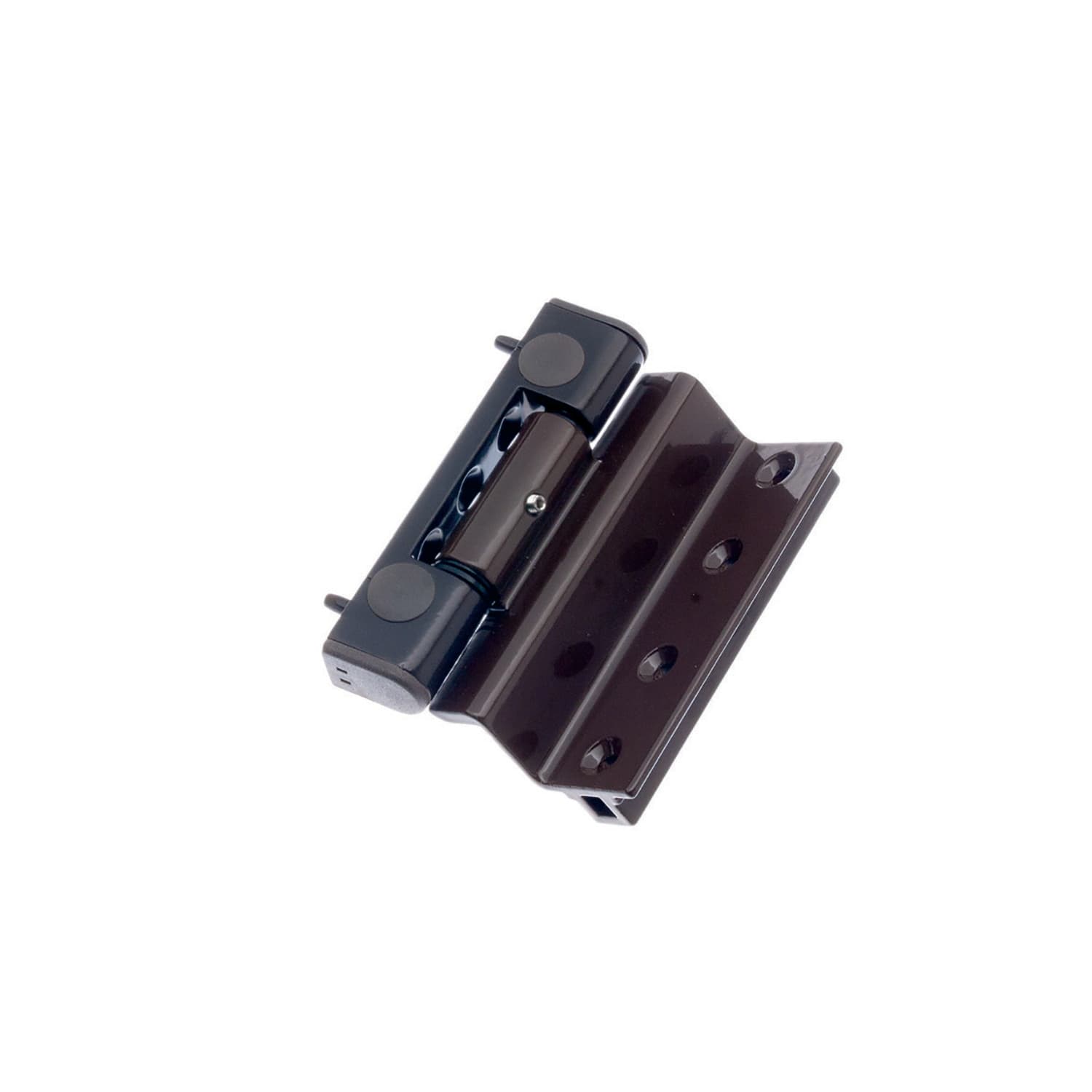
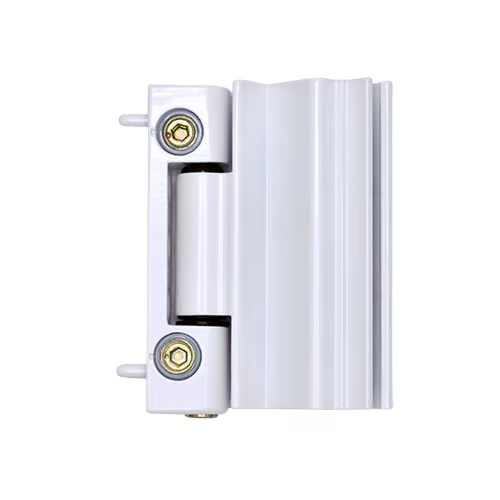
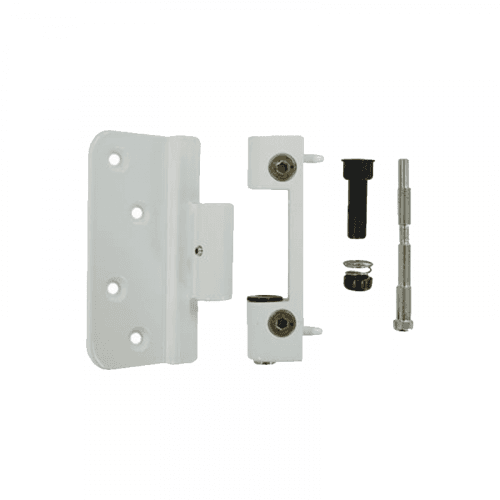
- Flag Door Hinge - Stainless Steel
- Adjustable Flag Hinge - 100mm
- ERA Challenger 3D Rebated Hinge
- Challenger Door Hinge
- UAP Adjustable Hinge for Composite Doors
Conclusion and next steps
Choosing the right butt hinge comes down to matching hinge type, material and size to the door’s weight, frequency of use and exposure to the elements: ball-bearing and stainless hinges for heavy or external doors; security hinges for entrance doors; certified hinges for fire doors. For tradespeople, focus on correct morticing, screw length and alignment. For DIYers, take time over marking, pilot drilling and lubrication to avoid common problems.
Next steps: assess the door weight and environment, choose a hinge type and material from the options above, and follow the installation tips to ensure long-term performance. If you are unsure about fire certification or security requirements, contact a specialist or consult the technical data in our door hinges guide.