
Best Dog Flaps for Nervous Dogs: Features That Build Confidence
Best Dog Flaps for Nervous Dogs: Features That Build Confidence Choosing the right dog flap for a nervous dog requires more than matching size and finish: ...
Best Dog Flaps for Nervous Dogs: Features That Build Confidence
Choosing the right dog flap for a nervous dog requires more than matching size and finish: it is about minimising noise, reducing visual clutter, and providing progressive access that the animal can learn to trust. This post outlines the features that help anxious dogs adapt, offers practical trade advice for installers, and gives DIY guidance for homeowners in the UK.
Why nervous dogs need a specialised dog flap
Nervous dogs react to sudden movement, unfamiliar sounds, and obstructive shapes. A standard heavy or noisy flap can create a negative experience that reinforces anxiety. The correct dog flap reduces sensory stressors: it should be quiet, easy to push, visually non-threatening, and installed in a way that avoids drafts and sharp edges. For tradespeople, understanding breed behaviour and site-specific factors will deliver better results and fewer call-backs.
Key features that build confidence
- Low operating force: Look for lightweight panels and smooth pivot points so the dog can push through with minimal effort; hydraulic or soft-close mechanisms are useful for larger flaps where weight would otherwise be a problem.
- Transparent or translucent panels: Clear panels reduce the perception of a barrier. Polycarbonate panels avoid reflections and are more resilient than acrylic or thin PVC; they also minimise shadowing that can alarm sensitive animals.
- Quiet seals and hinges: Rubber or brush seals that dampen contact and hinges with nylon bushes reduce the clack that can frighten dogs. Avoid metal-on-metal contact; specify corrosion-resistant bearings for external doors to maintain smooth operation.
- Adjustable opening size: Flaps with interchangeable panels or trim kits allow the opening to be gradually increased as the dog's confidence grows. This is useful for puppies or dogs returning from injury.
- Gradual training modes: Electronic flaps with simple lock/unlock and one-way modes allow an installer or owner to keep the flap open during training, then switch to free access once confident. Microchip or RFID systems provide security without forcing behaviour changes; start with unrestricted operation for nervous dogs.
- Low threshold and ramp options: A low step into the flap, or a shallow ramp, reduces the perceived drop and makes entry less intimidating. Thresholds should be non-slip and chamfered to avoid catching paws.
- Weatherproofing and insulation: Proper seals, brush strips, and insulated tunnel kits reduce draught and noise. Nervous dogs are less likely to use a flap that lets cold wind or rain through.
Types of dog flaps and suitability for nervous dogs
- Through-door flaps: Common in UPVC and composite doors; choose models with soft-close or counterbalanced panels. For composite doors ensure reinforcement behind the panel to maintain door integrity.
- Glass-frame flaps for double glazing: Replace a sealed unit with a pet-flap-ready unit; specify the correct IGU thickness (often 24mm or 28mm in UK homes) and a thermally broken frame. Trade professionals should source pre-glazed units to avoid on-site cutting of sealed glass.
- Tunnel and wall flaps: Good for thicker walls or when door installation is impractical. Use insulated tunnel kits and internal plasterboard trims to create a calm, sheltered pass-through rather than a stark hole.
- Electronic/microchip flaps: Provide security and selective access; however for nervous dogs start with the flap set to always open during training. Electronic models are beneficial where multiple animals or outdoor cats are present; check battery life and signal range.
Practical trade advice for installers
- Always measure the pet before ordering: height at withers and chest width; allow clearance for shoulders and grooming coats. Overly tight fits will deter use.
- For UPVC doors use manufacturer-approved retrofit kits and follow door repair standards to avoid voiding warranties. Back up cut-outs with reinforcing plates where required.
- When replacing a double-glazed unit, order a factory-cut IGU with the flap fitted; on-site glass cutting risks seal failure. Confirm spacer bar depth and overall thickness with the glazing supplier.
- Fit brush seals and draught excluders; use neutral cure silicone for external sealing to avoid staining or corrosion of adjacent materials.
- Consider sightlines and lighting: position the flap where natural light reduces heavy shadows. If the external area is dark, recommend a small canopy or external light to make the exit more inviting for the dog.
- Provide customers with a clear training handout and recommend leaving the flap unlocked for an extended familiarisation period.
DIY guidance for homeowners
- Choose the right location: quiet corner of a door or an internal lobby reduces traffic and sudden movements that might scare the dog.
- Start with temporary measures: prop the flap open or use a removable tunnel insert so the dog can see through without pushing; this builds familiarity before the full install.
- Use basic tools safely: for timber doors a jigsaw and template will work; for UPVC and composite doors seek a specialist kit and follow the manufacturer template exactly. Avoid cutting structural or load-bearing components.
- For glass installations, do not attempt to cut IGUs yourself. Order a replacement sealed unit with the pet flap installed by a glazing specialist to preserve thermal performance and warranty.
- Check the electrical requirements for electronic flaps: battery-operated models are easiest to retrofit; hard-wired units should be installed by a qualified electrician if mains power is required.
Training tips to encourage confident use
- Begin with the flap fully open and at floor level if possible; lure the dog with treats to go through calmly and reward each attempt.
- Progress to partially closed and then the normal position; never force the dog through the flap.
- Keep sessions short and positive; consistent repetition is more effective than long sessions.
- If using a microchip or tag-activated flap, start in unrestricted mode and switch on selective access only once the dog is routinely using the opening.
Choosing the right dog flap and installing it correctly can make a measurable difference to a nervous dog's confidence and independence. For trade professionals and homeowners looking for detailed product options and installation guides see our pillar page: /guides/pet-flaps.
Recommended Products
Based on this article, you may find these products helpful:
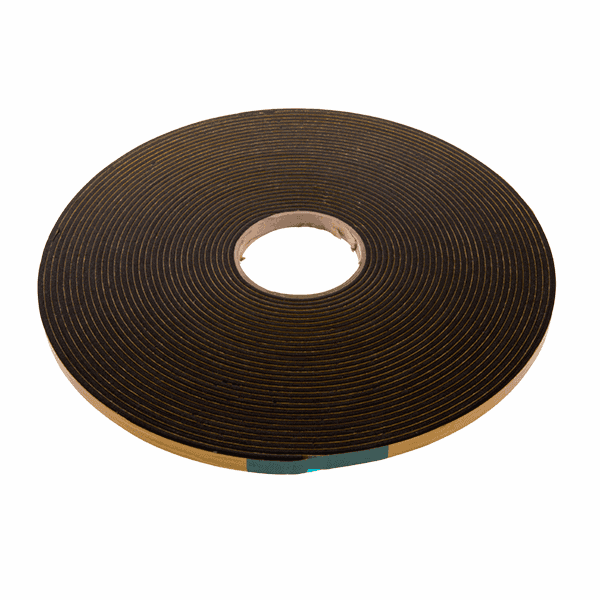
- Structural Glazing Tape - 20mm
- Security Glazing Tape
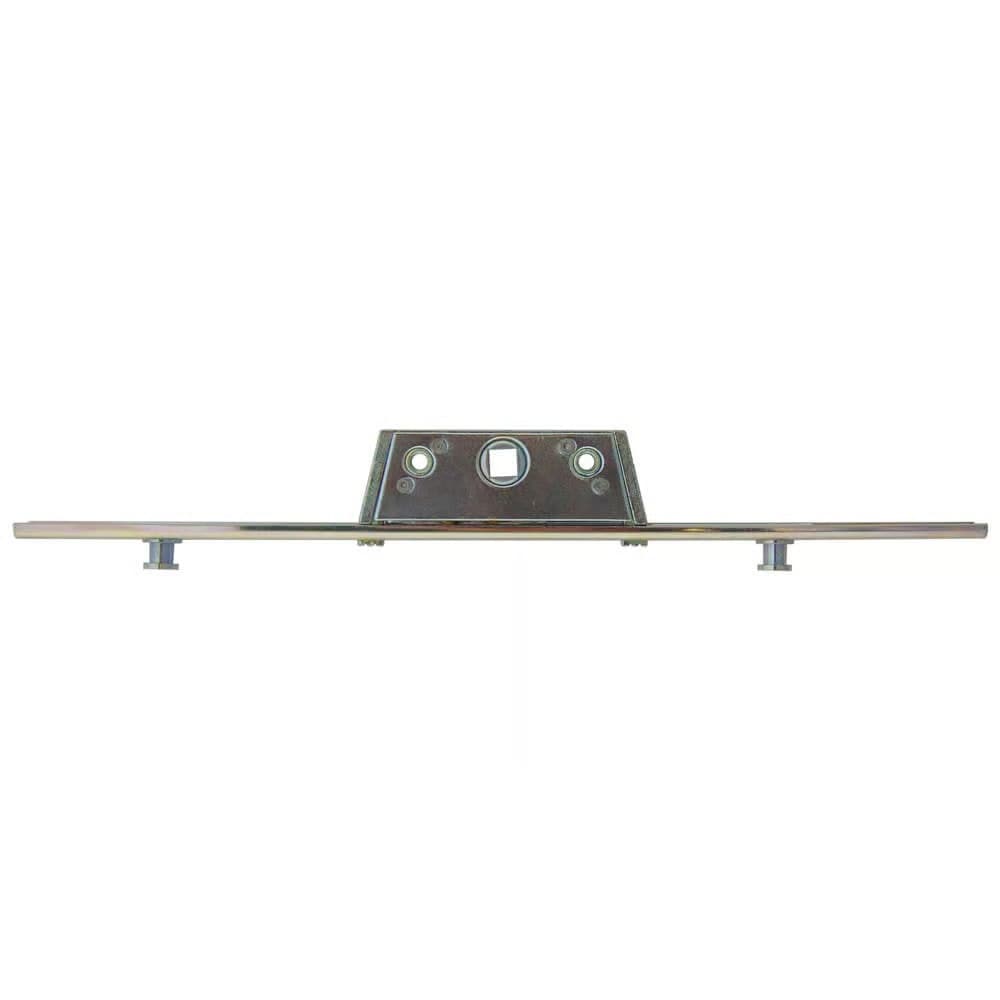
- In-Line Window Mechanism
- Offset Window Mechanism
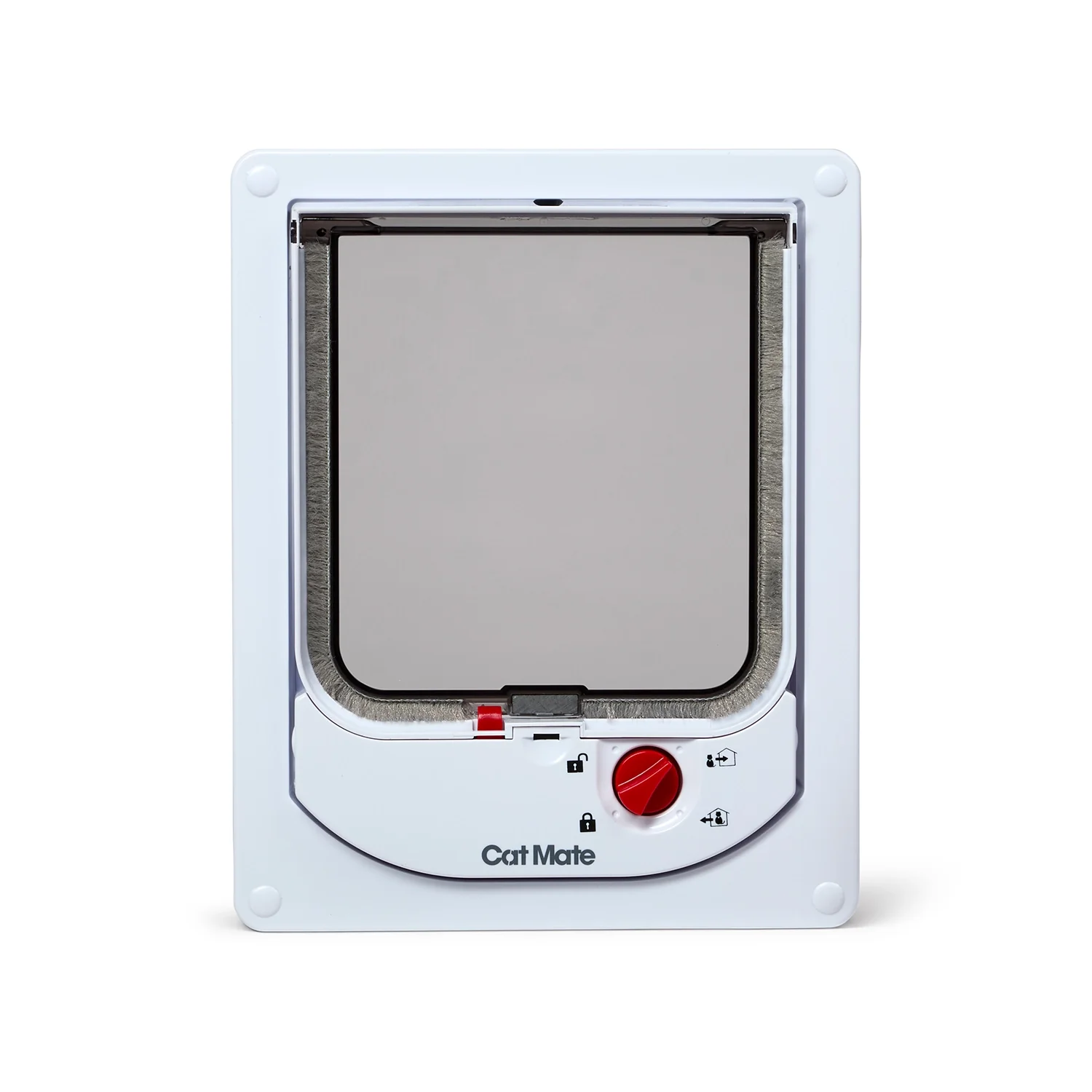
- Cat Mate Electromagnetic Cat Flap
Conclusion and next steps
Focus on reducing noise, lowering effort, and providing visual reassurance when selecting a dog flap for a nervous dog. Tradespeople should follow manufacturer templates, reinforce cut-outs where necessary, and prioritise insulation and sealing. Homeowners can prepare their pet with incremental exposure and use simple DIY aids while arranging professional glass or door work. To proceed: review your pet's measurements, choose a model with the features listed above, and contact a supplier or installer for a site survey and quote.

Related articles
Rented Property Cat Flap Options: What Landlords Need to Know
Rented Property Cat Flap Options: What Landlords Need to Know Installing a cat flap in a rented property can improve tenant satisfaction but it raises ques...
Replacing uPVC Door Panels with Cat Flap Panels: A Cleaner Solution
Replacing a uPVC door panel with a purpose-made cat flap panel is a practical way to give pets easier access while keeping the rest of the door intact. Whe...
Dog Flap Insulation: Preventing Heat Loss Through Larger Pet Doors
Dog Flap Insulation: Preventing Heat Loss Through Larger Pet Doors Large dog flaps are convenient for owners and pets, but they create a significant therma...