
Best Letter Boxes for External Doors: Security and Style
Best Letter Boxes for External Doors: Security and Style A well chosen letter box is more than a decorative feature; it affects security, thermal performan...
Best Letter Boxes for External Doors: Security and Style
A well chosen letter box is more than a decorative feature; it affects security, thermal performance and weather protection for an external door. This post covers the most important considerations for UK homeowners and trade professionals when selecting and fitting a letter box that balances security and style. Practical trade advice and DIY guidance are included to help you choose the right product and install it correctly.
Key considerations before you buy
Before selecting a letter box, check these factors on site: door material and thickness; position of existing glazing, locks and multipoint hardware; fire-door status; and whether you need to accept A4 or C4 mail without folding. Also verify any requirements from insurers or local building regulations.
- Mail size: to accept C4 Postal Flats without folding, choose an aperture at least 325mm wide; if you only need to accept A4, smaller widths are possible.
- Door type: timber, composite, metal and uPVC each need different fixing methods and back-box solutions.
- Fire doors: many fire doors require purpose-made, fire-rated letterplates and intumescent seals; check certification before cutting.
- Security standards: consider products tested to PAS 24 or carrying Secured by Design endorsement where required.
Types of letter boxes
There are several common styles, each suited to different doors and security needs:
- Traditional letter plates: simple flap and frame fitted through the door; economical and straightforward for timber doors where interior access is easy.
- Back-box letter plates: include a rear box to collect mail inside the door; recommended for uPVC and composite doors to prevent drafts and fishing.
- Surface-mounted mailboxes: external post-mounted or wall-mounted boxes; ideal where security and weatherproofing are priorities or where you wish to avoid cutting the door.
- Through-the-wall and wall-mounted letterboxes: for properties with perimeter walls or communal mailroom setups.
Security features to prioritise
Letter boxes are a common vulnerability if they allow access to locks or enable "fishing" for keys. Choose features that reduce risk:
- Anti-fishing plates and internal restrictors: blocks access beyond the inner flap and prevents reaching through to door hardware.
- Internal mail cages or mesh baskets: collect mail away from the inner flap and provide an additional barrier.
- Security interlocks and restrictor plates: allow mail to pass but prevent insertion of tools or arms.
- Choose products tested for security: look for PAS 24 or Secured by Design where applicable for new-build or contract work.
Materials, finish and weatherproofing
Material choice affects durability, corrosion resistance and maintenance. Common materials include brass, stainless steel, anodised aluminium and powder-coated steel:
- Brass: classic appearance; choose lacquered finishes for reduced maintenance or unlacquered if a natural patina is acceptable.
- Stainless steel: durable and low maintenance; good for coastal locations due to corrosion resistance.
- Aluminium: lightweight and can be powder-coated to match door colour; ensure marine-grade finish for exposed sites.
- Plastic components: often used for internal boxes and seals; check UV stability for external exposure.
Weatherproofing: choose letterplates with integrated draught seals, neoprene or brush strips, and insulated back-boxes to reduce heat loss. Use silicone sealant around the outer trim when fitting to prevent water ingress; avoid over-tightening screws which can distort the trim and compromise the seal.
Installation: trade tips and DIY steps
Correct installation is crucial for security, draughtproofing and appearance. The following guidance covers both trade professionals and competent DIYers.
- Survey and mark: confirm position, ensure no internal cables or lock rods will be severed, and check for glazing near the proposed cut.
- Use manufacturer templates: most quality letter plates include a paper or plastic template for the cut-out; follow it to the millimetre.
- Door preparation: for timber doors use a jigsaw or router with a guide; for composite doors use the back-box to support the cut and follow the manufacturer’s reinforcement advice; for metal doors drill pilot holes and use appropriate cutters or a hole saw kit and deburr carefully.
- Fitting back-boxes: ensure back-box depth matches door thickness; for uPVC and composite doors use the supplied fixings and foam or mastic to seal the gap between box and door core; recessed back-boxes give a neater finish.
- Screw selection: use stainless steel or coated screws long enough to secure the trim without penetrating internal linings; for metal doors use self-tapping screws or rivets as specified.
- Sealing and insulation: apply neutral cure silicone externally and compressible foam or thermal filler internally around the back-box to avoid cold bridging.
Tradespeople should follow BS EN and manufacturer installation instructions; certifying work on fire doors or security-rated doors requires adherence to relevant standards and paperwork.
Maintenance and longevity
Regular checks keep a letter box performing well:
- Inspect seals and brush strips annually and replace if worn.
- Clean metal finishes with manufacturer-recommended products; avoid abrasive cleaners on plated finishes.
- Lubricate hinge pins and flaps with silicone spray; do not use heavy oils that attract dust.
- Check fixings and re-seal any gaps where water ingress is visible.
Choosing a letter box for different door types
Match the product to the door construction:
- uPVC doors: use a dedicated back-box system supplied for the profile to maintain weather and security performance.
- Composite doors: choose reinforced back-boxes and follow the manufacturer’s warranty conditions; many composite door manufacturers sell matched letterplates.
- Timber doors: easier to cut and fit; consider a solid timber reinforcement if the door is thin or hollow.
- Metal doors: use rated fittings and ensure cut edges are treated to prevent corrosion.
Recommended Products
Based on this article, you may find these products helpful:
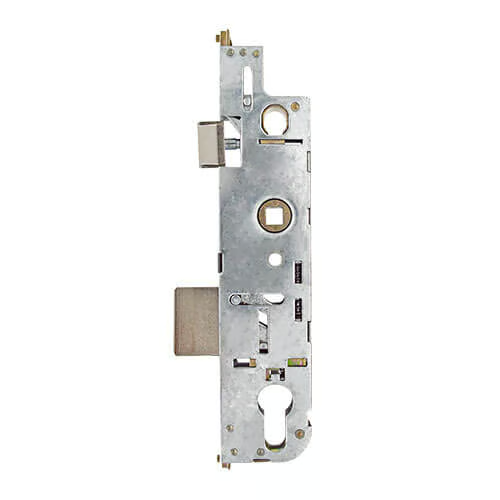
- Multipoint Gearbox GU Old Style
- E-Type Gasket - Black 5m Roll
- E-Type Gasket - Black (Per Metre)
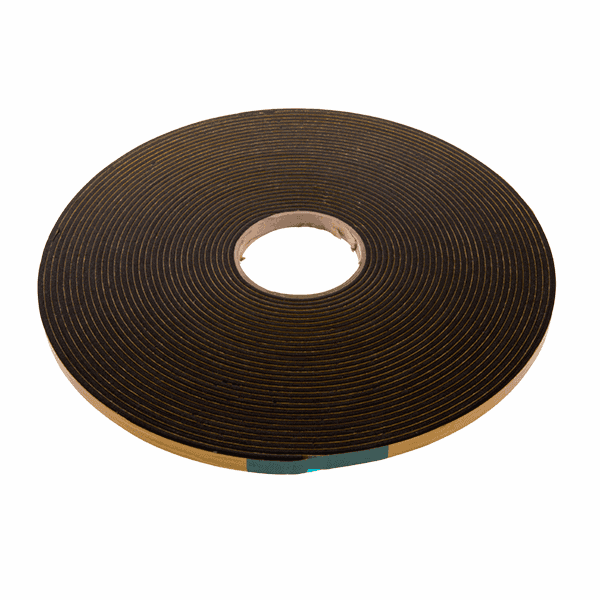
- Structural Glazing Tape - 20mm
- Security Glazing Tape
Conclusion and next steps
Selecting the right letter box involves balancing security, weatherproofing and aesthetic preference. For best results choose a product with anti-fishing features, an adequate back-box and appropriate finish for the location. If you are fitting to a fire door or a security-rated door consult the door manufacturer and use certified components.
Next steps: review product specifications and templates before ordering; for professional installations follow manufacturer instructions and any relevant British Standards; see our wider resource hub at /guides/letterboxes for detailed product comparisons and templates. Contact Window Hardware Store for technical help or trade pricing if you need bespoke options or bulk supply.
Products mentioned in this article
Related articles
Internal vs External Letterbox Draught Excluders: Which Works Better?
Internal vs External Letterbox Draught Excluders: Which Works Better? A letterbox is a small opening that can let in a disproportionate amount of cold air,...
How to Retrofit an Anti Arson Letterbox to an Existing Door
How to Retrofit an Anti Arson Letterbox to an Existing Door What is an anti arson letterbox and why retrofit one? An anti arson letterbox is a specialist l...
Letterbox Draught Excluder for Security: Added Protection
Letterbox Draught Excluder for Security: Added Protection A well-chosen letterbox draught excluder reduces heat loss and noise while contributing to a stro...