Butt Hinge Problems: Squeaking, Sticking and Sagging
Butt Hinge Problems: Squeaking, Sticking and Sagging Butt hinges are the most common hinge for internal doors, external doors and many casement windows in ...
Butt Hinge Problems: Squeaking, Sticking and Sagging
Butt hinges are the most common hinge for internal doors, external doors and many casement windows in the UK. They are reliable and simple, but problems such as squeaking, sticking and sagging are frequent for both homeowners and trade professionals. This article explains why these faults occur, how to diagnose the cause and practical repair methods you can use on site or at home.
Common causes of squeaking
Squeaking usually comes from metal-to-metal contact, corrosion, dirt build-up or inadequate lubrication. Typical scenarios include painted-over hinge pins, hinges that have never been greased and ball-bearing hinges with worn lubricant. External hinges exposed to weather can rust and start to creak.
- Paint sealed around the pin prevents normal movement.
- Dust and grime mixed with oil form an abrasive paste.
- Corrosion on pin or knuckles creates rough movement.
- Cheap hinges without bearings for heavy doors wear faster.
How to fix squeaking: step-by-step
For a durable repair follow these steps; trade professionals can adapt the method for speed on site.
- Free the pin: if painted over, cut the paint seal with a sharp blade. Tap the pin up from the bottom using a punch and a hammer; use penetrating oil first on corroded pins.
- Clean: remove rust and old lubricant with a wire brush and solvent; for internal parts use white spirits, for heavier corrosion use a mild acidic remover followed by rinsing and drying.
- Lubricate: use a good quality lithium grease or a PTFE silicone spray. For external hinges choose a marine-grade grease or weatherproof lubricant to resist wash-off; avoid heavy oils that attract dust in dusty environments.
- Reinsert the pin: coat the pin before insertion; tap it back home gently. Test the door several times to distribute the lubricant.
If the hinge is a ball-bearing type: dismantle only if you are confident, or replace the hinge; ball-bearings require grease packed into the race to be effective.
Why do doors stick and how to stop it
Sticking doors are usually caused by changes in humidity, swollen or warped timber, poorly cut mortices or misaligned frames. Seasonal swelling is common with softwood doors and older frames; narrow gaps around the door reveal this problem.
- Check clearances: a standard gap around the door is 2 to 4 mm at the vertical edges and 3 to 8 mm at the top depending on floor finishes.
- Inspect the frame and door edges for paint build-up at contact points; remove paint and retouch where needed.
- Examine hinge positioning: a hinge sitting proud because the mortice is too shallow can pinch the door.
Fixes for sticking doors
- If swelling is the issue: reduce moisture in the room and allow the door to dry; for a long-term fix plane the edge back where it binds, taking small amounts at a time and checking frequently.
- If the mortice is too shallow: deepen the mortice with a sharp chisel so the hinge leaf sits flush; undercut paint around the mortice first.
- If hinges are misaligned: unscrew and reposition the hinge slightly; use packers behind the hinge leaf if you need to pull the door away from the frame without cutting the edge.
Trade tip: use pilot holes when repositioning hinges and select screw length to reach solid timber behind the frame for a secure anchor.
Dealing with sagging doors
Sagging occurs when the door droops towards the latch side, creating a larger gap at the top hinge and a tight gap at the bottom. Causes include loose or stripped hinge screw holes, worn hinge knuckles, insufficient number of hinges for a heavy door or structural movement in the frame.
- Check screw tightness: often all that is required is to replace short screws with longer ones that bite into the stud or frame timber; 50 to 65 mm screws are common for security and correction of sag on heavy doors.
- Assess for stripped holes: repair stripped screw holes with hardwood dowel and wood glue or use a grain-matched wood repair compound; allow cure time before refitting hinges.
- Check hinge condition: replace hinges where knuckles are worn or pins are damaged. For doors over 40 kg fit ball-bearing butt hinges and use three hinges rather than two.
Adjustment and replacement options
Some modern butt hinges are adjustable, allowing fine vertical or lateral movement without removing the door; these are an excellent upgrade for heavy or frequently adjusted doors. If the frame is rotten consider replacing the frame section or fitting reinforcement plates behind the hinge leaf for a long-term repair.
- For minor sag: try longer screws first; this is quick and usually effective.
- For recurring problems: fit a third hinge and upgrade to heavy-duty ball-bearing butt hinges.
- For severe frame damage: remove the frame and repair or replace the rotten timber; use stainless steel or corrosion-resistant hinges on external doors.
Practical tools and materials
- Punch and hammer for pin removal; penetrating oil for corroded pins.
- Chisels and router for mortice adjustment and deepening.
- Screwdriver set and a selection of screw lengths; pilot drill for larger screws.
- Wire brush, solvent, lithium grease or PTFE spray; dowel and adhesive for stripped holes.
When to call a professional
Homeowners can tackle most squeaks, minor sticking and small sagging issues. Call a professional carpenter or door engineer when there is structural rot, major frame distortion, or if the door is a fire door or a security-critical entrance where compliance with building regulations and fire safety is required.
For more detailed technical information about hinge types and selection see the door hinges guide on our website: /guides/door-hinges.
Recommended Products
Based on this article, you may find these products helpful:
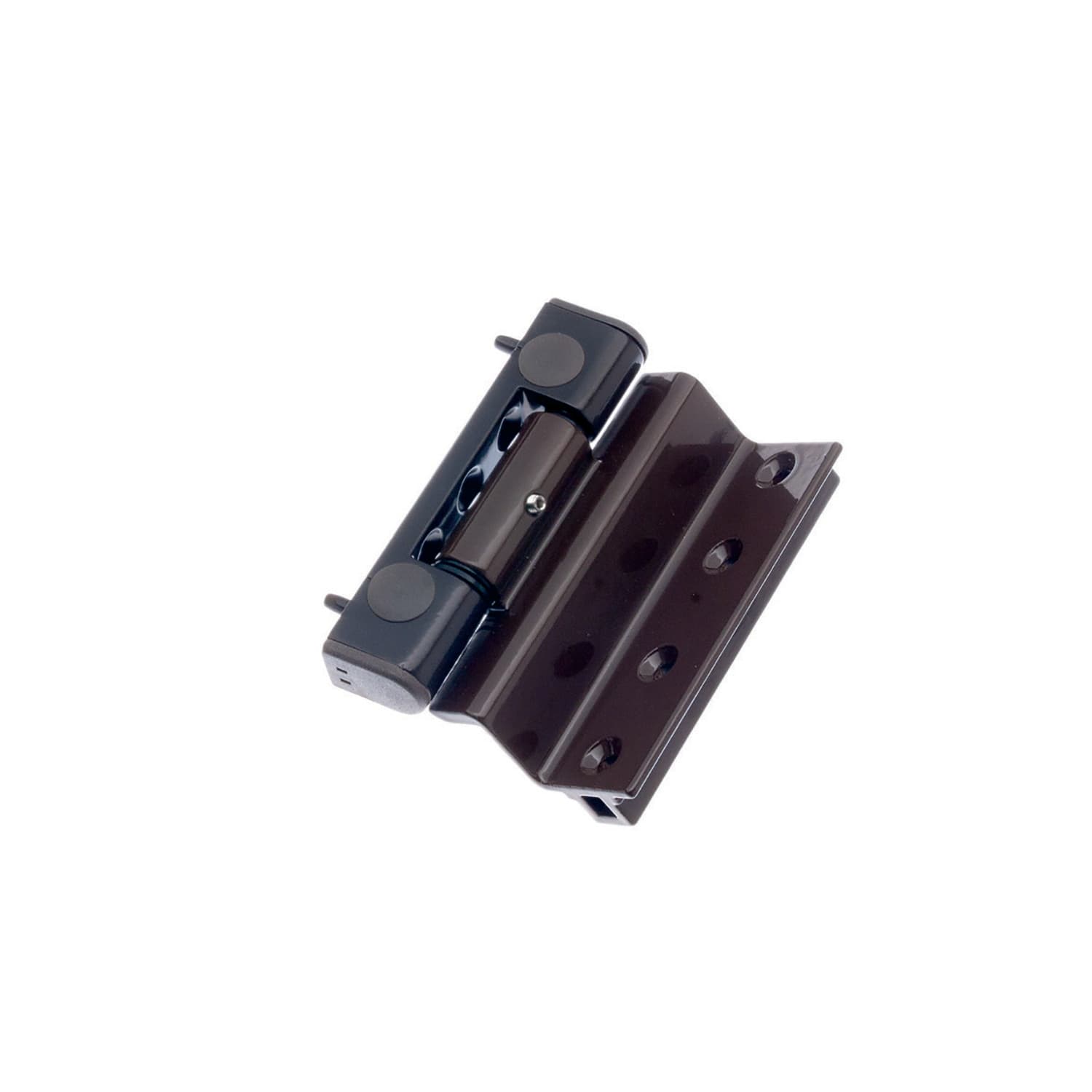
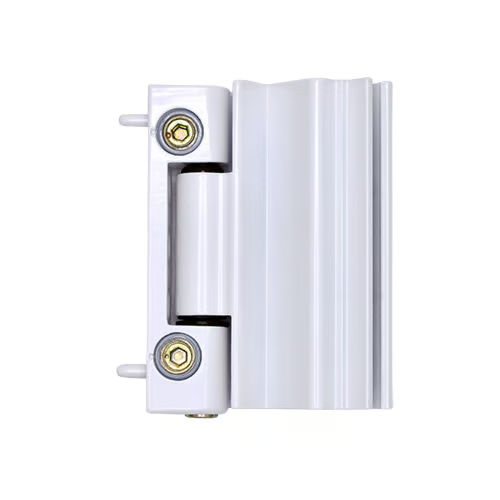
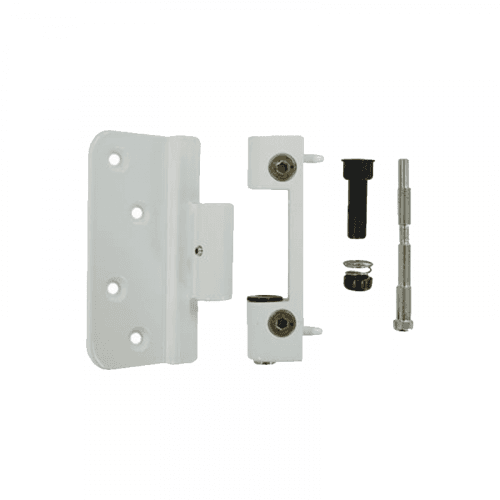
- Flag Door Hinge - Stainless Steel
- Adjustable Flag Hinge - 100mm
- ERA Challenger 3D Rebated Hinge
- Challenger Door Hinge
- UAP Adjustable Hinge for Composite Doors
Conclusion and next steps
Most butt hinge problems are straightforward to diagnose and repair: remove paint and lubricate to stop squeaks; plane, deepen mortices or re-align hinges to stop sticking; replace screws, fit additional hinges or repair the frame to resolve sagging. Start with inspection, tighten or replace screws, and only progress to mortice work or hinge replacement if basic fixes do not work. If you need parts, heavy-duty hinges or professional installation, contact Window Hardware Store for trade-spec fittings and advice.