Butt Hinge vs Rising Butt Hinge: Understanding the Difference
Butt Hinge vs Rising Butt Hinge: Understanding the Difference Choosing the correct hinge for a door or window is a small decision with big consequences. Th...
Butt Hinge vs Rising Butt Hinge: Understanding the Difference
Choosing the correct hinge for a door or window is a small decision with big consequences. The right butt hinge can make installation straightforward and ensure smooth, long-lasting operation; the wrong choice can lead to rubbing, excess wear, or accessibility problems. This article explains how standard butt hinges differ from rising butt hinges, and gives practical trade and DIY advice for selecting, installing and maintaining them.
What is a butt hinge?
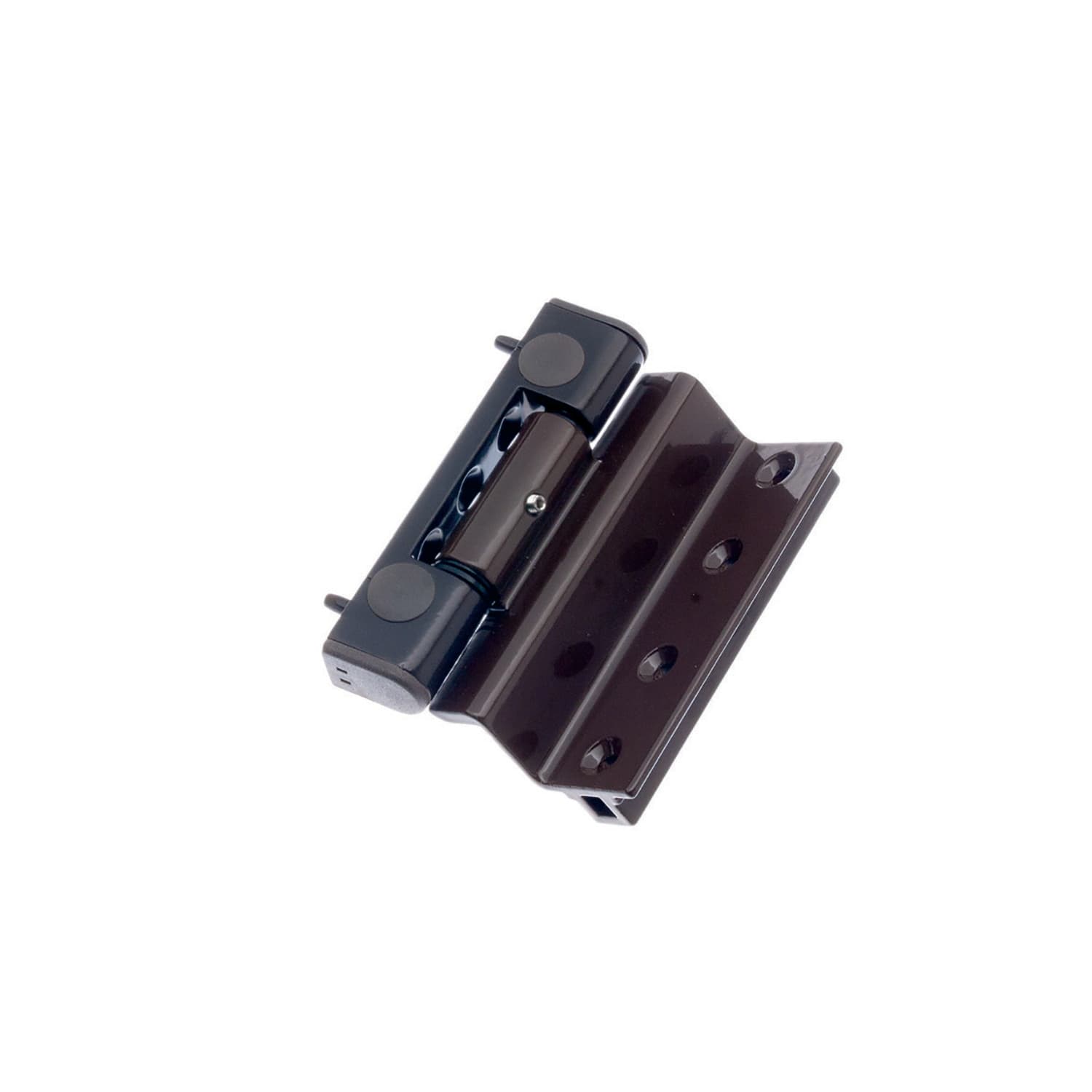
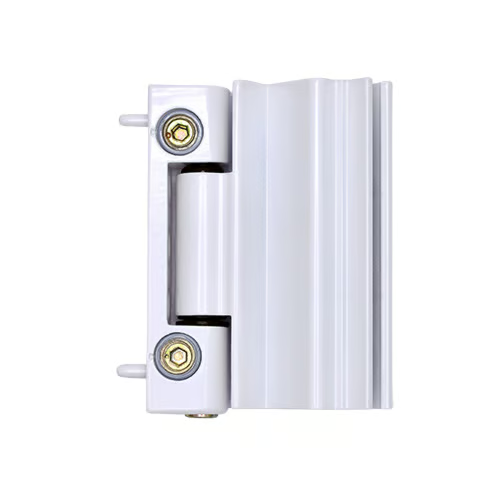
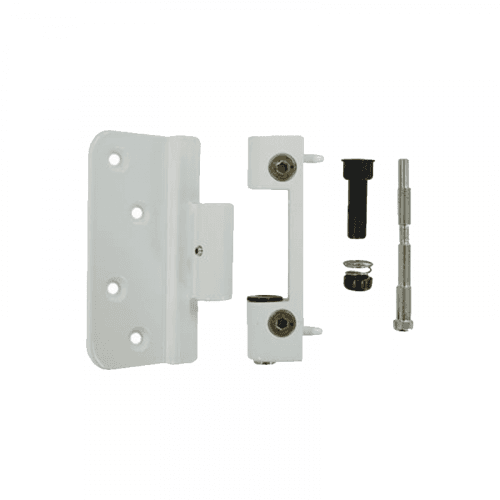
A butt hinge is the classic hinge used on internal and external timber doors and many windows. It consists of two rectangular leaves connected by a central knuckle and pin. One leaf is morticed into the door edge and the other into the frame so the hinge sits flush when the door is closed. Butt hinges are available in a range of sizes, finishes and load ratings. Typical sizes for residential doors are 75mm to 100mm for light to medium doors, with larger 125mm to 150mm options for heavy or commercial doors.
- Common uses: internal doors, cupboard doors, timber casements
- Material options: brass, stainless steel (grade 304 or 316), steel with corrosion-resistant finishes
- Variants: plain bearing, ball-bearing for higher loads and frequent use, removable pin for easy door removal
What is a rising butt hinge?
A rising butt hinge is a specialised form of butt hinge that lifts the door slightly as it is opened. Mechanically this is achieved by an angled knuckle or a localised cam action within the hinge. When the door swings away from the closed position, the hinge causes the door to rise; when the door is closed it settles back down into the threshold or sill. Rising hinges are typically fitted where floor clearance is tight, where thresholds or draught seals require temporary lift, or where an existing threshold could cause the door to catch.
- Common uses: external doors with thresholds, doors over carpets, retrofit situations where reworking the floor or frame is not desirable
- Important note: rising hinges are handed; fit them to the correct side and position to get the intended lift
Key differences at a glance
The essential differences are function and application:
- Movement: a standard butt hinge allows rotation only; a rising butt hinge provides a small vertical lift when opening.
- Application: standard butt hinges suit most internal doors; rising hinges suit doors that need to clear thresholds or high carpets.
- Effect on door behaviour: rising hinges can increase opening effort and change how the door sits on a threshold; standard butt hinges do not alter vertical position.
When to choose each
Choose a standard butt hinge when you want a flush, predictable pivot and when there is sufficient clearance at the floor. They are the default choice for most internal doors, fire doors if listed as fire-rated, and many casement windows.
Choose a rising butt hinge when the door must clear a threshold, draught seal or thick floor covering but you do not want to alter the threshold or re-cut the door. Rising hinges are also useful in retrofit work where modifying frames or floors is impractical. Bear in mind rising hinges are not ideal where low opening force is required, such as for compliance with accessibility standards, and they can complicate coordination with automatic closers.
Practical trade and DIY installation advice
Whether you are a homeowner fitting a replacement hinge or a tradesperson installing a block of doors, follow these practical steps:
- Measure and choose the correct size: base hinge size on door height and weight; common practice is three hinges for doors up to 2.1m high and heavier doors may need four hinges. For heavier or high-traffic doors, use ball-bearing or heavy-duty hinges.
- Select materials for the location: use stainless steel (grade 316) for coastal or high-corrosion environments; brass or plated steel works well internally.
- Positioning: fit the top hinge about 150mm from the top, the bottom hinge about 150mm from the bottom and the centre hinge equidistant between. For rising hinges, the hinge must be positioned so the lift will clear the obstruction; check manufacturer guidance on handedness before fitting.
- Morticing: cut shallow, accurate mortices so each leaf sits flush; the depth should match the leaf thickness for even seating and minimal gap.
- Screws and fixings: use good quality screws long enough to penetrate the frame by at least 25mm to 35mm depending on frame material. For external doors, use corrosion-resistant screws and consider security screws for exposed hinges.
- Pre-drill pilot holes and countersink where required to avoid splitting timber.
Maintenance, adjustment and common issues
Keep hinges operating smoothly with a simple maintenance routine: clean debris, check alignment and lubricate annually or sooner in harsh environments. Ball-bearing hinges require less frequent lubrication but still benefit from occasional attention.
- Squeaking: apply a light oil or graphite lubricant to the pin. If noise persists, remove the pin and check for wear or corrosion.
- Binding or rubbing: check that mortices are flush and that screw carriage has not pulled the frame out of alignment; pack or re-mortice if necessary. With rising hinges, ensure the lift is not excessive and that the hinge is the correct model for the door weight.
- Loose screws: re-tighten, but avoid over-tightening which can strip softwood frames; replace with slightly longer or thicker screws if holes are worn.
Safety, standards and special considerations
For fire doors and certain commercial installations, hinges must be certified to relevant standards; plain rising butt hinges are not always suitable for certified fire door sets. Doors requiring low opening force for accessibility should avoid rising hinges unless specifically tested to meet the required standards. Also consider how a rising hinge interacts with door closers, draught seals and automation; they may alter closing speed or force and require different settings or products.
Recommended Products
Based on this article, you may find these products helpful:
- Flag Door Hinge - Stainless Steel
- Adjustable Flag Hinge - 100mm
- ERA Challenger 3D Rebated Hinge
- Challenger Door Hinge
- UAP Adjustable Hinge for Composite Doors
Conclusion and next steps
Choosing between a standard butt hinge and a rising butt hinge depends on the clearance requirements, door weight and usage. Standard butt hinges are the safest option for predictable, flush operation; rising butt hinges provide a simple way to add clearance without major alterations but can increase opening force and complicate compliance. For tradespeople and informed DIYers: measure carefully, select appropriate materials, follow manufacturer instructions on handing and load ratings, and use corrosion-resistant fixings for external work.
Next steps: if you are replacing hinges, check the door height and weight, the existing mortice dimensions and whether you need lifting action. For further technical details and product selection, visit our pillar page on door hinges: /guides/door-hinges or contact our trade team for specification advice and availability.