
Can You Cut a Cat Flap into a uPVC Door? What Fitters Need to Know
Can You Cut a Cat Flap into a uPVC Door? What Fitters Need to Know Introduction Fitting a cat flap for uPVC door installations is a common job for trade fi...
Can You Cut a Cat Flap into a uPVC Door? What Fitters Need to Know
Introduction
Fitting a cat flap for uPVC door installations is a common job for trade fitters and an attractive DIY option for homeowners. The job sounds straightforward; cut a hole and install the frame. In practice there are important structural, security and sealing issues to consider. This post covers what fitters need to know about door construction, tools, techniques and common pitfalls when fitting a cat flap for upvc door panels.
Is your uPVC door suitable?
Not all uPVC doors are the same. Before any cutting, establish the door type and internal construction. Common types include:
- Foam-filled uPVC panels: insulated but mostly hollow; screws can be unreliable unless they locate in reinforcement.
- Steel-reinforced uPVC: sections of galvanised or stainless steel run vertically and horizontally; these will prevent simple cutting without the right blades and may be preferred anchor points for screws.
- Composite or timber-core panels with a uPVC skin: these behave differently and often accept screws and seals well.
- Glazed panels: if the lower section contains glass you must not cut; consider a glazed-through pet flap or replace the panel.
Ask the homeowner for any manufacturer documentation; cutting can void a door warranty. If unsure of reinforcement positions, remove an internal trim or use a bore-scope or small inspection hole to locate metalwork.
Regulatory and warranty considerations
Advise customers that cutting the door may void the manufacturer warranty. For doors that form part of a fire escape route or that contain dual sealing for thresholds, check building regulations and insurance implications. If the door forms part of a multi-point locking system, avoid cutting near the lock stile or locking points; allow a minimum distance from the lock and handle as specified by the lock manufacturer.
Tools and materials for a professional finish
Recommended tools and materials for a reliable installation:
- Manufacturer's template for the chosen cat flap for upvc door model: always use this for accuracy.
- Pencil, tape measure and spirit level; mark up from the finished floor level and skirting.
- Pilot drill and 25–35mm hole saw or spade bit to start internal corners.
- Jigsaw with fine-tooth blade for plastics, or a plunge router with a template guide for cleaner edges; where steel is present, use a bi-metal or metal-cutting blade and cut slowly.
- Stainless steel screws sized to engage the internal reinforcement; if no reinforcement, use a backing plate or chemical anchor suitable for uPVC.
- High-quality exterior silicone sealant and foam tape or brush pile for draught-proofing; rubber gaskets supplied with the flap.
- PPE: safety goggles, dust mask and cut-resistant gloves.
Step-by-step practical fitting outline
Follow these essential steps for a safe, watertight and secure installation:
- Measure the pet: determine the correct flap size for the animal; measure shoulder width and height from floor to the highest comfortable entry point, allowing for any doorstep or mat.
- Locate reinforcement and obstructions: make small inspection holes if needed to identify internal steel or pipework; avoid cutting into hinges or locking mechanisms.
- Use the manufacturer template: transfer the outline to the door skin, check squareness with a spirit level and mark pilot holes at template corners.
- Drill starter holes: create access for the jigsaw or router at corners; when steel is present, use a metal drill and proceed with a metal-appropriate blade.
- Cut the aperture: take steady passes with the jigsaw or router; support the door to prevent flexing and take care with heat build-up which can melt uPVC.
- Test-fit the flap frame: check that both inner and outer frames sit flush; make adjustments before sealing.
- Secure to reinforcement: fit screws that pass through the uPVC into the internal steel; avoid relying on the uPVC skin only. If reinforcement cannot be used, fit a backing plate or use resin anchors rated for the application.
- Seal and weatherproof: use the gasket supplied and apply external-grade silicone around the edges; ensure internal finishing is neat to maintain insulation.
- Commissioning: check the flap operation, ensure magnetic catches or electronic sensors function correctly, and give the homeowner maintenance advice.
Security and thermal performance
A poorly fitted cat flap will compromise both security and thermal efficiency. Trade points to observe:
- Choose a flap with robust fixing points and consider a model with secure locking options or microchip control for selective access.
- Ensure fixings bite into the reinforcement; screws in hollow uPVC can loosen over time and allow theft or draught.
- Fit the rubber gasket and silicone seal to retain weather performance; consider a flap with brush pile or insulated panels to reduce heat loss.
- For high-security needs, fit a reinforced inner cage or consider installing the flap into a panel that can be swapped for a pre-cut unit rather than cutting the main door leaf.
Common problems and how to avoid them
Typical issues include warped cuts, trapped moisture, and stripped fixings. Prevent these problems by:
- Using the correct blades and cutting slowly to avoid melting the uPVC edge.
- Sealing all cut edges to prevent water ingress; paint or seal exposed foam cores if present.
- Avoiding over-tightening screws into plastic skins; use backing plates or dedicated reinforcement screws to prevent cracking.
- Testing the flap in situ and demonstrating operation to the client; show how to lock it out if required.
Alternatives to cutting the door
If the door construction makes cutting risky, consider alternatives that preserve the door warranty and structural integrity:
- Fit a pet flap into a glazed panel; specialist glass-fit pet flaps are available or replace the lower glazing pane with a panel that accepts a flap.
- Use a letterbox adaptor or an external tunnel through a small panel rather than the main door leaf.
- Replace the lower panel with a pre-cut replacement door skin or composite panel specifically designed to accept a cat flap.
Further resources
For product options and models designed specifically for uPVC, see our wider repository of pet flap advice: /guides/pet-flaps. Manufacturers supply templates, fixing instructions and warranty conditions; follow those closely for best results.
Recommended Products
Based on this article, you may find these products helpful:
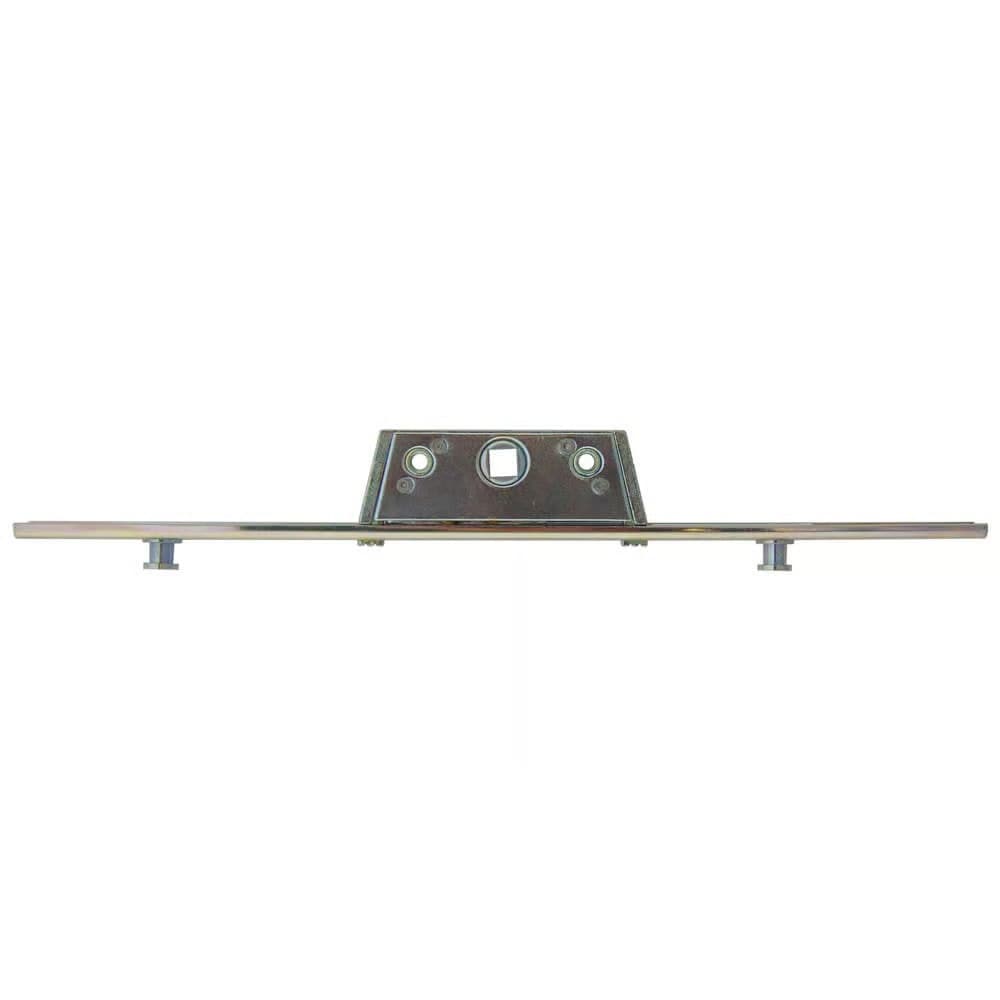
- In-Line Window Mechanism
- Offset Window Mechanism
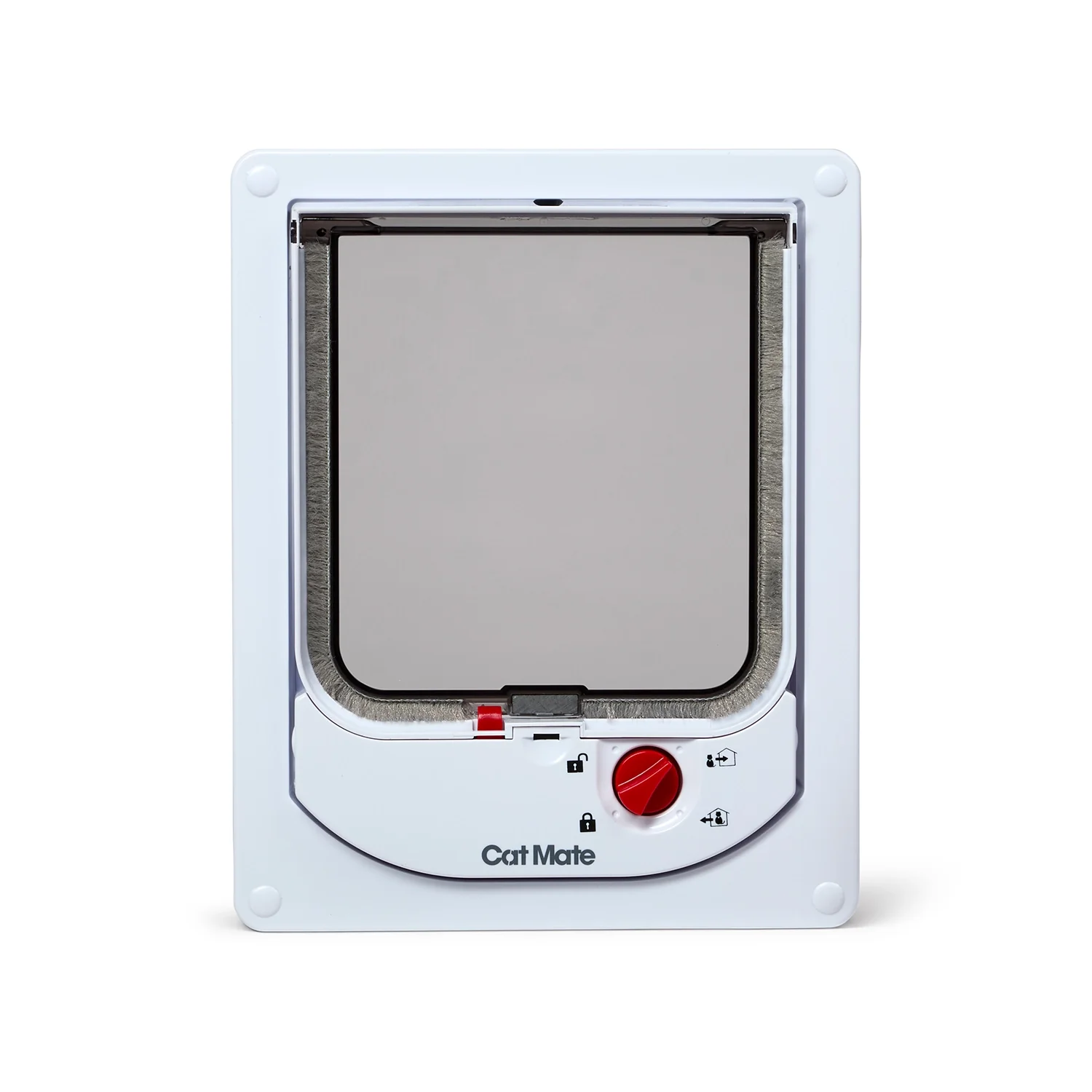
- Cat Mate Electromagnetic Cat Flap
- E-Type Gasket - Black 5m Roll
- E-Type Gasket - Black (Per Metre)
Conclusion and next steps
Cutting a cat flap for uPVC door panels is feasible but requires inspection, careful cutting, and secure fixing into reinforcement to maintain security and thermal performance. For professional fitters, the key points are: confirm door construction, use manufacturer templates, fix into internal reinforcement or provide adequate backing, and seal all edges. Homeowners should be advised of warranty implications and offered alternative solutions if the door is unsuitable for cutting.
Next steps: inspect the door construction; choose a cat flap for upvc door model suited to the panel; follow the manufacturer template and use the correct blades and fixings; contact Window Hardware Store for compatible flaps, templates and trade fittings advice.
Products mentioned in this article

Related articles
Rented Property Cat Flap Options: What Landlords Need to Know
Rented Property Cat Flap Options: What Landlords Need to Know Installing a cat flap in a rented property can improve tenant satisfaction but it raises ques...
Replacing uPVC Door Panels with Cat Flap Panels: A Cleaner Solution
Replacing a uPVC door panel with a purpose-made cat flap panel is a practical way to give pets easier access while keeping the rest of the door intact. Whe...
Dog Flap Insulation: Preventing Heat Loss Through Larger Pet Doors
Dog Flap Insulation: Preventing Heat Loss Through Larger Pet Doors Large dog flaps are convenient for owners and pets, but they create a significant therma...