
Cat Flap Buying Guide: How to Choose the Right Size and Style for Your Home
Choosing the right cat flap for your home affects your pet's comfort, security and the integrity of doors or windows. Whether you are a homeowner fitting y...
Choosing the right cat flap for your home affects your pet's comfort, security and the integrity of doors or windows. Whether you are a homeowner fitting your first flap or a trade professional preparing an installation, selecting the correct size and style ensures smooth access for the cat and avoids costly mistakes to frames, glazing and warranties.
Choosing the right cat flap size
Measure the cat first and the aperture second. The most reliable method is:
- Measure the width across the cat's shoulders at the widest point; this is the critical width for a comfortable pass-through.
- Measure shoulder height and overall head height to establish the necessary opening height; add a little head clearance so the cat does not stoop.
- Add a clearance allowance of 25mm to 50mm in both width and height. This allows for manoeuvre space and accounts for fur and movement.
- If a kitten or young cat will grow into the flap, choose the next size up now rather than refitting later.
Most manufacturers publish exact cut-out dimensions and recommended pet sizes. For trade professionals, always check the supplied template and confirm final cut-out on site before cutting material.
Styles and security options
Cat flaps come in many types. Match the style to the property use and security requirements:
- Mechanical single-flap: simple and robust; often includes a manual lock with four-way positions: in, out, locked, free.
- Magnetic collar-controlled: prevents untagged animals entering; works with a magnet in a collar.
- Microchip-activated: reads the cat's implanted microchip or a programmable tag; allows selective entry and excellent security.
- Two-way flaps for porches: enable access between house and porch but restrict access to the wider exterior.
- Insulated or draft-excluding flaps: include brush seals or double flaps to reduce heat loss.
For properties with narrow access, multiple cats or high fox activity, favour microchip units; they reduce unwanted visitors drastically. For rental properties or where batteries are an issue, a simple mechanical lock may be preferred.
Material-specific fitting advice
Different materials need different approaches. Consider these points before cutting:
- uPVC doors and panels: many uPVC doors carry steel reinforcement. Remove the door from the hinges and check for reinforcement bars. Use templates and cut with a clean fine-tooth jigsaw blade at low speed; avoid splitting edges by masking tape. If the panel includes a glazed unit, do not cut into sealed double glazing; replace the pane with a pre-cut unit designed for a cat flap.
- Composite doors: these often have manufacturer warranties that may be voided by cutting. Check the door maker's guidance. Many composite doors require specialist flaps or professional installation to preserve thermal performance and security.
- Solid timber doors: timber is straightforward to rout or jigsaw; seal cut edges with preservative and paint or varnish to prevent moisture ingress. Reinforce thin or hollow cores with a backing plate for secure screw fixings.
- Glass or double-glazed panels: do not attempt to cut sealed units. Remove the pane and replace it with a pre-cut glass panel incorporating the cat flap; trade suppliers offer glazed units with factory-fitted flaps.
- Brick walls: wall tunnels require core drilling and a tunnel sleeve; consider insulation and damp-proof sealing, and allow for internal and external collars.
Practical installation tips for homeowners and tradespeople
Good practice minimises callbacks and preserves security:
- Always use the manufacturer's template and mark the cut-out on both faces where possible. For doors, mark the centre height so the aperture aligns when the door is closed.
- Drill pilot holes at template corners to start the jigsaw blade and avoid splintering. Clamp and support thin panels to prevent vibration damage.
- For a clean router finish in timber or composite, use a flush-trim bit and a firm guide. Check for hidden hardware such as reinforcements or wiring before cutting.
- Seal all perimeter joints with an exterior-grade silicone to prevent water ingress and drafts; fit draught-excluder brushes where provided.
- If installing electronic flaps, check battery access and IP rating. Route cables for mains units through existing conduits or discreetly through frames; use grommets and sealants at cable entry points.
- Test locking functions and ensure manual override is accessible to the pet owner. Document the cut-out size and flap model for future maintenance or replacement.
Positioning: height and orientation
Position the cat flap so the cat can step through easily. A practical method:
- Have the cat sit naturally on the chosen floor; measure from floor to shoulder. Centre the flap at approximately shoulder height, or set the bottom of the opening about 50mm above floor for adult cats. Adjust lower for kittens or elderly cats that have mobility issues.
- Consider thresholds and step heights: ensure the cat does not have to jump up or down sharply when entering or exiting; check inside floor coverings for clearance.
Maintenance and accessories
Regular checks extend the life of a cat flap and maintain security:
- Inspect seals and brushes seasonally; replace worn flaps to reduce heat loss.
- For electronic units, replace batteries as required and keep contact points clean. Update microchip IDs in the unit if pets are re-chipped or tags change.
- Consider an insulated flap cover or magnetic flap for winter, and a robust external flap guard if foxes are a local problem.
Recommended Products
Based on this article, you may find these products helpful:
- Structural Glazing Tape - 20mm
- Security Glazing Tape
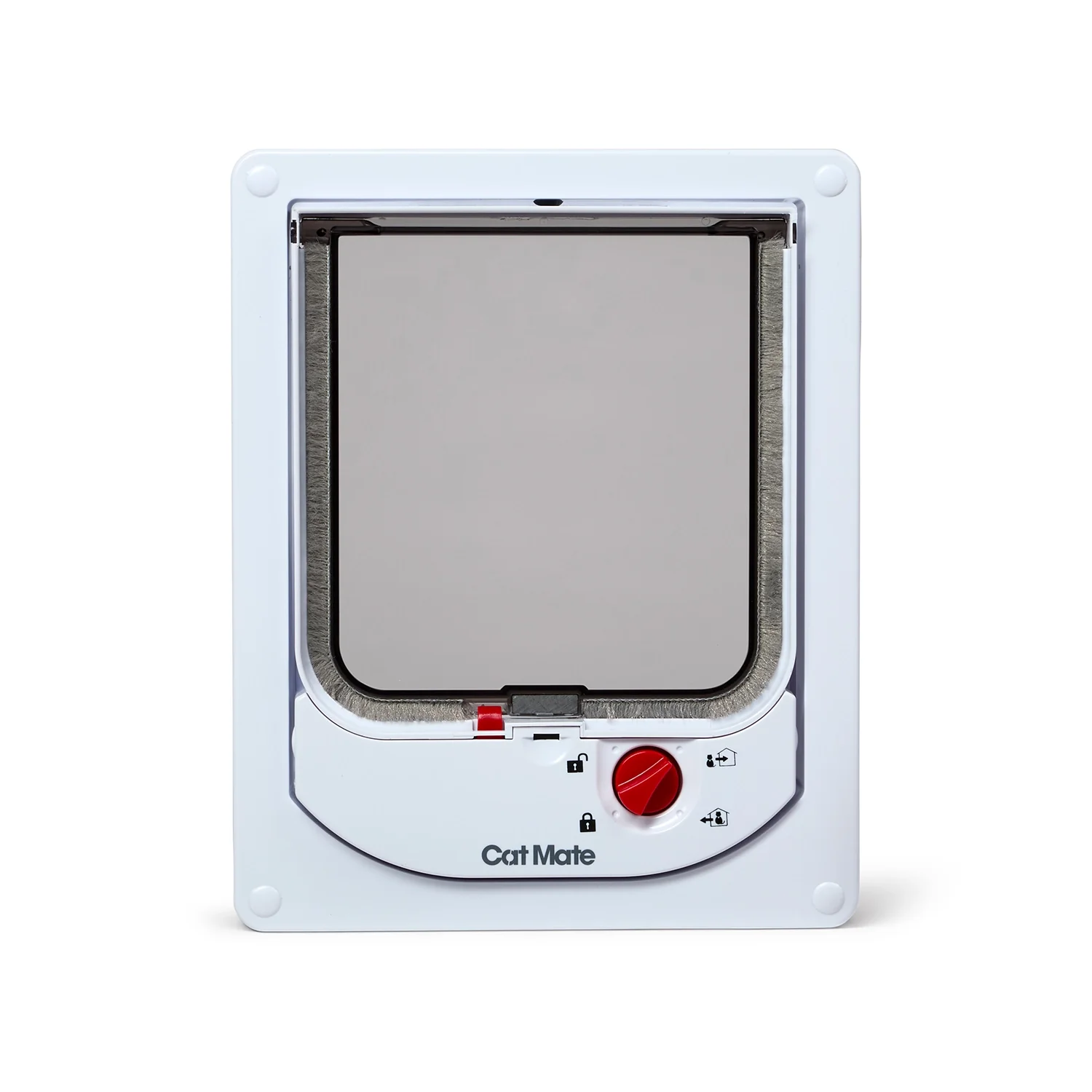
- Cat Mate Electromagnetic Cat Flap
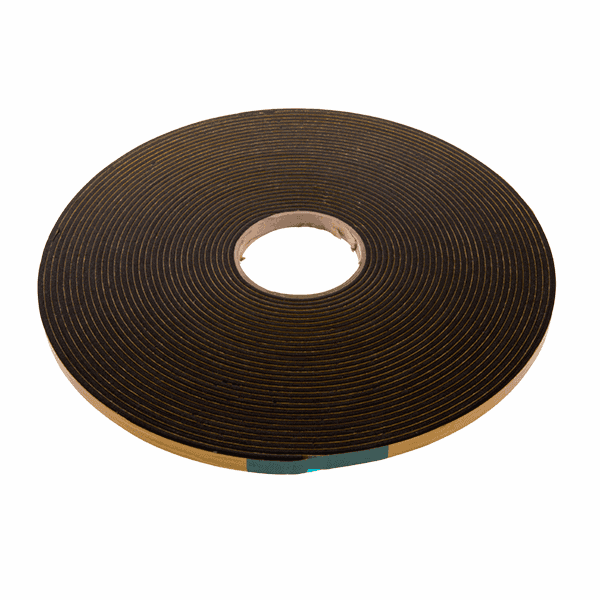
- E-Type Gasket - Black 5m Roll
- E-Type Gasket - Black (Per Metre)
Conclusion and next steps
Choosing the right cat flap depends on accurate measurement, the door or wall material, and the required level of security. For homeowners comfortable with DIY, follow manufacturer templates, use correct tools and seal cut edges. For composite doors, sealed glazing or structural panels, consult the door manufacturer or a specialist installer. Trade professionals should confirm reinforcement locations, use templates on site and document dimensions for clients.
Next steps: measure your cat's shoulder width and height; check the door or panel material and warranty; select a style that meets security needs; and if in doubt contact a specialist installer or visit our pillar page for pet flaps at /guides/pet-flaps for product recommendations and fitting resources.
Products mentioned in this article
Related articles
Rented Property Cat Flap Options: What Landlords Need to Know
Rented Property Cat Flap Options: What Landlords Need to Know Installing a cat flap in a rented property can improve tenant satisfaction but it raises ques...
Replacing uPVC Door Panels with Cat Flap Panels: A Cleaner Solution
Replacing a uPVC door panel with a purpose-made cat flap panel is a practical way to give pets easier access while keeping the rest of the door intact. Whe...
Dog Flap Insulation: Preventing Heat Loss Through Larger Pet Doors
Dog Flap Insulation: Preventing Heat Loss Through Larger Pet Doors Large dog flaps are convenient for owners and pets, but they create a significant therma...