
Cat Flap Draughtproofing: How to Stop Cold Air Coming Through
Cat Flap Draughtproofing: How to Stop Cold Air Coming Through: a practical look at why cat flaps let cold air in and what tradespeople and homeowners can d...
Cat Flap Draughtproofing: How to Stop Cold Air Coming Through: a practical look at why cat flaps let cold air in and what tradespeople and homeowners can do to reduce heat loss while keeping pets happy. This post covers types of cat flaps, materials and seals, installation tips for common door and window substrates, maintenance and a step-by-step DIY sealing method.
Why cat flaps cause draughts
Cat flaps create an opening in what is otherwise a sealed door or glazed panel. Even small gaps around the flap frame, a thin single-layer flap, or a poorly seated sealing brush will let cold air and wind penetrate. Thermal performance of the surrounding door or window is also important: a well-insulated composite door with a snug pet flap will perform far better than a thin hollow-core door with a cut-out.
Types of cat flap and relative performance
- Single-panel plastic flaps: cheap and common; often thin and flexible, so they allow more air exchange and lose more heat.
- Double-flap systems: two flaps with an air gap between them; significantly reduces convective heat loss by creating a small insulating buffer.
- Insulated or thermally lined flaps: flaps with foam cores or aluminium skins that have a better U-value than standard plastic flaps.
- Magnetic or sealed-edge flaps: use magnets or compressible seals to hold the flap flush and reduce gaps around the perimeter.
- Microchip/ID flaps: often better sealed and designed with heavier materials; primary benefit is security, but many models combine this with improved sealing.
Seals, materials and hardware to consider
Effective draughtproofing depends on using the right seal materials and fixing methods. Consider these options:
- EPDM or neoprene compression gaskets: durable and weather-resistant; used around frames to form a continuous seal.
- Brush seals: useful where penetration allows movement; brush piles reduce air flow but will not be as thermally effective as a compression gasket.
- Magnetic strips: help the flap sit firmly against the frame; good for plastic and metal flaps.
- Foam insulation or closed-cell strips: for filling shallow gaps; use closed-cell foam to avoid moisture absorption.
- High-quality stainless steel screws and fixings: for external installations use stainless or coated fixings to avoid corrosion and maintain long-term compression.
Installation advice for door and window substrates
Different substrates need different approaches. Follow these trade tips for durable results:
- UPVC doors and panels: avoid expanding foam to seal the frame; use purpose-made UPVC gaskets and foam strips that compress under the flap frame. Pre-drill and use self-tapping screws designed for UPVC; ensure the flap does not distort the surrounding profile or interfere with glazing beads.
- Timber doors: use EPDM gasket material bedded in silicone or a good-quality exterior adhesive; countersink screws and use corrosion-resistant fixings. Re-seat varnish or paint around cut edges to reduce moisture ingress and swelling.
- Composite and insulated doors: maintain the door’s thermal core integrity; avoid cutting too deep into the core. Use flaps designed for composite doors or fit through-panel pet doors that include insulated liners.
- Glazed units and panels: consider fitting a separate glazed pet panel or a purpose-built pet door unit instead of cutting the sealed unit; this avoids destroying the insulating glass unit.
- Fire doors and certified doors: do not cut cat flaps into doors with fire or smoke certification; this will void the certification and create a safety risk.
Practical DIY draughtproofing: step-by-step
Here is a straightforward retrofit method to reduce draughts around an existing cat flap. This is suitable for competent DIYers and trade professionals working on non-structural doors.
- Tools and materials: EPDM or neoprene gasket tape, closed-cell foam tape, magnetic strip or adhesive magnetic tape, stainless steel countersunk screws, exterior-grade silicone sealant (neutral cure), isopropyl alcohol for cleaning, utility knife, drill and screwdriver.
- Step 1: Clean and inspect the existing installation; remove dirt and old sealant and check for any warped frame or cracked flap.
- Step 2: Test the flap operation; if the flap does not sit flush, adjust hinges or replace the flap mounting if possible.
- Step 3: Apply closed-cell foam tape to fill any small gaps between the flap frame and the door face; avoid over-thick packing that prevents the flap from closing.
- Step 4: Fit an EPDM compression gasket around the inside perimeter of the flap opening where the flap seals; ensure continuous contact when the flap is closed.
- Step 5: If fitted, add a magnetic strip to the flap edge and mating strip on the frame to improve closure and prevent flutter in wind.
- Step 6: Seal screw heads and any cut timber faces with neutral cure silicone to prevent moisture ingress; where screws pass through the door face, use silicone and stainless washers to maintain a weatherproof seal.
- Step 7: Re-test operation and check for frozen or stuck seals in very cold weather; adjust as required.
Maintenance and service tips
Trade professionals should advise homeowners on simple maintenance to keep draughtproofing effective:
- Inspect seals annually for wear and replace compressible strips when compressed or cracked.
- Lubricate moving parts with a dry PTFE or silicone spray to avoid attracting dust into seals.
- Check magnetic closures and re-adhere or replace adhesive magnets if they lose strength.
- For external installations, check fixings and re-seat silicone after severe weather.
When to upgrade or replace the cat flap
If draughts are significant or the surrounding door has poor thermal performance, replacing a cheap plastic flap with an insulated model or a double-flap system is often the best solution. For glazed doors, consider installing a separate glazed pet panel that matches the insulating glass unit, or swap to a purpose-made pet door with a thermal frame and lining.
Regulatory and safety points for trades
Do not fit cat flaps to fire doors or doors with smoke seals; alterations will void certification. For tenanted properties, get landlord consent and check building insurance requirements. Always use corrosion-resistant fixings in external locations and ensure any new opening does not compromise structural members or glazing integrity.
Recommended Products
Based on this article, you may find these products helpful:
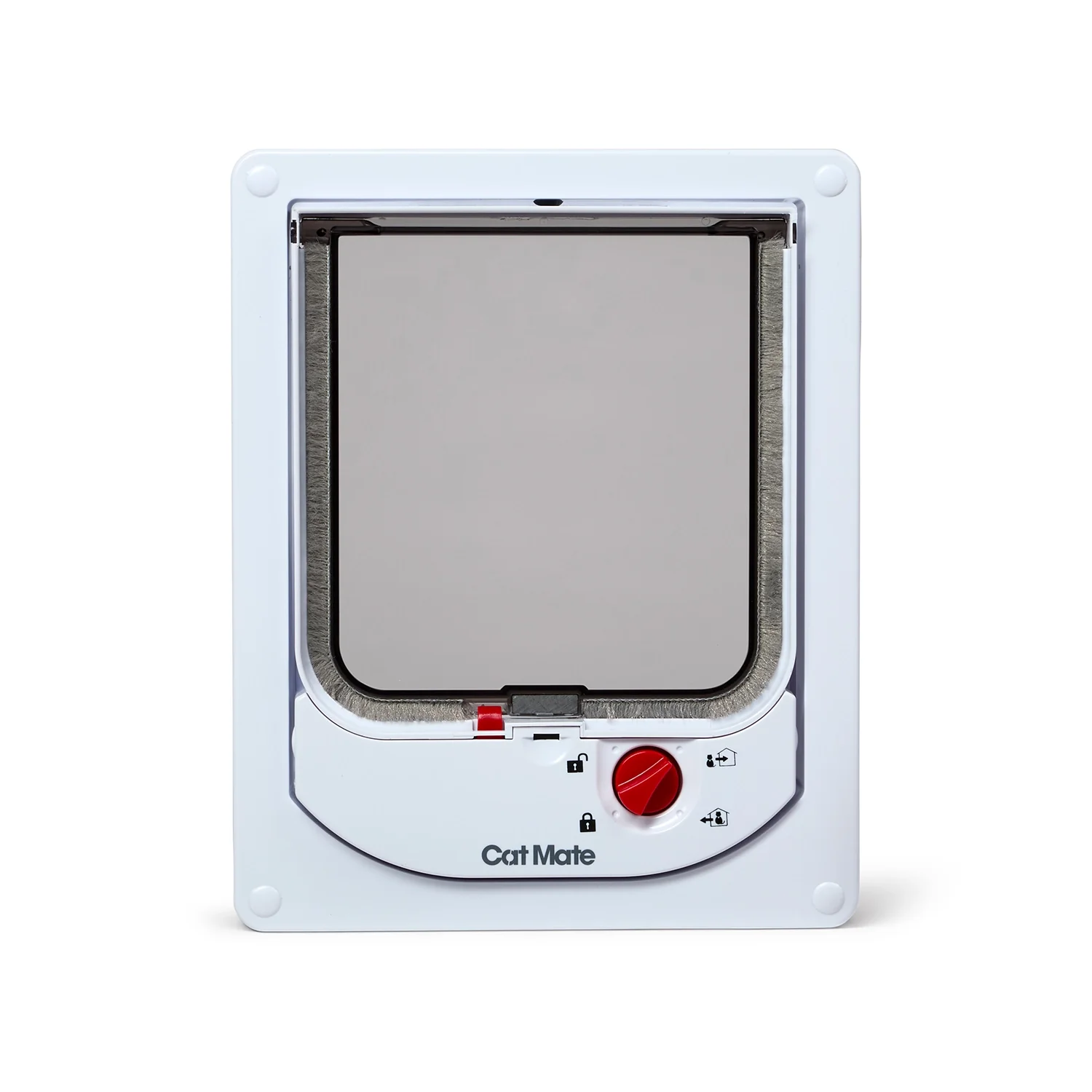
- Cat Mate Electromagnetic Cat Flap
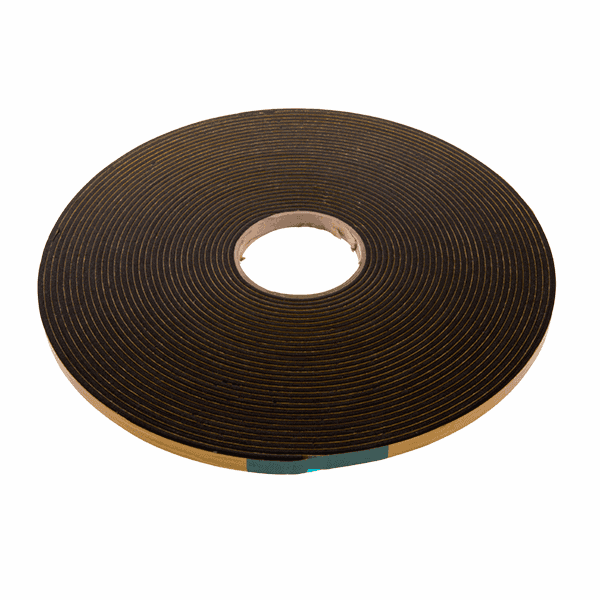
- E-Type Gasket - Black 5m Roll
- E-Type Gasket - Black (Per Metre)
- Structural Glazing Tape - 20mm
- Security Glazing Tape
Conclusion and next steps
Cat flaps need careful attention to detail to prevent draughts: choose the right flap type, use quality seals and fixings, and apply correct installation techniques for the door material. For homeowners, start with the retrofit sealing steps above; for trade professionals, evaluate the door substrate and recommend insulated or purpose-built pet panels when necessary. For more product options and technical advice see our pet flaps resource page: /guides/pet-flaps. If you need assistance specifying a solution for a particular door type, contact our technical team for tailored advice and trade pricing.
Products mentioned in this article
Related articles
Rented Property Cat Flap Options: What Landlords Need to Know
Rented Property Cat Flap Options: What Landlords Need to Know Installing a cat flap in a rented property can improve tenant satisfaction but it raises ques...
Replacing uPVC Door Panels with Cat Flap Panels: A Cleaner Solution
Replacing a uPVC door panel with a purpose-made cat flap panel is a practical way to give pets easier access while keeping the rest of the door intact. Whe...
Dog Flap Insulation: Preventing Heat Loss Through Larger Pet Doors
Dog Flap Insulation: Preventing Heat Loss Through Larger Pet Doors Large dog flaps are convenient for owners and pets, but they create a significant therma...