
Cat Flap Maintenance: Cleaning Tips and When to Replace
Cat Flap Maintenance: Cleaning Tips and When to Replace A well maintained cat flap keeps pets happy, reduces draughts and limits damage to doors and window...
Cat Flap Maintenance: Cleaning Tips and When to Replace
A well maintained cat flap keeps pets happy, reduces draughts and limits damage to doors and windows. Whether you are a homeowner carrying out routine upkeep or a trade professional servicing multiple properties, the right cleaning techniques and timely replacement decisions will extend the life of the unit and maintain security and energy performance.
Why regular maintenance matters
Cat flaps are subject to mechanical wear, dirt build-up and weathering. On uPVC, aluminium, timber and composite doors the flap aperture, seals and fixings interact with the door hardware: worn seals can cause heat loss and damp ingress; loose fixings can distort the door leaf; malfunctioning locks or electronic readers can compromise security. Regular attention prevents service call-outs, reduces warranty issues and keeps installations compliant with door manufacturer recommendations.
Tools and materials you will need
- Soft cloths and a soft-bristled brush
- Mild detergent or pH-neutral cleaner
- Isopropyl alcohol or contact cleaner for electrical contacts
- Silicone spray or PTFE dry lubricant for moving parts
- Light machine oil for metal hinges (if applicable)
- Stainless steel or galvanised fixings for replacements
- Neutral-cure silicone sealant for re-sealing apertures
- Screwdrivers, hex keys and a multimeter (for electronic units)
- Replacement seals, flap panels or batteries as required
Step-by-step cleaning and inspection
Follow these steps to clean most cat flaps safely and effectively. Always consult the manufacturer instructions for electronic or specialised models before proceeding.
- Switch off power and remove batteries: for electronic or microchip-controlled flaps isolate power and remove batteries to prevent short circuits while cleaning.
- Surface clean: wipe the flap and frame with a soft cloth and mild detergent; remove mud and grime from both sides of the flap. Avoid abrasive pads that scratch plastic or painted surfaces.
- Clean seals and brush strips: use a soft brush to remove trapped debris from rubber seals and brush strips. Dirt in seals reduces their compressive ability and increases draughts.
- Check for wear and warping: inspect the flap for cracks, deformation or crazing. Plastic flaps can warp with prolonged UV exposure or paint-stripping solvents; replace warped panels promptly.
- Clean magnets and contacts: wipe magnetic catches and electrical contacts with isopropyl alcohol or an electronics contact cleaner; ensure dry before reassembly.
- Remove and clean inner liner if applicable: some models allow removal of the inner frame for deeper cleaning; keep screws and fixings organised to avoid cross-threading on reassembly.
Lubrication and hardware adjustments
Correct lubrication reduces friction and wear. Use a PTFE dry lubricant or silicone spray on moving plastic-to-plastic or plastic-to-metal surfaces to avoid attracting dirt; apply sparingly. For metal hinges or pivot pins use a light machine oil. Avoid petroleum-based products such as WD-40 on rubber seals and electronics; these can degrade seals and attract grime.
When checking fixings: ensure screws are snug but do not over-tighten into uPVC or composite door skins. For retrofit jobs in composite doors consider backing plates or bespoke reinforcements to distribute loads; use stainless steel screws to resist corrosion. Adjust the flap alignment so it sits central within the frame and seals compress evenly; uneven compression can indicate enclosure distortion that needs correction.
Electrical and microchip units: extra checks
- Battery health: change batteries at manufacturer intervals, typically every 6 to 12 months depending on usage. Weak batteries cause intermittent behaviour that can be mistaken for mechanical faults.
- Reprogramming and range checks: for microchip readers test recognition after cleaning; reprogram known chips if required. Check read-range and sensitivity settings to avoid unwanted openings.
- Inspect wiring and connectors: corrosion or loose terminals are common causes of failure. Use a multimeter to check continuity; replace corroded connectors and apply contact cleaner.
When to repair and when to replace
Minor issues such as loose screws, dirty seals or depleted batteries are often repairable on-site. Replace the unit if any of the following apply:
- Cracked or warped flap that no longer seals
- Damaged or missing weather seals that cannot be replaced independently
- Persistent draughts or water ingress after resealing
- Electronic failure where replacement modules are unavailable or costlier than a new unit
- Security concerns: compromised locks or structural damage around the aperture
When replacing, match the new cat flap to door type and thickness: uPVC doors typically need different fixing kits to timber or composite doors. Check the template dimensions and ensure the replacement supports the door manufacturer warranty; some doors require manufacturer-approved cut-outs or reinforcement.
Quick DIY removal and replacement overview
- Remove interior trim: unscrew the inner frame and keep fastenings labelled.
- Disconnect wiring: label and photograph connections prior to removal to aid reconnection.
- Remove old sealant: use a suitable tool to remove sealant carefully; avoid damaging the door edge.
- Trial-fit new flap: check alignment and measure before final fixing; ensure the aperture is square and dimensions match the template.
- Apply neutral-cure silicone and refit: use neutral-cure silicone compatible with uPVC and metal; acetoxy silicones can corrode metal components.
- Test and program electronics: replace batteries and test locking modes, read-range and any passive settings.
Professional trade tips
- Carry common spare parts: seals, flap panels, fixings and batteries reduce return visits.
- Use protective pads when working on painted or aluminium finishes to avoid scratching.
- Record serial numbers and firmware versions for electronic units; some faults are resolved with a firmware update from the manufacturer.
- When cutting into doors, respect structural infill and avoid weakening the door leaf; add reinforcement where required.
Maintenance schedule
- Monthly: wipe down, visual check of seals and catch operation
- Quarterly: clean magnetic catches, check batteries and re-lubricate moving parts
- Annually: full inspection, remove and clean inner liners, replace worn seals and test electronics
Recommended Products
Based on this article, you may find these products helpful:
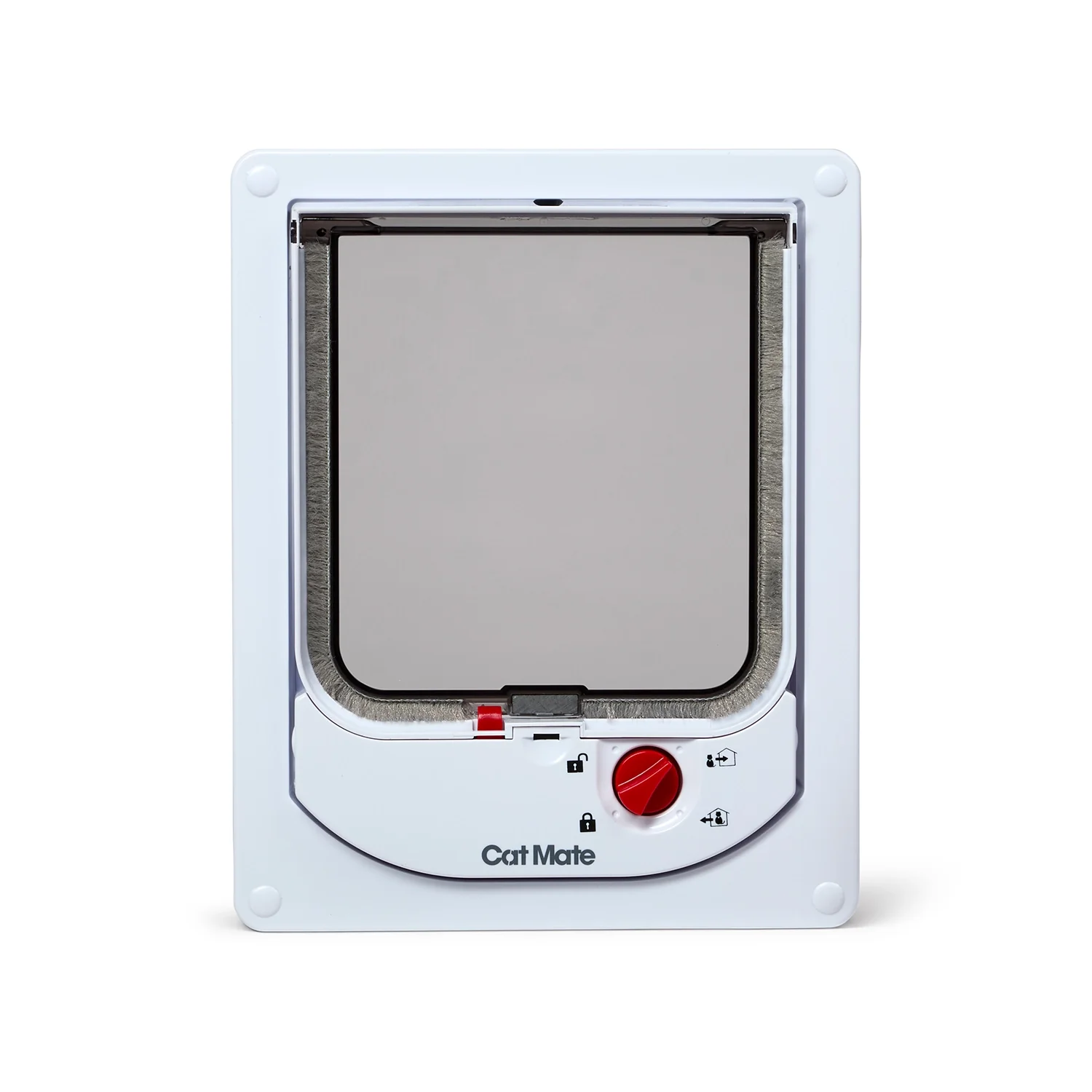
- Cat Mate Electromagnetic Cat Flap
- E-Type Gasket - Black 5m Roll
- E-Type Gasket - Black (Per Metre)
- Top-Hung Window Hinge - Standard
- Side-Hung Window Hinge - Standard
Conclusion and next steps
Regular cleaning and timely intervention will keep a cat flap performing well and protect the surrounding door or window hardware. For homeowners, follow the simple cleaning and battery routines above; for trade professionals, carry common spares and use approved fixings and sealants. If you need replacement parts, advice on matching a new unit to door type, or technical support for electronic models visit our pillar resource at /guides/pet-flaps or contact Window Hardware Store for trade pricing and technical guidance.
Products mentioned in this article
Related articles
Rented Property Cat Flap Options: What Landlords Need to Know
Rented Property Cat Flap Options: What Landlords Need to Know Installing a cat flap in a rented property can improve tenant satisfaction but it raises ques...
Replacing uPVC Door Panels with Cat Flap Panels: A Cleaner Solution
Replacing a uPVC door panel with a purpose-made cat flap panel is a practical way to give pets easier access while keeping the rest of the door intact. Whe...
Dog Flap Insulation: Preventing Heat Loss Through Larger Pet Doors
Dog Flap Insulation: Preventing Heat Loss Through Larger Pet Doors Large dog flaps are convenient for owners and pets, but they create a significant therma...