
Cat Flap vs Cat Door: What's the Difference and Which Do You Need?
Cat Flap vs Cat Door: What's the Difference and Which Do You Need? Choosing the right cat flap for a property involves more than picking a size: it affects...
Cat Flap vs Cat Door: What's the Difference and Which Do You Need?
Choosing the right cat flap for a property involves more than picking a size: it affects security, thermal performance and the longevity of doors or glazing. This article outlines the technical differences between a simple cat flap and a cat door, reviews suitable materials, and gives practical trade and DIY guidance for UK homeowners and installers.
Definitions: cat flap versus cat door
The terms "cat flap" and "cat door" are often used interchangeably; for clarity they are distinguished here:
- Cat flap: a small, flexible or rigid flap fitted into a door, wall or panel intended mainly for cats. Typical installations are a single membrane or hinged flap within a frame that fits into or onto the host material.
- Cat door: a larger, more substantial unit that may replace a section of a door or glazing unit; it can include rigid framed panels, tunnel units for thick walls, or full-height pet doors suitable for bigger animals.
When to choose each: practical considerations
Pick a cat flap if you want a compact, economical solution: they are ideal for uPVC doors, internal doors and simple wooden panels. Cat doors are appropriate when the opening must pass through thicker construction such as an external wall or when greater durability, insulation and security are required.
Materials and compatibility with door hardware
Consider the host material before ordering: each material demands different fixings and techniques.
- uPVC: Very common in UK homes. Use flaps designed for uPVC with compatible screw lengths and reinforcement plates; cutting into a multi-chamber uPVC door can weaken it and may void manufacturer warranties; consult the door manufacturer first.
- Composite doors: These are manufacturer-specific; many composite door warranties forbid retrofitting without an approved kit. Use specialist cat doors approved by the door maker.
- Timber: Easier to cut and rout; ensure you use treated timber or appropriate sealants on exterior edges to prevent ingress of moisture.
- Aluminium: Use pop rivets or stainless steel screws and pre-drill accurately; aluminium doors or frames often need additional thermal bridging considerations.
- Glazed units: For double glazing, select a glazed-in cat flap that replaces a pane or order a sealed unit with a pre-cut aperture to preserve thermal performance.
Security, insulation and locking options
Security and draught control are common concerns for homeowners and trade professionals. Options include:
- Manual 4-way locks: lock-in, lock-out, in-only and out-only modes; economical and reliable.
- Microchip or RFID-operated flaps: permits selective access for registered pets; reduces the risk of stray animals entering.
- Timed locks: useful to restrict nocturnal wanderings.
- Magnetic seals and weighted flaps: improve draught proofing and reduce heat loss; choose flaps with rated U-value data where possible.
- Security covers and aluminium locking plates: helpful on ground-floor or exposed locations; some manufacturers offer lockable panels to cover the flap fully.
Trade advice: best practice for installers
Professional fitting ensures durability and compliance with warranties. Practical tips for installers:
- Always use the manufacturer's template and check door or window maker guidance; cutting without authorisation may void warranties.
- Reinforce thin panels with backing plates; in uPVC use a reinforcement bar to prevent flexing around the aperture.
- For glazed applications, specify a replacement sealed unit with the cat aperture factory-cut; site-cutting glass is unsafe and will compromise insulation.
- Use stainless steel fixings on external fittings to avoid corrosion; apply a continuous silicone seal where the frame meets the host material to prevent water ingress.
- Record the work with photographs and customer sign-off; note any warranty conditions or follow-up maintenance items in the job sheet.
DIY guidance: measuring, tools and step-by-step
For competent DIYers, a straightforward cat flap into a timber door is achievable. Key steps and tools:
- Measure your cat: shoulder height and width are critical. Position the bottom of the flap roughly 120–200 mm above the finished floor; adjust for very small or large animals.
- Tools: pencil, spirit level, drill with spade bits, jigsaw or router, screwdriver, chisels, silicone sealant, PPE (safety goggles, dust mask).
- Procedure: mark the centre line and outline using the supplied template; drill starter holes at corners; cut the aperture with a jigsaw or router for timber; dry-fit frames, then apply silicone and secure with the correct screws; fit inner trim and test the flap and locking mechanisms.
- For uPVC or composite doors: consult the door supplier; many recommend authorised retrofit kits or factory-fitted glazed units rather than cutting on site.
- For glazed doors: never attempt to cut double glazing on site; order a factory-cut sealed unit or instruct a glazing specialist.
Maintenance and troubleshooting
Regular checks extend the life of the unit. Recommendations:
- Inspect seals and tighten fixings annually; replace worn brush seals to keep draughts down.
- For microchip flaps, check batteries and update the pet identity database as needed; perform a manual override test to ensure mechanical components still operate.
- Lubricate hinges on rigid doors and clean flexible flaps with a mild detergent to prevent stickiness from grime.
Choosing the right product
Select a cat flap that balances size, security and thermal performance. For multiple-cat households consider larger framed units with RFID control. For trade clients, specifying from reputable manufacturers with fitting instructions and warranty cover reduces call-backs.
For further technical comparisons and a catalogue of recommended products, see our comprehensive pet flaps page: /guides/pet-flaps.
Recommended Products
Based on this article, you may find these products helpful:
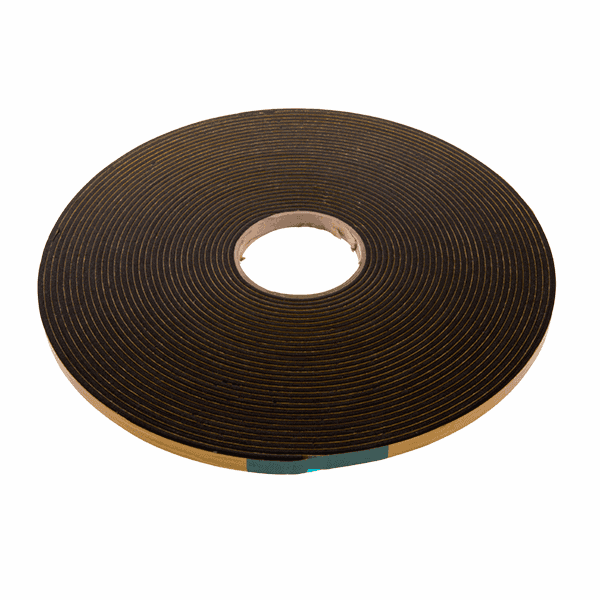
- Structural Glazing Tape - 20mm
- Security Glazing Tape
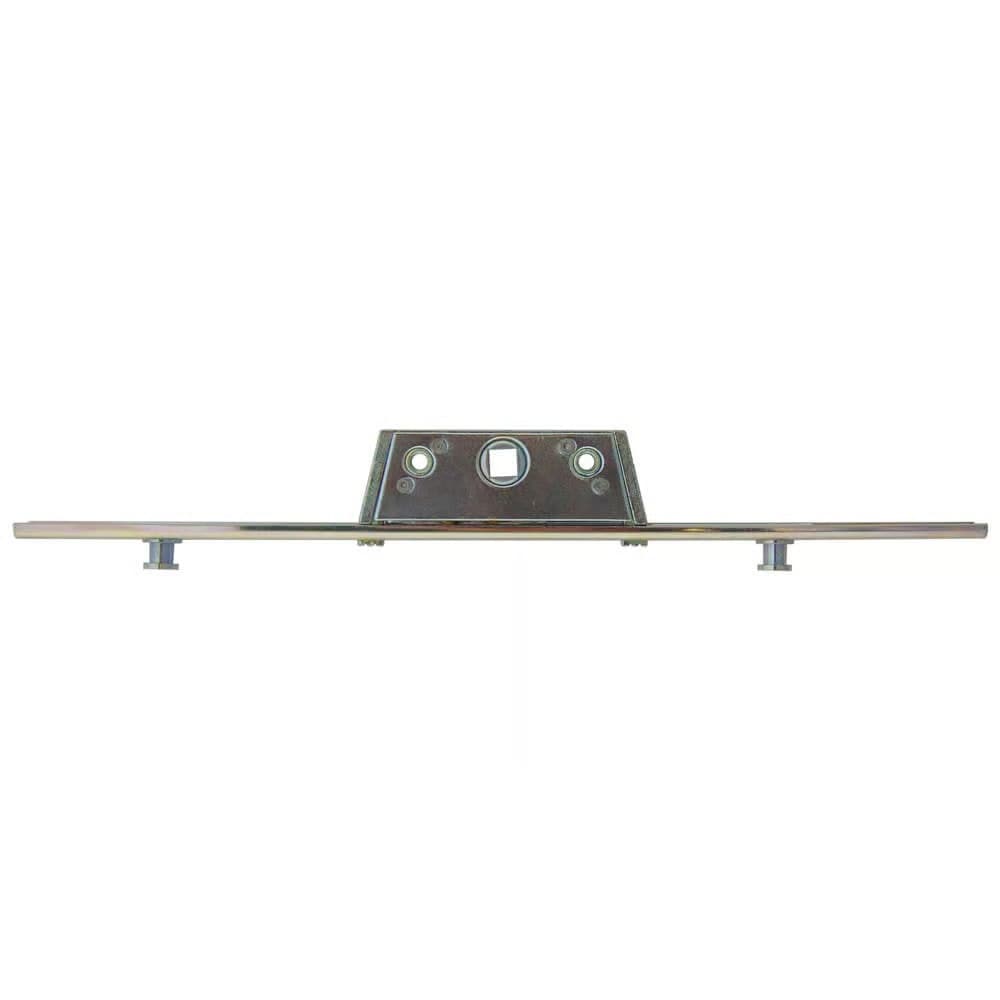
- In-Line Window Mechanism
- Offset Window Mechanism
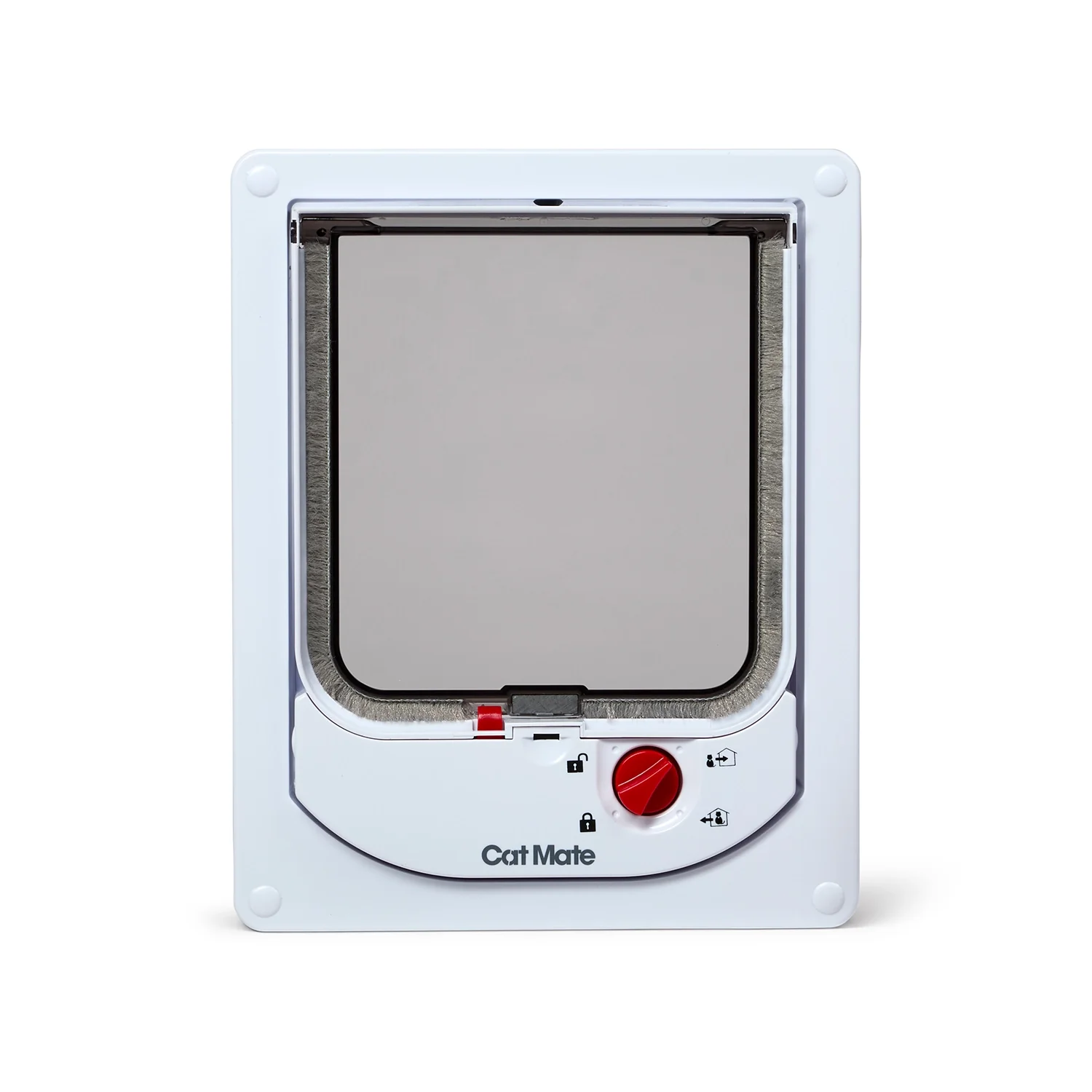
- Cat Mate Electromagnetic Cat Flap
Conclusion and next steps
Decide on a cat flap for a simple insertion into doors or internal panels; choose a cat door when you need greater robustness, through-wall access or improved insulation. If you are a homeowner planning DIY installation, measure carefully, use the correct template and avoid cutting into sealed glass or unapproved composite doors. Trade professionals should follow manufacturer instructions, reinforce where necessary and document the work for warranty compliance. Next steps: measure your pet, check your door or window type against manufacturer guidance, and either order an approved kit or contact a glazing or door specialist for a factory-cut option.

Related articles
Rented Property Cat Flap Options: What Landlords Need to Know
Rented Property Cat Flap Options: What Landlords Need to Know Installing a cat flap in a rented property can improve tenant satisfaction but it raises ques...
Replacing uPVC Door Panels with Cat Flap Panels: A Cleaner Solution
Replacing a uPVC door panel with a purpose-made cat flap panel is a practical way to give pets easier access while keeping the rest of the door intact. Whe...
Dog Flap Insulation: Preventing Heat Loss Through Larger Pet Doors
Dog Flap Insulation: Preventing Heat Loss Through Larger Pet Doors Large dog flaps are convenient for owners and pets, but they create a significant therma...