
DIY Cat Flap in uPVC Door: Is It Really Worth the Risk?
DIY Cat Flap in uPVC Door: Is It Really Worth the Risk? Fitting a cat flap for uPVC door seems like a straightforward DIY job: buy a flap, cut a hole and f...
DIY Cat Flap in uPVC Door: Is It Really Worth the Risk?
Fitting a cat flap for uPVC door seems like a straightforward DIY job: buy a flap, cut a hole and fit it. For some homeowners and tradespeople the reality is more complex; uPVC doors are often multi-layer constructions with steel reinforcement, insulating cores and integrated locks. Getting it wrong can lead to security weaknesses, water ingress, voided warranties and costly repairs. This post explains the risks and practical steps to help you decide whether to attempt a DIY installation or call a specialist.
Know your door: construction and hidden elements
Before any cutting takes place you must identify the door type and internal construction. Typical options include:
- Hollow uPVC doors with honeycomb or foam core: easy to cut through but can be weak and prone to damage if not reinforced.
- Composite doors with uPVC skins and timber or foam core: cutting into these may expose structural members or insulation.
- Steel-reinforced uPVC doors with galvanised box sections: these include a metal frame inside the stiles and rails; cutting here is difficult and wrong placement can hit or weaken the reinforcement.
- Doors with glazed panels: replacing glass with a pet flap requires a compatible unit and specialist glazing skills.
If you are unsure, remove the door from the hinges and look at the edge and lock stile; manufacturers also publish door construction data. Incorrect placement can damage multi-point locking mechanisms or void the manufacturer warranty.
Common risks and how to mitigate them
Key risks when fitting a cat flap for uPVC door include security, thermal performance, water ingress and warranty issues. Practical mitigation:
- Security: choose a pet flap with strong locking or an internal lockable cover; fit so the frame screws engage into steel reinforcement or use rivnuts rather than fastening into thin uPVC skins alone.
- Thermal efficiency: use an insulated flap compatible with your door thickness and fit a compressible foam gasket; poor sealing increases heat loss.
- Water ingress: apply collapsible butyl or silicone sealant between flap frame and door face; fit from the outside first, then clamp and screw from inside for a watertight joint.
- Warranties and insurance: check the door manufacturer’s terms; many warranties are voided by unauthorised cutting or modification. Inform your insurer if you change external doors on a rental property.
Tools, materials and industry best practice
Tradespeople should treat a cat flap installation as a small alteration job with proper templates, tools and fasteners. Recommended items:
- Manufacturer’s template; spirit level and pencil for alignment.
- Drill with step bit or forstner drills for pilot holes; jigsaw with fine-tooth metal/plywood blade; alternatively a router with a downcut bit if experienced.
- Rivnut kit or long stainless steel screws and backing plates if attaching through steel sections.
- Butyl tape or high-quality external grade silicone; stainless steel screws; washers.
- Personal protective equipment: safety glasses, masks and gloves. Secure the door to prevent movement while cutting.
Technical tips: score the uPVC face with a sharp blade or use masking tape to reduce chipping. Cut at low speed to avoid melting the plastic. If the door contains a steel box section, locate it first with a magnet; if you must cut through steel use appropriate metal cutting blades and a coolant to avoid warping. For composite or glazed panels consider replacing the glazed unit with a pre-made pet flap glazed unit rather than cutting the glass yourself.
Step-by-step DIY workflow
This is a high-level sequence for competent DIYers; if at any point you are unsure stop and consult a specialist.
- Measure: choose correct flap size for your cat and door thickness; check manufacturer’s minimum edge distances from locks and frames.
- Inspect: remove door where possible; examine edges to locate steel reinforcement and lock furniture.
- Mark up: attach the template centrally and at the correct height; check on both faces to ensure alignment.
- Pilot holes: drill starter holes at template corners; use a step bit to expand if needed.
- Cut: use a jigsaw with an appropriate blade; cut from the inside face first to reduce visible chipping on the outside.
- Fit: dry-fit the flap and check alignment; if screws cannot engage into steel use rivnuts or back plates; apply butyl tape or silicone to the frame and secure with clamps while screwing up evenly.
- Seal and test: seal the screw heads and joints; test locking function and ensure flap operates smoothly; re-hang the door and check multi-point lock alignment and weather sealing.
When to call a professional
Call a specialist installer if any of the following apply:
- The door is under warranty and the manufacturer requires authorised installation.
- There is internal steel reinforcement; you need rivnuts or specialist tools to achieve secure fixing.
- The intended position is near glazing or multi-point locks; aesthetics and security are critical.
- You prefer a glazed unit replacement with an integrated pet flap; this is a glazing job requiring certified installers.
Professional fitters will use templates matched to door systems, install into reinforcement where required and issue guarantees; for trade clients many manufacturers offer trade kits and technical support.
Products to consider
Choose a cat flap for upvc door that matches the door thickness and usage: heavy-duty stainless steel frames for external doors; insulated flaps for thermal performance; microchip-controlled flaps to restrict access to your pet; lockable options for added security. For glazed panels consider pet flaps designed for sealed units which replace the glass rather than cutting the frame.
Recommended Products
Based on this article, you may find these products helpful:
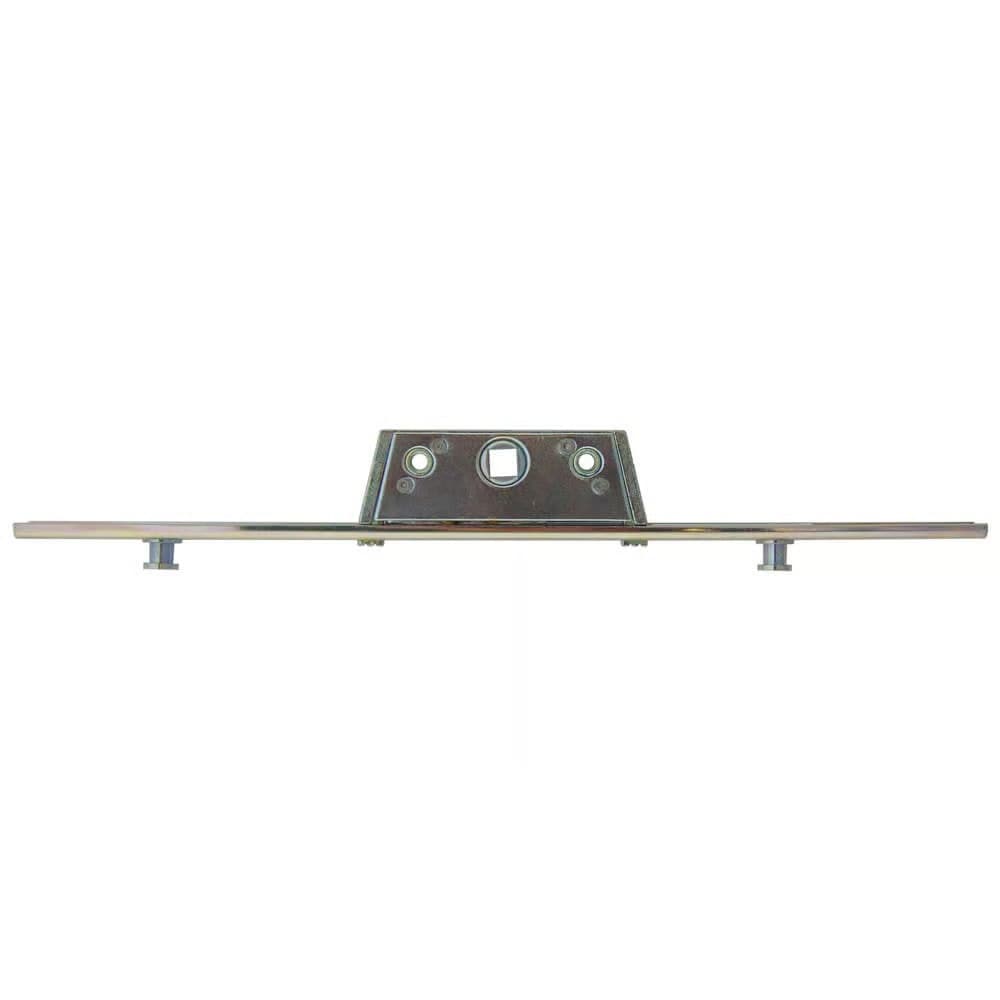
- In-Line Window Mechanism
- Offset Window Mechanism
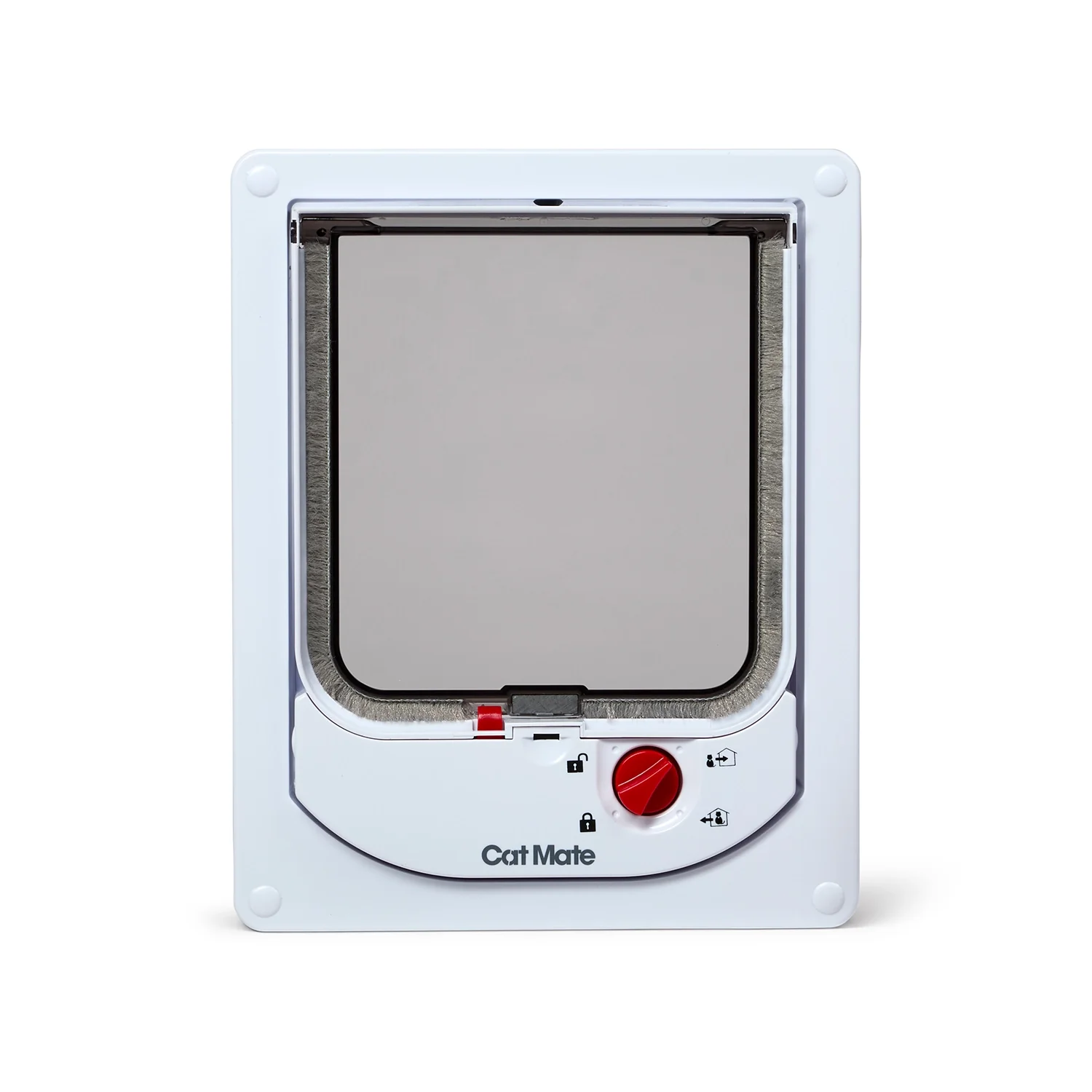
- Cat Mate Electromagnetic Cat Flap
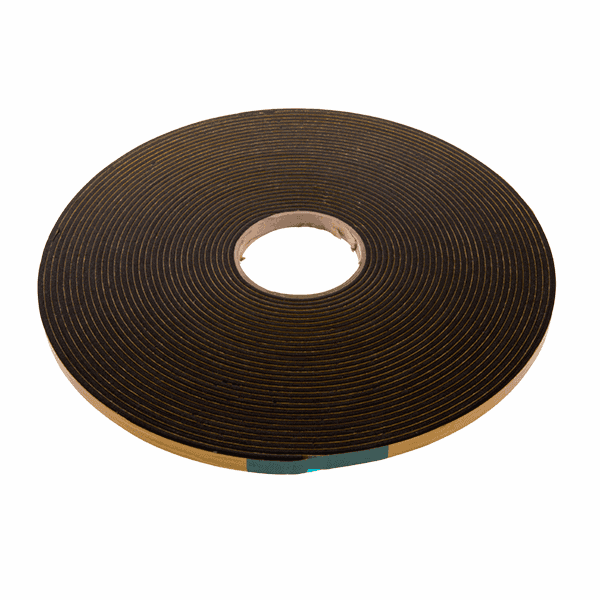
- Structural Glazing Tape - 20mm
- Security Glazing Tape
Conclusion and next steps
Fitting a cat flap for uPVC door can be a straightforward DIY job if the door is a simple hollow panel and you use a purpose-made flap and correct fixings. However modern uPVC and composite doors often contain reinforcement and integrated locking; cutting them without proper assessment can compromise security, insulation and warranties. If you are technically confident and have the right tools follow the measured workflow above; otherwise contact a specialist installer or consult your door manufacturer.
Next steps: inspect your door construction, measure for a suitable pet flap, and review manufacturer installation instructions. For more product choices and technical guides see our pet flap resources: /guides/pet-flaps. If you would like trade advice or recommended installers contact our sales team for specialist kits and fitting assistance.

Related articles
Rented Property Cat Flap Options: What Landlords Need to Know
Rented Property Cat Flap Options: What Landlords Need to Know Installing a cat flap in a rented property can improve tenant satisfaction but it raises ques...
Replacing uPVC Door Panels with Cat Flap Panels: A Cleaner Solution
Replacing a uPVC door panel with a purpose-made cat flap panel is a practical way to give pets easier access while keeping the rest of the door intact. Whe...
Dog Flap Insulation: Preventing Heat Loss Through Larger Pet Doors
Dog Flap Insulation: Preventing Heat Loss Through Larger Pet Doors Large dog flaps are convenient for owners and pets, but they create a significant therma...