
Do Microchip Cat Flaps Work with All Chip Types? Compatibility Guide
Do Microchip Cat Flaps Work with All Chip Types? Compatibility Guide Microchip cat flap technology is a popular choice for homeowners and tradespeople who ...
Do Microchip Cat Flaps Work with All Chip Types? Compatibility Guide
Microchip cat flap technology is a popular choice for homeowners and tradespeople who want secure selective access for pets. The short answer is: most modern cat flaps will work with the common ISO standard microchips used in the UK; however there are important exceptions and installation considerations that affect real-world compatibility and reliability.
Which microchip standards are common in the UK?
The majority of pet microchips in the UK conform to the ISO 11784/11785 standard; these are usually FDX-B chips operating at 134.2 kHz. Registered pets, post-2016, are typically implanted with ISO-compliant chips. Older or non-standard chips can use alternative protocols such as FDX-A, HDX or proprietary systems from specific manufacturers. Some collar tags and low-frequency 125 kHz RFID devices are entirely separate from the pet-microchip standard.
Do all microchip cat flaps read every chip type?
Most retail microchip cat flaps are designed to read ISO 11784/11785 FDX-B chips because that is the most widespread standard in the UK. A smaller number of models advertise multi-protocol compatibility: they can read FDX-B, FDX-A and HDX, or they accept external 125 kHz collar tags and programmable active tags as a backup. Always check the product specification for a clear list of supported chip protocols before purchase.
How to check your pet’s chip before buying a flap
- Scan at the vet: ask your vet to scan the cat and confirm the chip number and protocol. Many modern scanners display protocol type or at least confirm readability.
- Use a retail scanner: many pet shops and specialist retailers will scan your pet free of charge and can confirm compatibility.
- Check microchip paperwork: if you have registration documentation, the supplier or chip type may be listed; if uncertain, treat it as non-ISO until verified.
Installation and positioning matters for reliable reads
Even when the chip protocol is supported, poor read performance is often due to antenna positioning or installation choices. The microchip must pass within the read field of the flap’s antenna coil so correct placement of the flap and the cat’s approach path are crucial.
- Position the cat flap so the cat’s shoulders and neck pass close to the antenna; consider training the pet to approach centrally.
- A chip implanted unusually far forward, or a small/bony cat, can reduce range; test before cutting a door if possible.
- Metallic doors and metal frames can interfere with the antenna. When fitting to steel, aluminium or reinforced composite doors, use manufacturer-approved isolating plates or a specified installation kit.
- For glazed doors: fit specialist glass cat flaps or have the unit fitted into a sealed pane by a glazing professional; avoid cutting sealed units yourself as this can break seals and void warranties.
Trade and DIY advice for fitting microchip cat flaps
Whether you are a trade installer or a competent DIYer, follow these practical points to get a dependable installation:
- Test compatibility: before final installation, borrow or buy a model you can temporarily attach to the door to test chip reads. Some shops offer demo units or return policies for this purpose.
- Use templates and the right tools: manufacturers include cut-out templates; use jigsaws with fine blades or routers for neat cuts in timber and uPVC. For aluminium and composite doors, use the recommended fasteners and torque settings to avoid stripping threads.
- Reinforce when necessary: large cut-outs weaken door panels. Fit reinforcement plates and avoid cutting through integral lock channels or glazing beads.
- Seal and weatherproof: apply appropriate seals and flappers to avoid draughts; for external installations fit a rain cap or overhang where required.
- Battery versus mains: many microchip cat flaps run on batteries; if fitting to an external door exposed to winter cold, check battery life ratings and ease of replacement. Some higher-end models offer mains adaptors or hardwired options; route cables in line with building regulations and door hardware best practice.
- Programming: dealer setup or simple pairing may be needed; keep a log of authorised microchip numbers and test lockout functions on start-up and after battery changes.
When microchips are not compatible: solutions
If a pet has a non-ISO or rare proprietary chip, or the flap cannot reliably read the chip, there are several options:
- Use an authorised tag: buy a programmable collar tag or token that the cat wears; many flaps support 125 kHz tags or active tags as a fallback.
- Replace or add an ISO-compliant chip: discuss with the vet the implications; double implantation is occasionally used but requires professional veterinary advice regarding safety and registration.
- Choose a multi-protocol flap: some high-end models support a wider range of chip types and can be the best choice for multi-pet households with different implants.
Practical checks to perform after installation
- Walk the cat through the flap several times to confirm consistent reads at different approaches and speeds.
- Check read logs if the cat flap has logging; confirm the microchip numbers recorded match registrations.
- Inspect seals, fixings and any drilled cable entries after a week of use; vibrations and door movement can loosen screws.
- If interference or missed reads occur, experiment with repositioning the flap slightly or adding a guiding tunnel so the cat passes closer to the antenna.
Cost and warranty considerations for tradespeople
For trade installers, specify the correct model for the client’s chips and door type. Offer a pre-install scan as part of the quote. Note that warranty claims may be rejected if an incompatible or non-standard chip is forced; keep documented proof of compatibility checks and the chip ID used at handover.
Recommended Products
Based on this article, you may find these products helpful:
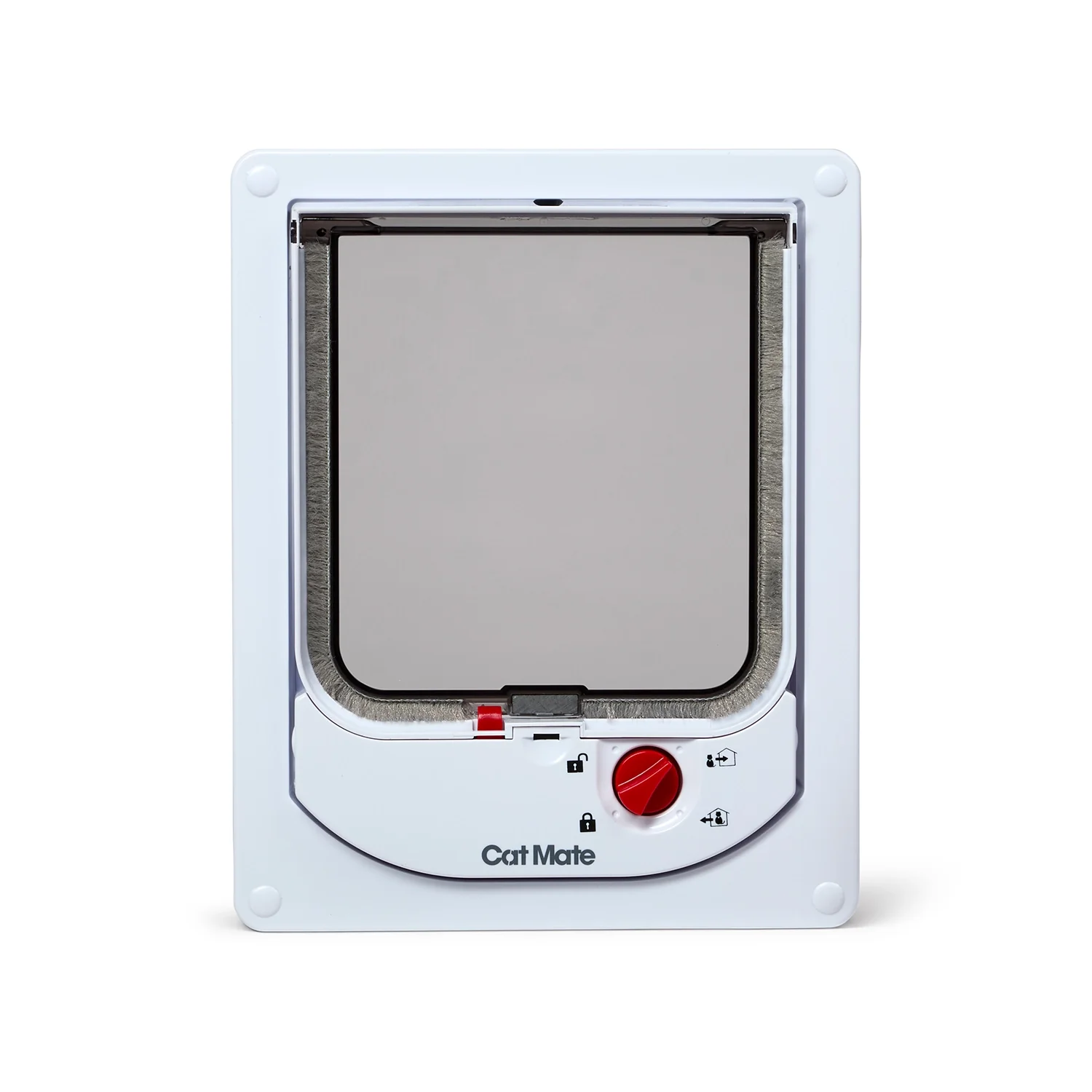
- Cat Mate Electromagnetic Cat Flap
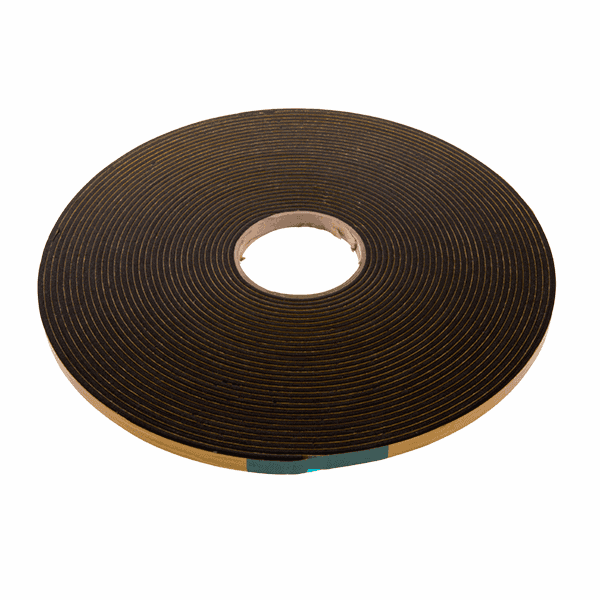
- E-Type Gasket - Black 5m Roll
- E-Type Gasket - Black (Per Metre)
- Structural Glazing Tape - 20mm
- Security Glazing Tape
Conclusion and next steps
Microchip cat flaps will work with most pets in the UK because ISO 11784/11785 FDX-B is widely used. However, compatibility depends on the chip protocol, antenna positioning and the door material. Before cutting a door: have the pet scanned, check the cat flap’s specifications, and test a demo unit when possible. For tradespeople, include chip verification in the quote and use manufacturer-recommended fixings and reinforcement plates. For more product options and fitting guidance visit our pillar resource on pet flaps at /guides/pet-flaps or contact our trade team for technical information and templates.
Products mentioned in this article
Related articles
Rented Property Cat Flap Options: What Landlords Need to Know
Rented Property Cat Flap Options: What Landlords Need to Know Installing a cat flap in a rented property can improve tenant satisfaction but it raises ques...
Replacing uPVC Door Panels with Cat Flap Panels: A Cleaner Solution
Replacing a uPVC door panel with a purpose-made cat flap panel is a practical way to give pets easier access while keeping the rest of the door intact. Whe...
Dog Flap Insulation: Preventing Heat Loss Through Larger Pet Doors
Dog Flap Insulation: Preventing Heat Loss Through Larger Pet Doors Large dog flaps are convenient for owners and pets, but they create a significant therma...