
Dog Flap Replacement: Signs It's Time for an Upgrade
Dog Flap Replacement: Signs It's Time for an Upgrade A dog flap is often one of the busiest pieces of hardware in a household; it endures weather, wear and...
Dog Flap Replacement: Signs It's Time for an Upgrade
A dog flap is often one of the busiest pieces of hardware in a household; it endures weather, wear and tear, and a fair amount of brute force. Whether you are a homeowner managing occasional DIY jobs or a trade professional advising customers, recognising the signs that a dog flap needs replacing will save money, improve security and maintain your door or window's integrity. Below are practical indicators, technical notes and step-by-step advice for replacement and upgrades.
Common signs a dog flap needs replacing
- Difficulty opening or closing: If the flap sticks, jams or fails to swing freely, seals or magnets are often worn; this increases strain on the frame and will worsen over time.
- Damaged or cracked frame: Visible cracks, splits or warped plastic mean the structural integrity is compromised; water ingress and draughts are likely.
- Drafts and increased energy bills: Poor seals or deformed flaps reduce thermal performance; you may notice cold spots near the unit or higher heating costs.
- Security issues: Broken locks, loose fixings, or flaps that can be forced open are security risks; trade-standard multi-mode locks or reinforced frames may be required.
- Size mismatch for pet: If your dog has grown or you now have a different pet, an incorrectly sized flap causes discomfort and damage from repeated scratching and forcing.
- Water ingress or condensation: Damage to seals or incorrect installation in glazed units can permit water to penetrate; this may cause timber rot or fogging in double glazing.
- Visible wear to the seal or brush pile: Compression set in rubber seals and frayed brushes lose weatherproofing ability; they are often inexpensive to replace but point to ageing hardware.
- Noise and rattling: Loose frames or fixings can cause noise when wind hits the flap; it also indicates fatigue in the mounting.
Material and hardware considerations
Dog flaps are available in a variety of materials and locking options. PVC and aluminium frames are common for doors; acrylic or toughened plastic flaps are standard for durability. For glazed doors you may encounter glass-integrated flaps designed for sealed units. Consider the following when deciding on a replacement:
- Seal type: Magnetic seals provide a tight close; replace if magnets weaken. Brush pile and flexible rubber seals provide draught-proofing; ensure compatibility with the new frame.
- Locking modes: Two-way, in-only, out-only and fully locked modes offer security; for multi-dog households consider flaps with microchip control to restrict access.
- Reinforcement: High-security options include stainless steel backplates and tamper-resistant fixings; essential where forced entry has been a concern.
- Door material compatibility: uPVC, timber and composite doors require different fixings and reinforcement; ensure the chosen unit is rated for the substrate.
DIY replacement: when it is appropriate and how to proceed
Many straightforward replacements can be completed by a competent DIYer. Replacing a like-for-like flap in an existing door is usually the simplest job; installing a new flap into a glazed unit or structural wall is more involved and often best left to a professional. Follow these practical steps for a safe, durable DIY swap:
- Measure accurately: Record the existing cut-out dimensions and the thickness of the door leaf or glazing unit. Check the pet's shoulder height and add space for comfort.
- Gather tools: You will typically need a power drill, jigsaw or router, hole saws, chisels, a spirit level, tape measure, silicone sealant, stainless steel screws and PPE including safety glasses and a dust mask.
- Remove the old unit: Unscrew fixings and gently prise out the frame; take care not to damage surrounding seals. Keep old fixings as references for screw length and type.
- Prepare the aperture: Clean cut edges and remove any old sealant. If routing or cutting is required, clamp a template and work slowly; use a router for neat, accurate edges in timber or composite doors.
- Dry fit the new flap: Check alignment and ensure the flap swings freely. Adjust or trim as necessary before applying sealant.
- Seal and fix: Apply a continuous bead of neutral-cure silicone or compatible sealant, install the frame and fix with stainless steel screws to avoid corrosion. Use tamper-proof fixings if security is a concern.
- Test operation: Check locking modes, magnet strength and that seals compress evenly. Lubricate hinges with a silicone spray if needed and trim brush piles to ensure no drag on the flap.
When to call a trade professional
Call a glazier or joiner when the dog flap needs fitting into sealed double glazing, when the door is a composite or fire-rated unit, or when structural cutting into a wall is required. Trade professionals can:
- Replace glass units to accommodate a glass-integrated flap without compromising insulating glass units;
- Supply reinforced frames and high-security locking systems suitable for composite doors;
- Ensure compliance with manufacturer warranties and any building regulations where relevant.
Maintenance tips to prolong life
- Regularly clean seals and brush piles and clear debris to avoid premature wear.
- Check and tighten fixings seasonally; replace corroded screws with stainless steel alternatives.
- Lubricate hinges and magnetic catches annually with silicone spray to maintain smooth operation.
- Inspect for condensation in glazed units; persistent fogging indicates seal failure and may require glass unit replacement rather than flap replacement.
Recommended Products
Based on this article, you may find these products helpful:
- Structural Glazing Tape - 20mm
- Security Glazing Tape
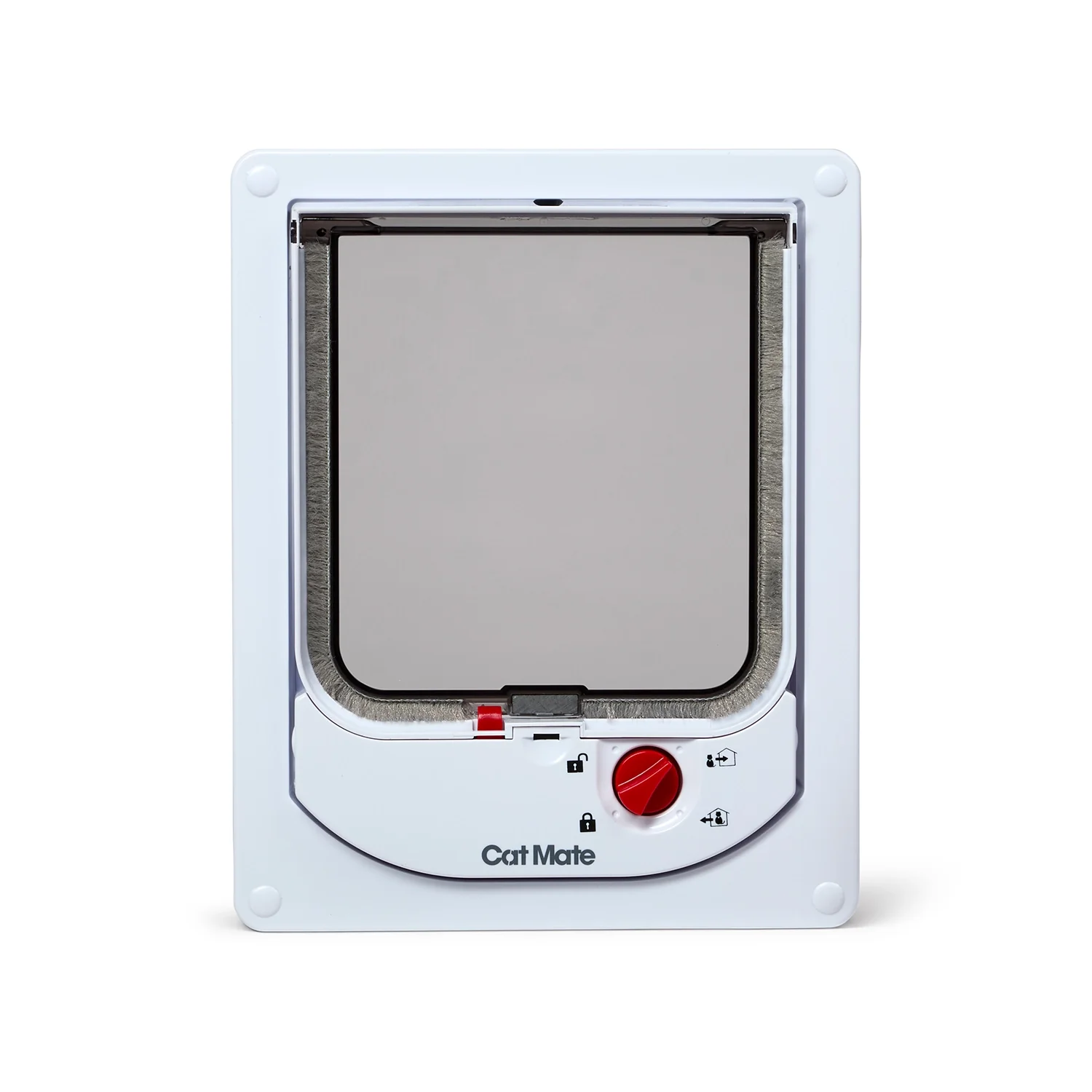
- Cat Mate Electromagnetic Cat Flap
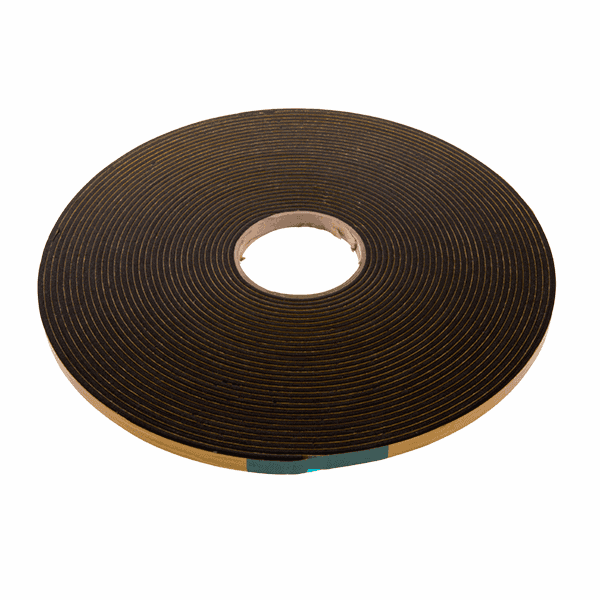
- E-Type Gasket - Black 5m Roll
- E-Type Gasket - Black (Per Metre)
Conclusion and next steps
Recognising the signs that a dog flap needs replacing will protect your property's security, insulation and the comfort of your pet. Start by assessing the visible wear, operation and compatibility with your door or glazing. For simple like-for-like replacements most competent DIYers can complete the job; for glazed units, composite doors or high-security requirements consult a trade professional. For detailed options and trade-grade products visit our pet flaps pillar page: /guides/pet-flaps or contact Window Hardware Store for advice, parts and professional installation partners.
Products mentioned in this article
Related articles
Rented Property Cat Flap Options: What Landlords Need to Know
Rented Property Cat Flap Options: What Landlords Need to Know Installing a cat flap in a rented property can improve tenant satisfaction but it raises ques...
Replacing uPVC Door Panels with Cat Flap Panels: A Cleaner Solution
Replacing a uPVC door panel with a purpose-made cat flap panel is a practical way to give pets easier access while keeping the rest of the door intact. Whe...
Dog Flap Insulation: Preventing Heat Loss Through Larger Pet Doors
Dog Flap Insulation: Preventing Heat Loss Through Larger Pet Doors Large dog flaps are convenient for owners and pets, but they create a significant therma...