
Dog Flap Security Concerns: Keeping Your Home Safe with a Larger Opening
Fitting a larger dog flap can be a huge convenience for busy households and working tradespeople who keep pets; however it brings security concerns that re...
Fitting a larger dog flap can be a huge convenience for busy households and working tradespeople who keep pets; however it brings security concerns that require careful planning. A generous opening increases the chance that an intruder could exploit the aperture or that the thermal and weather performance of a door or window will be compromised. This post outlines practical trade advice and DIY guidance for keeping homes safe while accommodating a larger pet access point.
Common security risks with a larger dog flap
Increasing the size of a dog flap raises several potential issues for homeowners and installers to consider:
- Unauthorised access: a larger aperture can allow a person to reach through or reduce the effort needed to bypass a door or window lock.
- Structural weak points: cutting into doors or glazing can reduce resistance to forced entry if the surrounding material is not reinforced.
- Compromised glazing units: fitting a pet flap into double glazing without replacing the insulated glass unit can void seals and weaken security.
- Energy loss and draughts: bigger flaps can increase heat loss unless the chosen product has strong seals and appropriate glazing or insulation.
- Pests and weather ingress: larger openings are more susceptible to rodents and rain if not correctly sealed or protected.
Choosing the right dog flap for security
Selecting an appropriate unit is the first line of defence. Consider the following options and features:
- Microchip/RFID-controlled flaps: these open only for registered pets; they prevent other animals and opportunistic intruders from entering through the flap.
- Mechanical multi-mode locks: many flaps offer four-way locking: in only, out only, both ways, or fully locked. Use the fully locked mode at night or when the property is empty.
- Reinforced aluminium frames: for larger flaps, a robust aluminium frame distributes load and resists flexing compared with thin plastic frames.
- Security-rated models: look for flaps advertised with anti-tamper features such as metal locking bars or heavy-duty latches.
- Glass-integrated options: where a flap is required in glazed doors, consider a replacement insulated glass unit with the flap factory-fitted; this preserves the thermal and security performance of the glazing unit.
Trade advice: specifying and fitting larger pet flaps
Trade professionals should follow best practice to maintain door performance and comply with manufacturers' warranties:
- Consult the door manufacturer: especially for composite and certified doors; some warranties may be voided by cutting the door. Many manufacturers supply compatible pet flaps or offer a cut-down service.
- Use a purpose-made reinforced backplate: when fitting into uPVC or thin panels, install a metal backing plate to stop the frame from distorting and to spread forces away from the cut edge.
- Replace the sealed unit for glazing installations: rather than cutting an existing IGU, remove and replace it with a unit that has the flap factory-fitted; this keeps the unit sealed and uses appropriate glass: toughened or laminated where required for security.
- Consider lock position and handle reach: do not locate a dog flap near lock hardware or handles; a larger opening close to these elements could allow manipulation of internal locks.
- Specify cylinder protection: where the dog flap is installed in a door with a euro cylinder, fit an anti-snap, anti-bump cylinder and a cylinder guard to reduce forced-entry risk.
DIY guidance: safe installation steps for competent homeowners
If you are a competent DIYer planning to fit a larger dog flap, follow these practical steps; seek professional help for composite doors and sealed-unit glazing:
- Measure and mark carefully: position the flap centrally in the lower panel and ensure the cut-out does not interfere with reinforcements, wiring, or glazing beads.
- Use the manufacturer template: transfer the exact template to the door; an accurate cut prevents uneven gaps that reduce security and weatherproofing.
- Choose the right tools: a jigsaw with a fine-tooth blade or a router for clean edges; use a drill to make starter holes for jigsaw blades.
- Fit a backing plate and fixings: secure the flap frame to the backing plate with the correct torque on fixings to avoid splitting or flexing the door material.
- Seal and insulate: apply suitable weather seals and run a bead of exterior-grade silicone where recommended to prevent draughts and water ingress.
- Test locking modes and adjust: ensure locks operate smoothly and set the flap to the secure mode when required; check that microchip recognition is reliable over the whole aperture.
Additional hardware and reinforcement options
There are products and techniques tradespeople can use to increase security around a larger opening:
- Steel security collars: fit around the inside frame to prevent forced removal or levering out of the flap.
- Internal locking bars: some flaps accept a removable rod to brace the panel from the inside when extra security is required.
- Alarm contacts: integrate the flap into a home alarm system so the flap opening triggers a zone alert if opened unexpectedly.
- Laminated glazing upgrades: where security is a primary concern for a glazed door, specify laminated inner panes to resist intrusion.
- External covers and flyscreens: for punctuation-level protection when you need ventilation but not full access, consider an additional grill or cover.
Practical tips for homeowners and tradespeople
Keep these practical points in mind when evaluating a larger dog flap installation:
- Balance size with security: choose the smallest flap that accommodates your pet comfortably to reduce vulnerability.
- Check warranties and insurance: notify your insurer and confirm any fitting does not affect cover; consult door manufacturers about warranty implications.
- Maintain electronics and seals: microchip readers and weather seals should be checked and serviced to sustain security and performance.
- Plan for future replacement: design the installation so the flap can be easily upgraded or replaced as better security products become available.
- Refer to specialist resources: further technical details on pet-flap options and installations can be found at our pillar page: /guides/pet-flaps.
Recommended Products
Based on this article, you may find these products helpful:
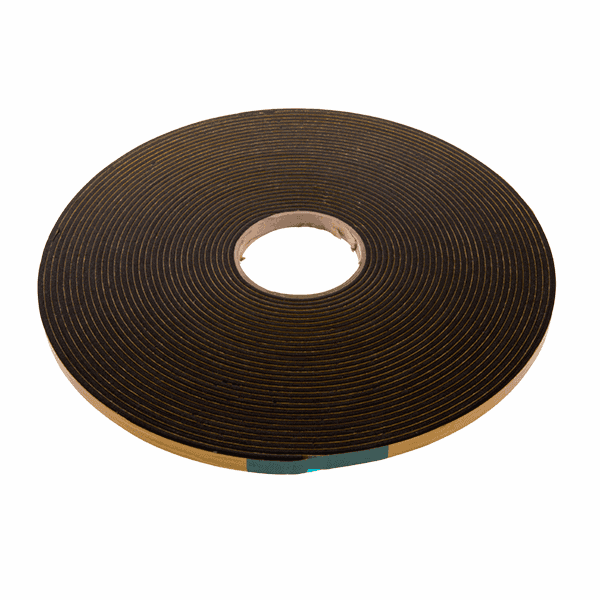
- Structural Glazing Tape - 20mm
- Security Glazing Tape
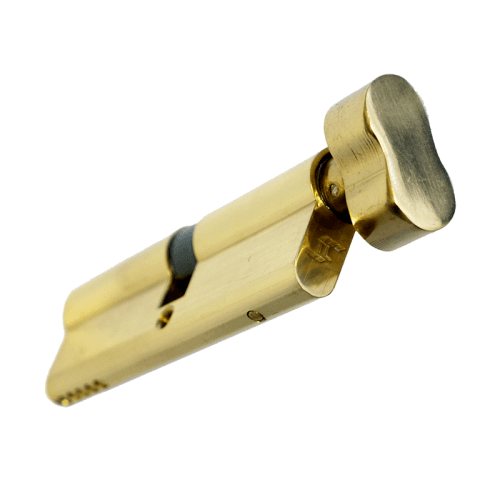
- TL Thumb Turn Euro Cylinder
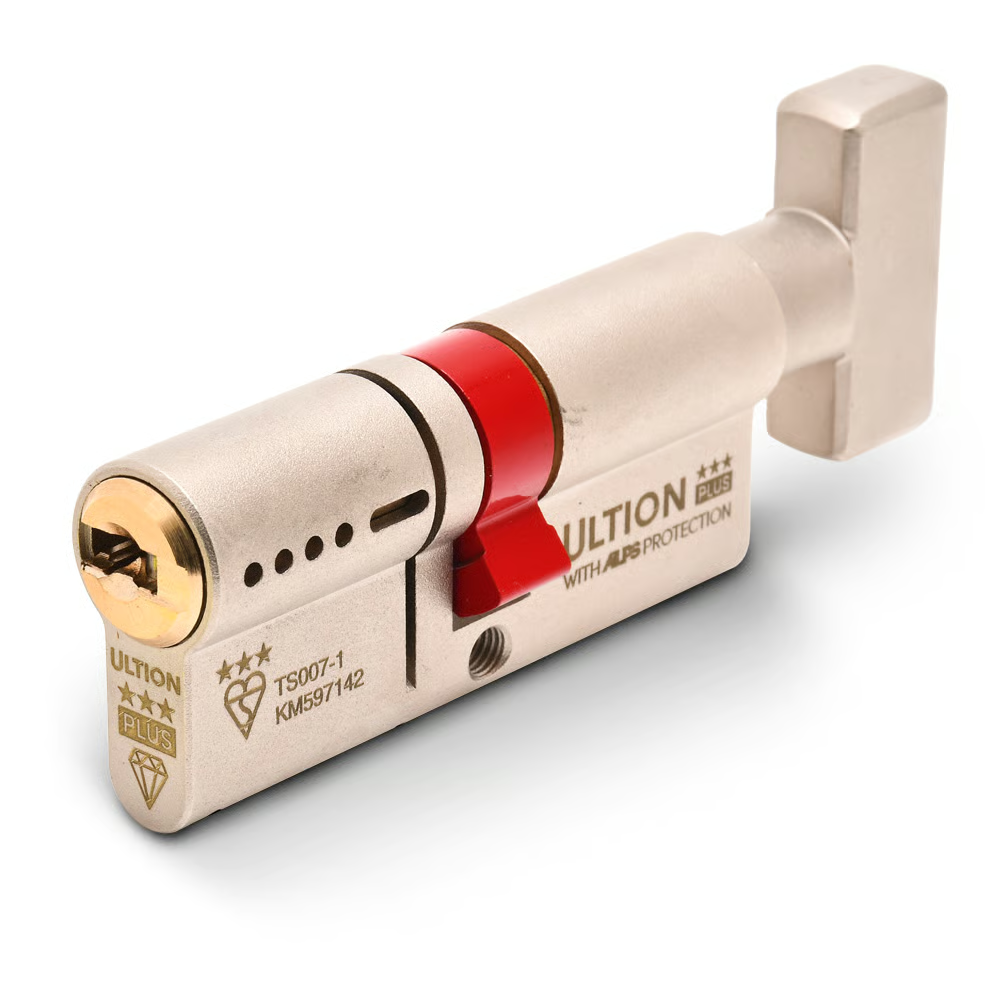
- Ultion Plus TS007 3* Kitemarked Euro Key & Turn Cylinder
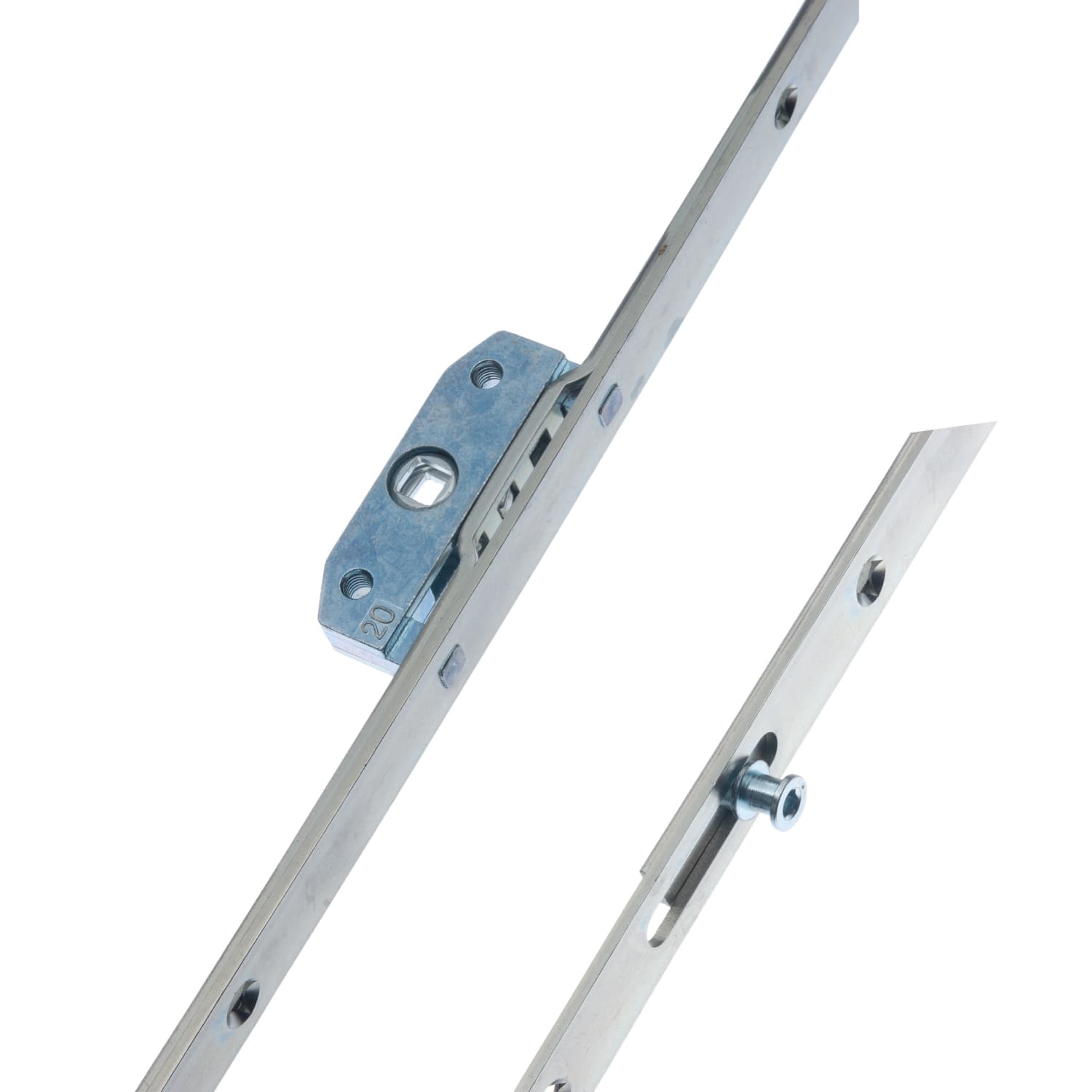
- ERAB Espagnolette Window Lock Universal Lock Replacement
Conclusion: next steps to secure a larger dog flap
A larger dog flap need not be a security liability provided you select the right product, reinforce the surrounding structure, and follow professional installation practices. For tradespeople: specify reinforced frames, backing plates, and factory-fitted glazed units where appropriate. For homeowners: choose microchip-controlled and multi-mode locking flaps, and consult manufacturers or a reputable fitter before cutting composite doors or sealed units. If you are unsure, contact a specialist installer to survey the door or window and recommend the safest option for your property.
Related articles
Rented Property Cat Flap Options: What Landlords Need to Know
Rented Property Cat Flap Options: What Landlords Need to Know Installing a cat flap in a rented property can improve tenant satisfaction but it raises ques...
Replacing uPVC Door Panels with Cat Flap Panels: A Cleaner Solution
Replacing a uPVC door panel with a purpose-made cat flap panel is a practical way to give pets easier access while keeping the rest of the door intact. Whe...
Dog Flap Insulation: Preventing Heat Loss Through Larger Pet Doors
Dog Flap Insulation: Preventing Heat Loss Through Larger Pet Doors Large dog flaps are convenient for owners and pets, but they create a significant therma...