
Dog Flap Sizing Guide: How to Choose the Right Size for Your Breed
Dog Flap Sizing Guide: How to Choose the Right Size for Your Breed Choosing the right dog flap is more than picking a size label; it means matching apertur...
Dog Flap Sizing Guide: How to Choose the Right Size for Your Breed
Choosing the right dog flap is more than picking a size label; it means matching aperture dimensions, weight limits and installation type to the breed and the door or wall you will fit it into. This guide gives clear measuring steps, practical trade tips and hands-on DIY advice for UK homeowners and installers working with uPVC, composite doors, glazing panels and walls.
Why correct sizing matters
A correctly sized dog flap ensures comfortable passage, reduces damage to the frame and improves security and thermal performance. Too small a flap forces awkward manoeuvres; too large a cut can compromise the door structure or insulated glazing. Also consider your dog’s current measurements and any expected growth or weight gain when choosing a size.
How to measure your dog
- Width: measure the widest part of the chest or shoulders with the dog standing naturally; this is the critical width for the aperture.
- Height: measure from floor level to the top of the shoulder or the highest point of the back when the dog is passing through; allow extra height for head clearance if the dog tends to lower or raise its head.
- Weight and build: check the flap manufacturer’s maximum weight rating; some electronic or spring-loaded flaps have limits that smaller breeds exceed or larger dogs surpass.
- Allowances: add 2 to 4 cm to width and height for comfort; if the dog is still growing, choose the next size up.
Typical flap sizes and breed examples
Manufacturers vary, but use these approximate internal aperture sizes as a guide; always check the product template before cutting:
- Small (cats and small dogs): around 130–170 mm wide x 170–210 mm high — suitable for cats, terriers and toy breeds.
- Medium (small to medium dogs): around 170–210 mm wide x 210–260 mm high — suits spaniel types, jack russells and cockers.
- Large (medium to large dogs): around 210–260 mm wide x 260–360 mm high — suitable for collies, springers and beagles.
- Extra Large (large breeds): around 260–360 mm wide x 360–430 mm high — suitable for labradors, staffordshire bull terriers, retrievers and similar breeds.
These are approximate. For breeds with broad chests, use the chest width measurement; for long-backed breeds, check height carefully. If in doubt, choose the next size up rather than down.
Installation considerations by door and wall type
- uPVC doors: many trade doors have pre-reinforced panels. Use the manufacturer’s template and screw into the reinforcement ribs where possible; avoid large unsupported cuts that weaken the core.
- Composite doors: these have solid or foam cores and metal reinforcement. Use only flaps approved for composite doors or employ a specialist fitter; incorrect cutting can compromise security and insulation and may void the door warranty.
- Glazed panels and double-glazed units: cutting an existing sealed unit is not recommended; the correct solution is to replace the glazed panel with a unit containing a pet flap or install a pet-flap ready unit; a glazier should handle glass work.
- Masonry and cavity walls: use a tunnel or sleeve system when routing through the wall; consider insulation and weatherproofing, avoid disturbing damp-proof courses and locate services before coring.
- Doors with thresholds and steps: position the bottom of the flap to allow comfortable access; remember external step heights and rain run-off when siting the unit.
Security, draught-proofing and electronics
Choose features based on security and energy economy needs:
- Manual locks: 2-way and 4-way locking systems give manual control over in/out access; suitable for higher security requirements.
- Magnetic seals and brush strips: help reduce draughts; use flaps with strong magnetic closure for thermal performance.
- Microchip or RFID flaps: prevent other animals entering; check weight limits and battery life; consider models with built-in locking for added security.
- Reinforced panels and anti-squeeze features: for larger breeds and high-traffic locations pick products with robust frames and anti-choke designs.
Practical trade and DIY tips
- Always use the supplied template: manufacturers provide accurate templates for the cut-out; follow screw positions and reinforcement notes precisely.
- Check for hidden reinforcements and cables: probe door cores and use a detector for metal and cables before cutting; when in doubt, remove the inner panel to inspect.
- Seal and finish: use suitable exterior-grade silicone around the frame; on masonry use a sleeve and foam backing to maintain insulation; apply a brush seal for skirting edges where needed.
- Power tools: for timber and composite doors a jigsaw and plunge router produce neat cuts; for masonry coring use a hammer drill and core bit; for glass work always use a glazier.
- Test operation: after fitting, check that the flap swings freely, returns to closed position, and that any magnetic seals align; test locking mechanisms and, where applicable, electronics with the pet present.
- Keep a spare: tradespeople should recommend keeping a spare flap panel or seal kit on site for rapid replacement.
Common mistakes to avoid
- Under-sizing the aperture and expecting the dog to squeeze; leads to damage and behavioural issues.
- Cutting sealed glazing or composite cores without consulting the manufacturer; this can void warranties and reduce security.
- Ignoring weight and activity level when selecting spring-tensioned flaps; high-energy dogs may damage lightweight flaps quickly.
- Poor weatherproofing around wall tunnels; water ingress and heat loss are frequent consequences of inadequate sealing.
Recommended Products
Based on this article, you may find these products helpful:
- In-Line Window Mechanism
- Offset Window Mechanism
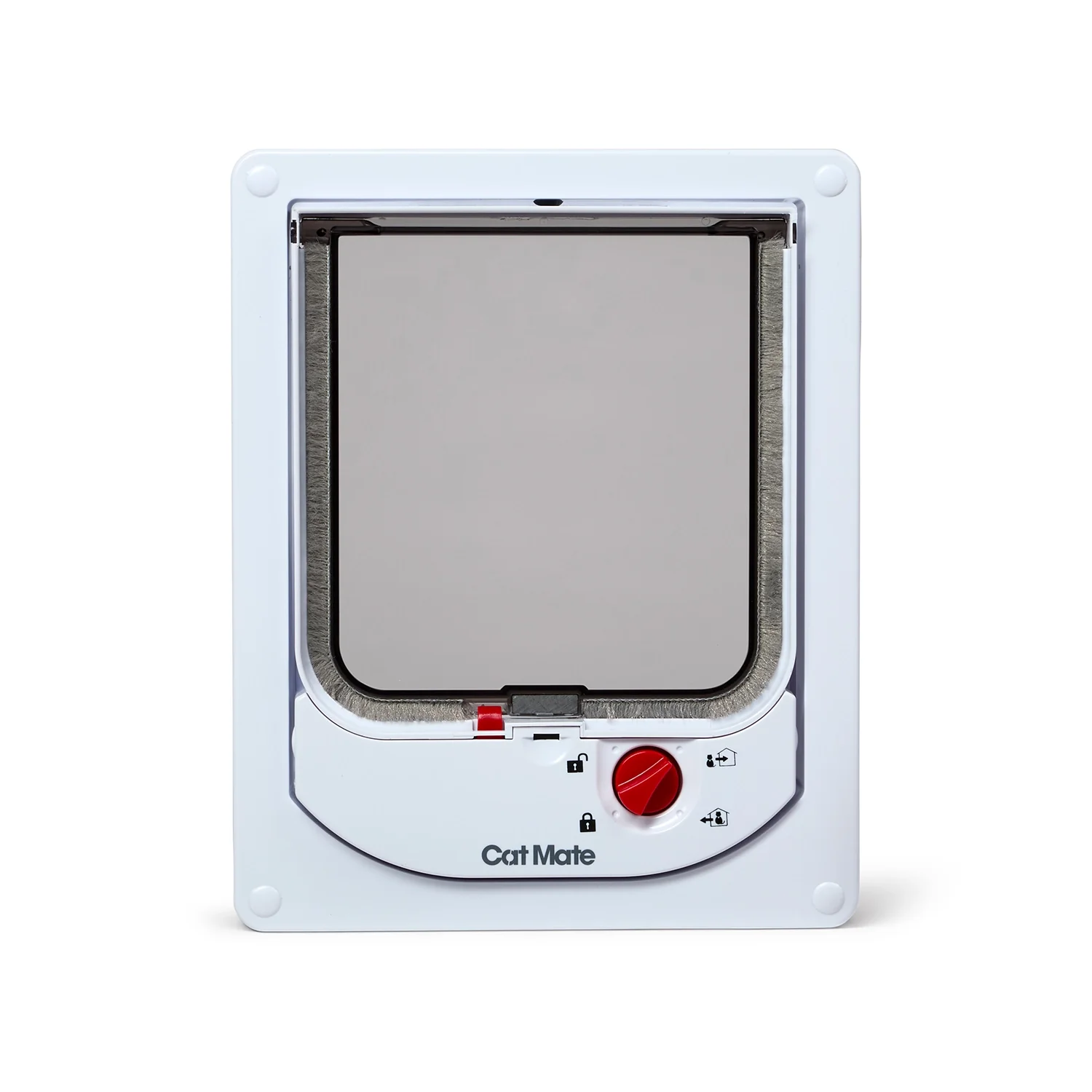
- Cat Mate Electromagnetic Cat Flap
- E-Type Gasket - Black 5m Roll
- E-Type Gasket - Black (Per Metre)
Conclusion and next steps
Correct dog flap selection starts with accurate measurements of width, height and weight, combined with a clear understanding of the door or wall material. For tradespeople, always use templates, confirm reinforcement locations and follow manufacturer recommendations. Homeowners should consider professional fitting for composite doors and glass panels to maintain warranty and safety.
Next steps: measure your pet using the steps above, consult product templates for exact aperture sizes, and review pet flap options at our pet flaps hub: /guides/pet-flaps. For technical queries or trade pricing, contact our specialist team to arrange templates, site advice or a professional fitting service.
Products mentioned in this article

Related articles
Rented Property Cat Flap Options: What Landlords Need to Know
Rented Property Cat Flap Options: What Landlords Need to Know Installing a cat flap in a rented property can improve tenant satisfaction but it raises ques...
Replacing uPVC Door Panels with Cat Flap Panels: A Cleaner Solution
Replacing a uPVC door panel with a purpose-made cat flap panel is a practical way to give pets easier access while keeping the rest of the door intact. Whe...
Dog Flap Insulation: Preventing Heat Loss Through Larger Pet Doors
Dog Flap Insulation: Preventing Heat Loss Through Larger Pet Doors Large dog flaps are convenient for owners and pets, but they create a significant therma...