
Double Glazing Supplies Checklist: Everything You Need for a Window Repair
Double glazing supplies: a complete checklist can save time, money and hassle whether you are a homeowner fixing a trapped sash or a trade professional pre...
Double glazing supplies: a complete checklist can save time, money and hassle whether you are a homeowner fixing a trapped sash or a trade professional preparing for a full window overhaul. This post lists the parts, tools and best-practice checks you will need for common window repairs, from replacing a failed sealed unit to refitting hinges and renewing seals. Where appropriate the notes separate DIY-friendly tasks from jobs that normally need a glazier or joiner.
Essential materials for glazing and seal replacement
For work on sealed units, glass and weatherproofing, collect the following items before you start:
- Replacement sealed units (IGUs) sized to tolerance; include correct glass type and spacer bar finish
- Glazing beads or stops compatible with the frame material: uPVC, timber or aluminium
- Compression or bulb gaskets for uPVC and rubber seals for timber and aluminium
- Perimeter sealant: neutral cure silicone for aluminium and recommended uPVC-compatible sealants for plastic frames
- Glazing packers and shims: plastic or nylon packers to set the glass in the rebate correctly
- Desiccant-filled spacer bars are supplied with IGUs; do not reuse damaged sealed units
Spare hardware and mechanical parts
Windows fail mechanically more often than they fail structurally. Stock or order the right parts for the frame and locking system you are servicing:
- Hinges and friction stays: choose the correct length and weight rating for casement and top-hung windows
- Espagnolette and centre locks: check the backset and handle spindle size before ordering
- Multipoint lock keeps/strikers and shootbolts for doors and larger windows
- Handles and lever/locksets: left- and right-handed variants, and lockable handles where required
- Sash balances and weights for vertical sliding units
- Window stays and restrictors for safety and childproofing
- Fixings: stainless steel screws for external use, self-tapping screws for uPVC, and pop rivets for aluminium
Tools and consumables to have on-site
Good tools speed work and reduce the risk of damage. For glazing and hardware work bring these items:
- Measuring tape, spirit level and a set square for accurate layout
- Power drill with screwdrivers, and a rivet gun for aluminium
- Silicone gun and a selection of sealant cartridges; masking tape for neat joints
- Glass handling kit: suction cups, gloves and a glass lifter for larger panes
- Hand tools: chisel, hammer, utility knife, centre punch and wood chisels for timber repairs
- Torque driver or adjustable spanner for hardware adjustments; Allen keys for many modern handles
- Cleaning materials: isopropyl alcohol, lint-free cloths and glass cleaners
Safety, PPE and diagnostics
Always plan risk controls before starting a repair. Common safety items and diagnostic steps include:
- PPE: gloves, safety glasses, cut-resistant gloves for glass work and dust masks for any cutting or rubbing back
- Temporary protection: board over openings or use heavy-duty plastic and tape if you remove a sealed unit
- Check for lead-based paint on older timber frames and asbestos in surrounding work; stop and get specialist advice if suspected
- Diagnose the fault: is the problem fogging inside the sealed unit, a failed hinge, faulty locking mechanism or a draught from degraded seals? Accurate diagnosis prevents unnecessary parts replacement
Practical tips for measuring and ordering parts
Ordering the right double glazing supplies first time avoids delays. Use these trade-tested tips:
- Measure opening sizes twice and record width by height; for sealed units order nominal dimensions with the correct tolerance explained by the glass supplier
- Photograph hardware with handles and locks removed where possible; include codes stamped on locks or hinges
- Note handedness and frame type: uPVC sash, timber casement or aluminium curtain wall components are not interchangeable
- Consult manufacturer or profile diagrams for uPVC parts; many suppliers list part numbers linked to common profiles
- When replacing sealed units consider U-value or glass coating requirements for conservation areas and Building Regulations
DIY-friendly jobs versus tasks for professionals
Many small repairs are suitable for competent DIYers; others require a trained tradesperson due to safety, structural or warranty concerns:
- DIY-friendly: replacing handles, draught excluders, simple hinge realignment, renewing external bead sealant, and fitting new glazing beads on accessible windows
- Prefer a professional for: replacing sealed units on high or awkward windows, repairing complicated multipoint locking systems, full sash or frame replacements, and any job that affects fire egress or structural integrity
- When in doubt take photos and consult a reputable supplier or glazier; many trade suppliers can match part numbers remotely
Where to source double glazing supplies
Choose a supplier that stocks profile-compatible parts, accredited hardware and can advise on technical matters. Trade suppliers often hold more specialised items than general hardware stores. For a comprehensive list and product matching visit our pillar page: /guides/double-glazing-supplies.
Recommended Products
Based on this article, you may find these products helpful:
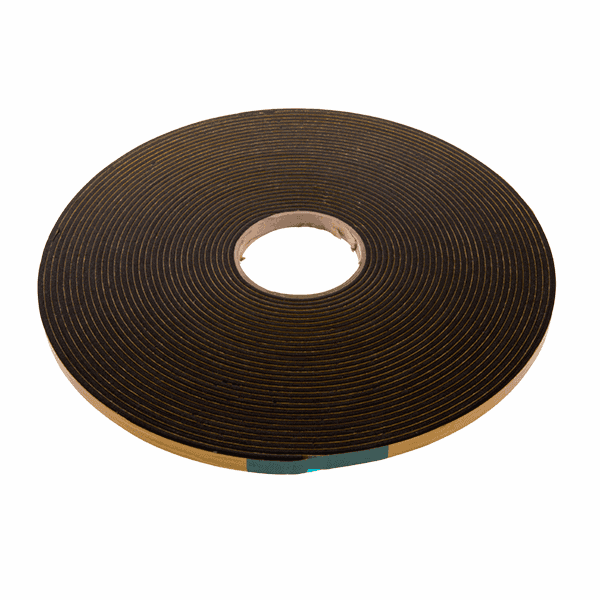
- Structural Glazing Tape - 20mm
- Security Glazing Tape
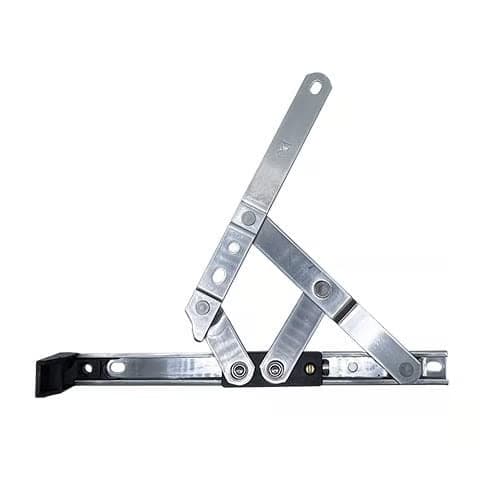
- Top Hung Friction Stay - 12"
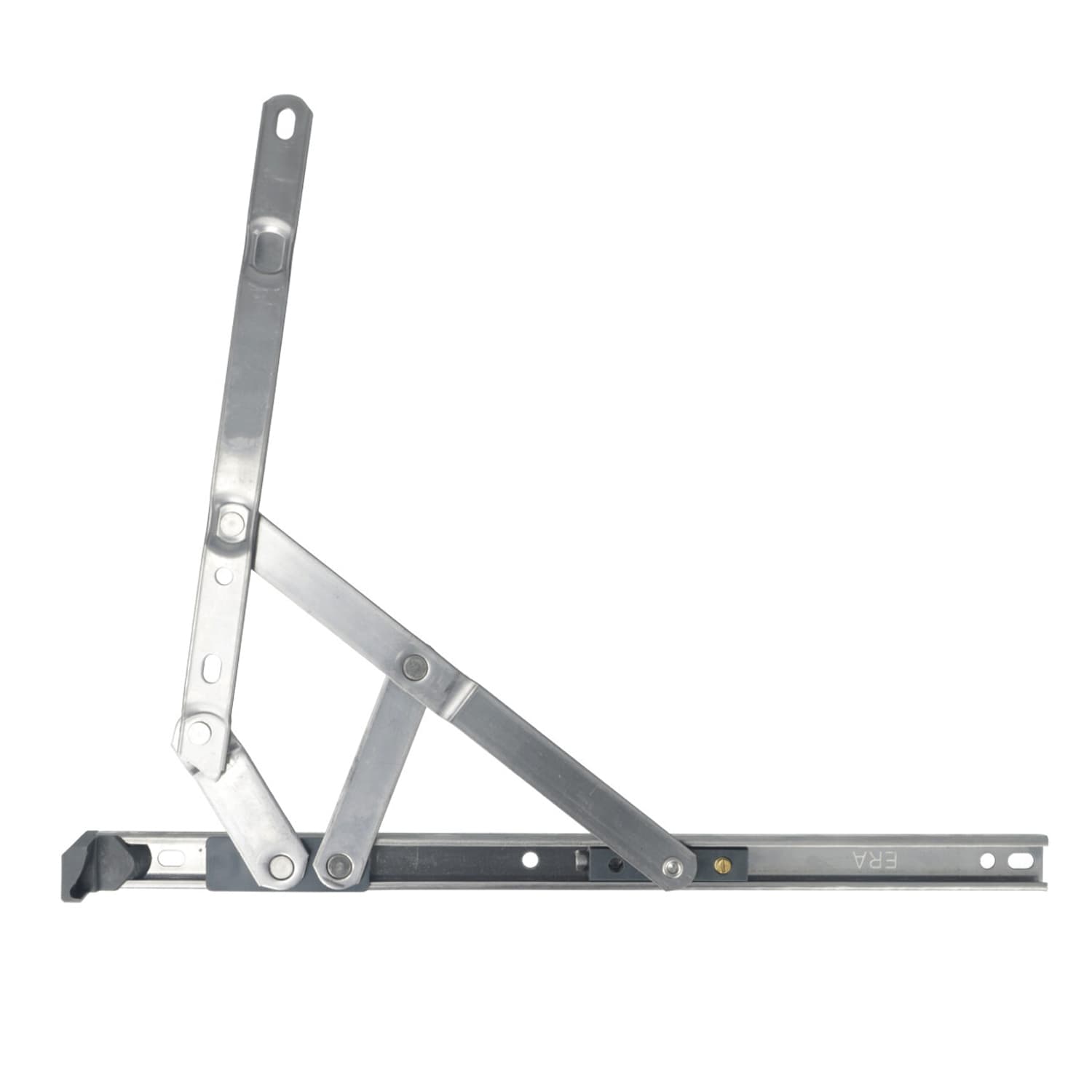
- ERA Egress (Fire escape) Friction Stay
- TSS Standard Friction Stays – 13mm & 17mm Stack Height
Conclusion and next steps
Use this checklist to gather the correct double glazing supplies before starting a repair. Start by diagnosing the fault and photographing existing hardware; order parts with accurate measurements and the correct handedness. If the job involves sealed units at height, structural alterations or complex locking systems; book a professional glazier or joiner. For parts, product advice and technical drawings contact a trade supplier with experience in uPVC, timber and aluminium systems; carrying a few common spares can prevent return visits and speed up repairs.
Products mentioned in this article
Related articles
How Old uPVC Window Parts Differ from Modern Replacements
How Old uPVC Window Parts Differ from Modern Replacements Older uPVC windows fitted in the 1980s and 1990s were robust for their time, but the components u...
Glazing Tools Safety Guide: Avoiding Common Injuries
Glazing Tools Safety Guide: Avoiding Common Injuries Working with glazing tools carries a real risk of cuts, crushed fingers and slips when handling panes ...
How to Maintain Your Glazing Tools for Longer Life
How to Maintain Your Glazing Tools for Longer Life Whether you are a trade glazier or a DIY homeowner replacing a pane, well‑maintained glazing tools save ...