
Double Glazing Supplies Explained: A Beginner's Guide to Window Components
Double Glazing Supplies Explained: A Beginner's Guide to Window Components Whether you are a homeowner researching replacement windows or a trade professio...
Double Glazing Supplies Explained: A Beginner's Guide to Window Components
Whether you are a homeowner researching replacement windows or a trade professional stocking parts, understanding double glazing supplies will help you specify, fit and maintain windows correctly. This article outlines the principal components, common hardware, and practical advice for installation and servicing in the UK market.
What is meant by double glazing supplies
Double glazing supplies cover the elements required to make and install insulated glazed units and the frames that hold them. That includes sealed units, gaskets, glazing beads, frames, handles, hinges, locking hardware, weather seals, trickle vents and cills. For installers and DIYers it also covers consumables such as sealants, packers and screws. Knowing the parts by name avoids costly mistakes when ordering spares or replacement units.
Core components of a double glazed unit
An insulated glazed unit, often called an IGU, is more than two panes of glass. Typical elements are:
- Outer and inner glass panes: can be float, toughened, laminated or acoustic depending on performance needs.
- Spacer bar: separates the panes and creates the cavity; choose warm-edge spacers to reduce condensation risk.
- Desiccant: inside the spacer to absorb moisture from the cavity.
- Seals: primary seal (butyl) and secondary seal (polysulphide, silicone or polyurethane) to maintain the hermetic seal.
- Gas fill: argon or krypton is often used to improve thermal performance compared with air.
Frame types and material considerations
Frames are typically uPVC, aluminium or timber. Each material requires different hardware and fixing methods:
- uPVC: popular for domestic replacements; compatible with most multipoint locks and espagnolette mechanisms. Use stainless or zinc-plated screws rated for uPVC profiles.
- Aluminium: slimmer sightlines and greater strength; requires different screw lengths and often through-drilled fixings. Consider thermal breaks and compatibility with EPDM gaskets.
- Timber: traditional appearance; use brass or stainless steel hardware and ensure ventilation to avoid rot.
Key hardware: hinges, handles and locks
Hardware quality affects operation and security. Common items include:
- Casement hinges and friction stays: select right-hand or left-hand and choose corrosion-resistant finishes for coastal locations.
- Multipoint locks and espagnolette rods: standard for modern doors and windows; ensure the lock case depth matches the frame profile.
- Window handles: standard lever, tilt-and-turn or monkey tail styles; measure spindle lengths before ordering replacements.
- Sashlocks and balances: for vertical sliding windows; check for correct weight-rating and channel size when fitting replacements.
- Shoots and keep plates for French doors: align locking points and use packers during installation to prevent binding.
Weatherproofing, seals and drainage
Good weatherproofing reduces maintenance calls and improves comfort. Look for:
- Compression seals and pile weatherstripping: ensure proper compression without over-tightening; replace worn gaskets rather than masking with sealant.
- Trickle vents: required for many replacement windows to meet Building Regulations; fit to the head of the frame as specified.
- Drainage slots and cills: frames must have clear weep holes; install cills with suitable fall and end caps to divert water away from masonry.
- Sealants: use compatible silicone or polyurethane for external joints; use butyl or warm-edge seal for glazing rebates.
Glass types and compliance
Choosing the correct glass is both a performance and safety decision. Common options include low-emissivity glass for thermal efficiency, acoustic laminates for noise reduction and toughened glass for safety in vulnerable locations. Follow relevant standards: safety glass should comply with the applicable British and European standards; double glazing replacement work must satisfy Building Regulations for energy performance, usually demonstrated via FENSA or similar certification for registered installers.
Practical trade advice
Trade professionals should maintain a clear stock list of common sizes, couplings and part numbers. Tips include:
- Keep a range of gaskets, hinges and handles in stock to avoid site delays; order bespoke IGUs with realistic lead times.
- Use corrosion-resistant fasteners and stainless steel in coastal areas; store seals flat and away from direct sunlight to prevent distortion.
- Document each job: record glass type, spacer, gas fill and locking mechanisms for future maintenance or warranty claims.
- Standardise on a small number of systems to simplify training and reduce fitting errors.
DIY guidance and safety
Homeowners can carry out minor maintenance, but some tasks should be left to professionals. Practical DIY points:
- Cleaning: use non-abrasive cleaners on frames and glass; regular lubrication of moving parts with a dry PTFE spray keeps operation smooth.
- Replacing handles, hinges or seals: ensure correct part numbers and take accurate measurements before purchasing. Test operation with the sash supported; avoid forcing hardware into place.
- Replacing glass units: use suction cups and appropriate PPE; if the window is load-bearing or a structural opening, use a qualified installer. Sealed units should be replaced by experienced fitters to guarantee a proper seal and warranty.
- Safety: wear gloves and eye protection when handling glass; dispose of old sealed units and sealant residues responsibly.
Common pitfalls and how to avoid them
Many issues are preventable with good specification and workmanship. Avoid these mistakes:
- Mismatched hardware: check handedness, screw size and lock centre measurements before fitting.
- Poor drainage: always clear and verify weep holes; fit cills correctly to prevent water ingress.
- Wrong glass for the location: choose safety glass for low-level panes and laminated units where security or acoustic performance is required.
- Incorrect sealing: use the right sealant for the substrate; do not rely on silicone alone for structural seals.
Recommended Products
Based on this article, you may find these products helpful:
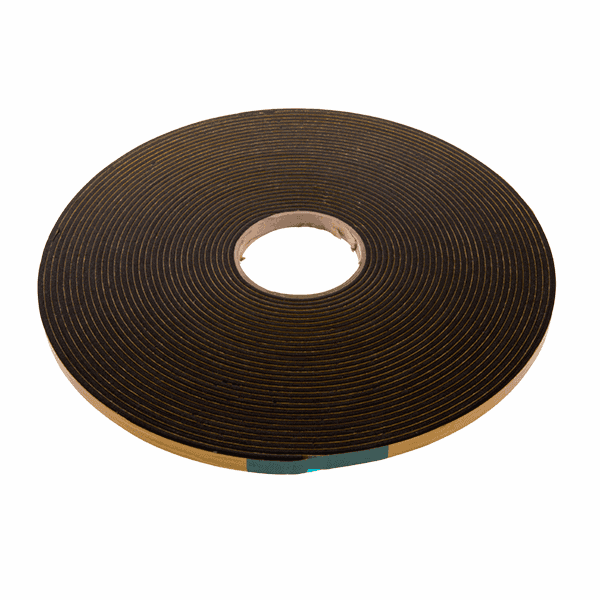
- Structural Glazing Tape - 20mm
- Security Glazing Tape
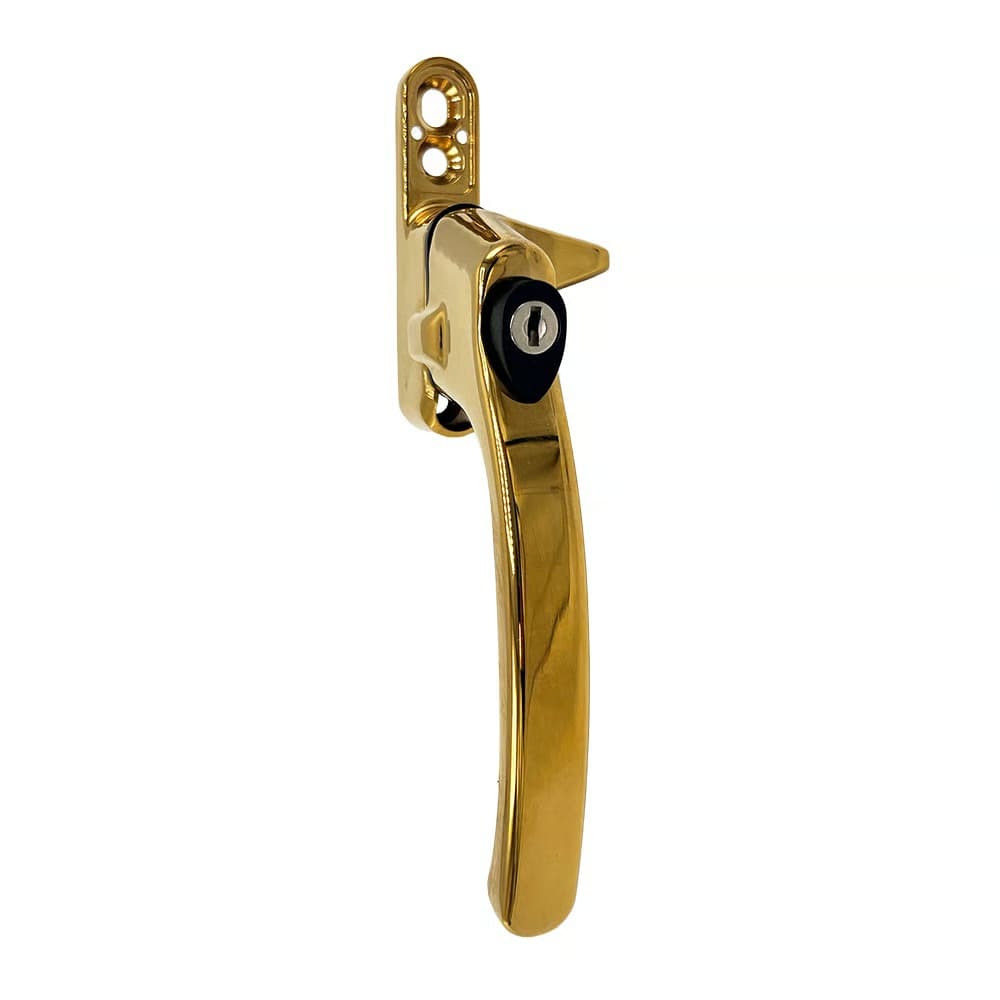
- TSS Cockspur Window Handles
- TSS Offset UPVC Window Handles
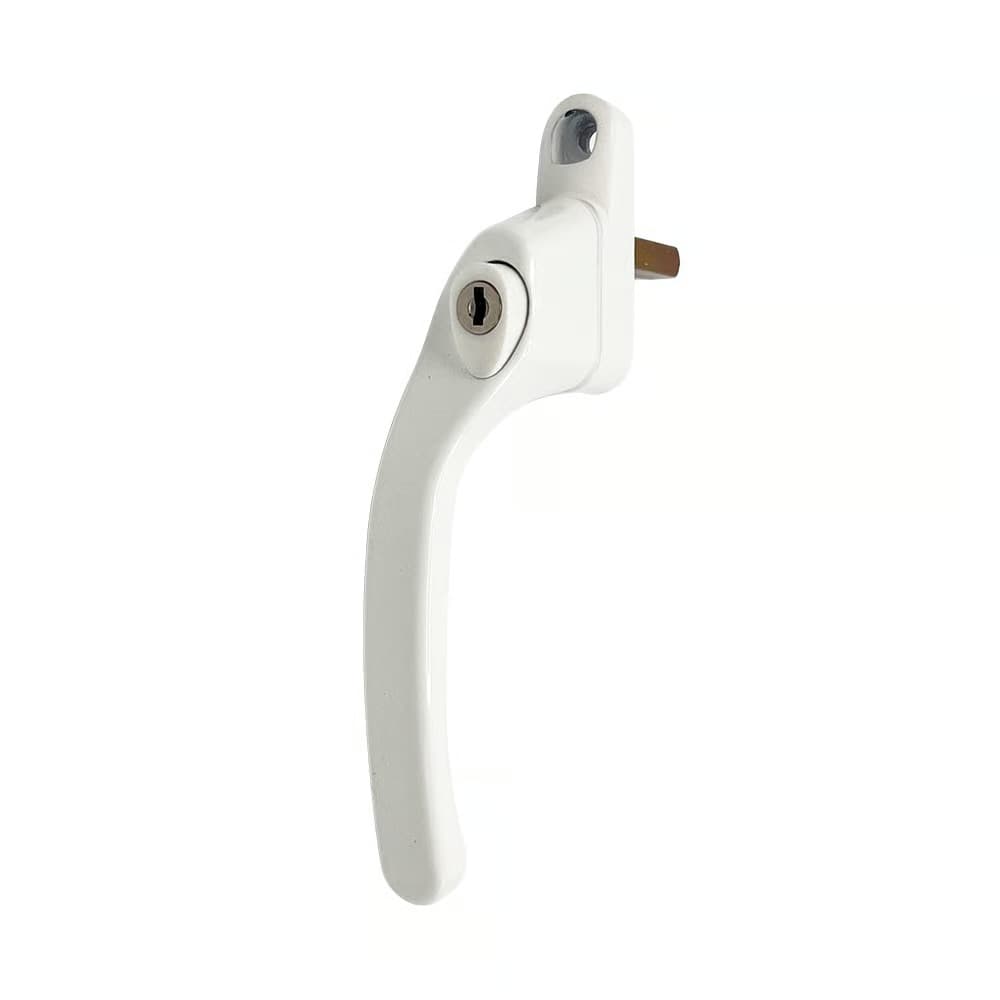
- ERA Universal Inline Window Handle
Conclusion and next steps
Understanding double glazing supplies helps you spec, fit and maintain windows that perform well and last longer. If you are a professional buyer, review your stock list and suppliers for compatibility and lead times. Homeowners should identify the components they need and seek registered installers for replacements that affect Building Regulations. For further technical detail and product options, visit /guides/double-glazing-supplies or contact a specialist supplier to discuss your project requirements and to order the correct parts.
Products mentioned in this article
Related articles
How Old uPVC Window Parts Differ from Modern Replacements
How Old uPVC Window Parts Differ from Modern Replacements Older uPVC windows fitted in the 1980s and 1990s were robust for their time, but the components u...
Glazing Tools Safety Guide: Avoiding Common Injuries
Glazing Tools Safety Guide: Avoiding Common Injuries Working with glazing tools carries a real risk of cuts, crushed fingers and slips when handling panes ...
How to Maintain Your Glazing Tools for Longer Life
How to Maintain Your Glazing Tools for Longer Life Whether you are a trade glazier or a DIY homeowner replacing a pane, well‑maintained glazing tools save ...