
Double Glazing Supplies: OEM vs Aftermarket Parts Compared
Double Glazing Supplies: OEM vs Aftermarket Parts Compared Choosing parts for windows and doors is a common decision for both trade professionals and homeo...
Double Glazing Supplies: OEM vs Aftermarket Parts Compared
Choosing parts for windows and doors is a common decision for both trade professionals and homeowners. Whether replacing a worn handle on a UPVC window, renewing a multipoint lock on a composite door, or dealing with a fogged sealed unit, the choice between original equipment manufacturer parts and aftermarket components affects cost, fit, performance and warranty. This article explains the practical differences, gives trade-level advice, and offers DIY guidance so you can make the right decision for each job.
OEM versus aftermarket: advantages and drawbacks
OEM parts are produced by the original window or door manufacturer or their approved subcontractors. They are designed to fit and function exactly as the original: the same dimensions, finishes and performance characteristics. Advantages include guaranteed compatibility and maintenance of any existing manufacturer warranty; disadvantages include higher cost and longer lead times for obsolete or bespoke items.
Aftermarket parts are made by third-party suppliers. Quality ranges from low-cost generics to high-spec replacements that match or exceed OEM performance. Advantages include lower price, broader availability and often improved lead times; drawbacks include potential compatibility issues on proprietary systems and variable warranty terms. Reputable trade suppliers stock tested aftermarket ranges that comply with relevant standards; avoid cheap, unbranded components for critical safety or security items.
Key components where the choice matters
- Multipoint locks and gearboxes: These are safety-critical and need correct backset, centre distance and faceplate size. OEM is safest for proprietary door systems; a matched aftermarket gearbox from a reputable brand is fine when specifications match.
- Handles and spindles: Standard fittings such as 7mm square spindles are widely interchangeable; check screw centres and spindle length. For tilt-and-turn and patio systems use the exact type to ensure correct operation.
- Hinges and friction stays: Load ratings and material matter. Choose stainless or corrosion-resistant finishes for coastal locations; aftermarket alternatives must match ratings to avoid premature failure.
- Seals and gaskets: These affect thermal and acoustic performance. OEM profiles can be proprietary; however many aftermarket seals are direct-fit replacements at lower cost.
- Sealed glass units (IGUs): If an IGU has failed and is fogging, replacement of the entire unit is required. Use a reputable glazing supplier; insist on correct glass specification: low-E coating, argon fill if original, and warm edge spacer to maintain thermal performance.
- Rollers and sliders: For patio doors and bifolds match wheel size, material and bearing type. Nylon wheels on cheap aftermarket parts will wear faster than roller bearings on quality components.
Practical advice for tradespeople
- Keep commonly used OEM part numbers for popular manufacturers on file; they speed up ordering and avoid returns.
- When substituting aftermarket parts: confirm dimensions (backset, centres, faceplate length), material, finish and handing. Always test fit a sample before full installation on large jobs.
- For security upgrades specify products that meet BS EN 13126 for hardware or PAS 24 for doors and windows when required; document compliance for customer records.
- Use stainless steel fixings and appropriate threadlocker on external hardware to prevent corrosion and loosening over time.
- For coastal properties recommend marine-grade finishes and consider concealed fixings where possible to reduce vandalism and weathering.
DIY guidance for homeowners
Many simple replacements can be undertaken by a competent DIYer; some repairs should be left to a professional. Basic practical tips:
- Identify the part: photograph the hardware, note any stamped codes and measure critical dimensions: screw centres, spindle size and length, backset and faceplate length.
- Handles: remove the cover cap, undo the fixings and pull the spindle out to measure. Replace with same spindle length and screw centres; test operation before final tightening.
- Seals and gaskets: clean the channel and bed surface before inserting new seals; use the correct adhesive where specified. Do not compress specialist seals as that can reduce life.
- Glass: never attempt to replace a sealed unit on ladders alone; for low-level or small panes a skilled DIYer may manage, but sealed unit replacement and glass handling is best carried out by a certificated glazier.
- Multipoint locks and lock cases: these are complex; if you are not confident with alignment and shaving keeps, call a locksmith or door specialist. Incorrect fitting can compromise security and performance.
Ordering: measurements, photos and communication
To speed up correct supply, provide your supplier with clear photos from multiple angles, the part number if present, and precise measurements: spindle length and width, screw centre distance, faceplate height and backset. State the material and finish, and note the door or window system manufacturer if known. For trade customers, maintain a parts list and standard suppliers to save time and reduce mistakes. Use a reliable supplier who offers technical support and returns on incorrect parts.
Standards, warranties and site considerations
Ask whether parts meet BS and EN standards: BS EN 13126 covers window and door hardware performance, and PAS 24 is relevant for security-rated doors. OEM parts often help maintain the original warranty; aftermarket parts will have the supplier’s warranty, which may differ. Consider site conditions: exposure, frequency of use and age of the installation. For high-use or exposed locations specify higher duty-rated hardware and corrosion-resistant finishes.
Recommended Products
Based on this article, you may find these products helpful:
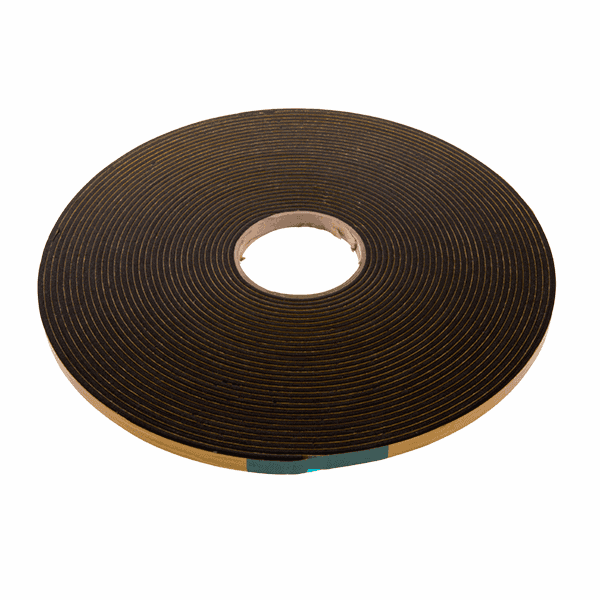
- Structural Glazing Tape - 20mm
- Security Glazing Tape
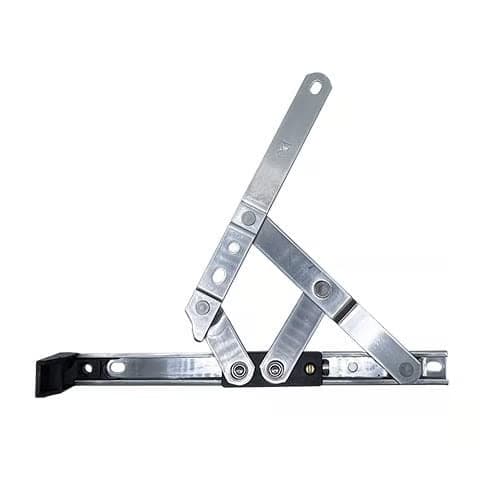
- Top Hung Friction Stay - 12"
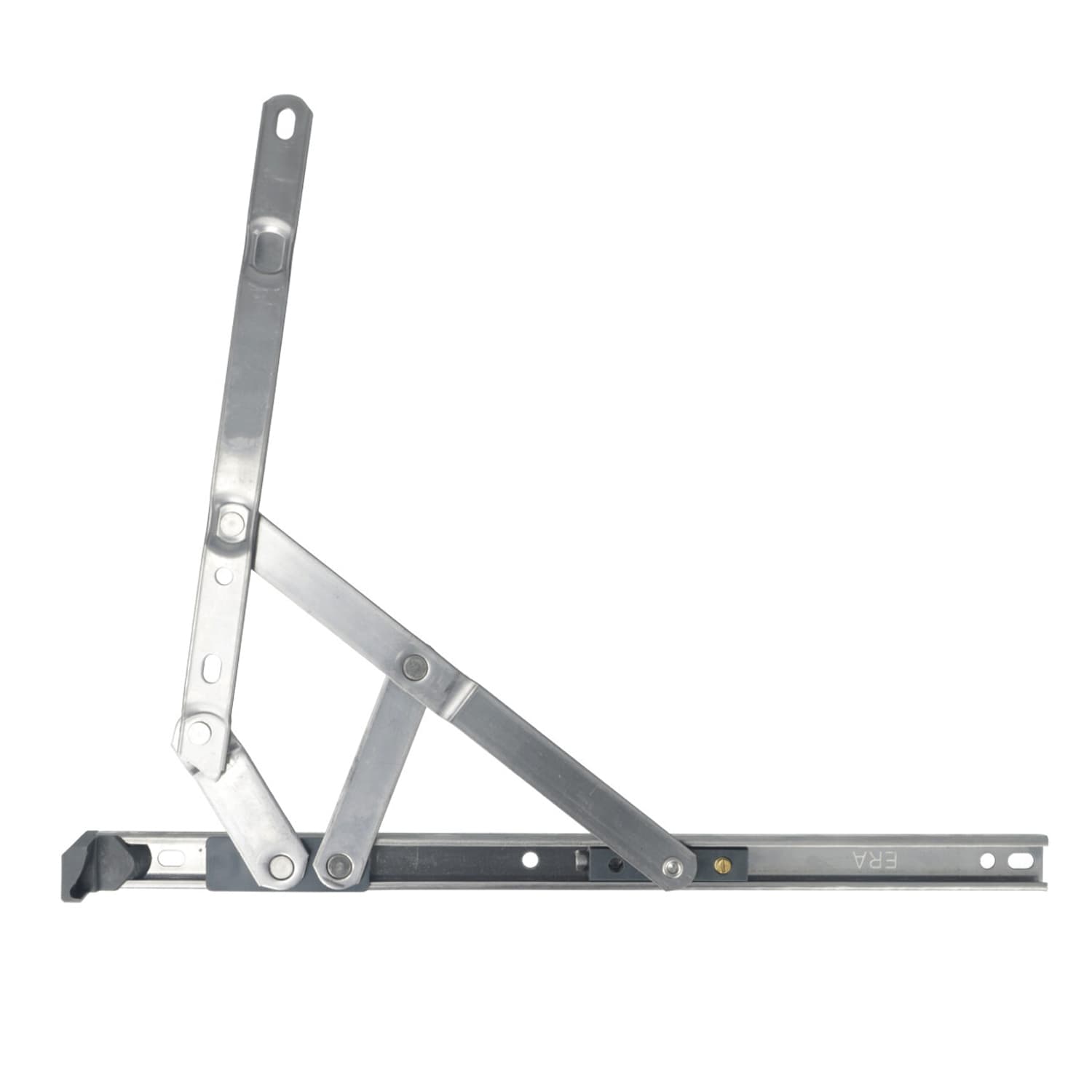
- ERA Egress (Fire escape) Friction Stay
- TSS Standard Friction Stays – 13mm & 17mm Stack Height
Conclusion and next steps
Selecting between OEM and aftermarket double glazing supplies depends on the component, cost sensitivity and the level of risk you can accept. For safety-critical or proprietary systems OEM is often the simplest option; for common fittings and well-specified hardware a quality aftermarket part gives savings without compromising performance. Practical next steps: identify the exact part you need, take clear measurements and photos, then contact a trusted supplier or visit our pillar resource at /guides/double-glazing-supplies for technical reference. If unsure, arrange a site visit with a trained installer to confirm specifications before ordering.
Products mentioned in this article
Related articles
How Old uPVC Window Parts Differ from Modern Replacements
How Old uPVC Window Parts Differ from Modern Replacements Older uPVC windows fitted in the 1980s and 1990s were robust for their time, but the components u...
Glazing Tools Safety Guide: Avoiding Common Injuries
Glazing Tools Safety Guide: Avoiding Common Injuries Working with glazing tools carries a real risk of cuts, crushed fingers and slips when handling panes ...
How to Maintain Your Glazing Tools for Longer Life
How to Maintain Your Glazing Tools for Longer Life Whether you are a trade glazier or a DIY homeowner replacing a pane, well‑maintained glazing tools save ...