
Double Glazing Supplies on a Budget: Quality Parts Without Breaking the Bank
Double Glazing Supplies on a Budget: Quality Parts Without Breaking the Bank Replacing or upgrading components on existing windows and doors need not be ex...
Double Glazing Supplies on a Budget: Quality Parts Without Breaking the Bank
Replacing or upgrading components on existing windows and doors need not be expensive. With careful selection of double glazing supplies, both homeowners and trade professionals can restore performance, improve security and extend lifespan without replacing whole frames. This post covers practical, technically accurate advice for sourcing parts, sensible DIY tasks and when to call a specialist.
Assess the problem before you buy
Start with a clear diagnosis: is the issue draughts, condensation between panes, sticking sashes, worn handles or a failed lock? Correctly identifying the fault avoids spending on unnecessary parts. Common problems and the likely components to check include:
- Condensation between panes: failed insulated glass unit (IGU) or desiccant failure; replacement IGU required.
- Draughts and air leaks: worn or missing gaskets and glazing seals; replace weatherstrips or compression seals.
- Stiff or sagging sashes: worn friction hinges, stays or pivot hardware; inspect and replace bearings or friction arms.
- Security and locking issues: multipoint gearbox, espagnolette, striker keeps or euro cylinder problems; replace or refurb locking components.
- Broken or worn handles and hinges: handles, backplates, butt hinges and screws often need replacement.
Prioritise parts that deliver the best value
Not all components are equal when it comes to cost-benefit. On a budget, prioritise items that restore function and reduce energy loss:
- Gaskets and seals: inexpensive and quick to fit; they improve weatherproofing and reduce draughts.
- Handles and locking furniture: worn furniture compromises security; replacing handles and cylinders is often low cost.
- Sealed units (IGUs): if the seal fails, condensation will persist; replace the IGU rather than the whole frame where possible.
- Hinges and friction stays: replacing these restores operation and prevents further wear to sashes and frames.
Sourcing sensible double glazing supplies
Suppliers and buying strategies make a big difference to cost without sacrificing quality. Consider these approaches:
- Trade suppliers: open trade accounts often provide significant discounts to installers; register if you plan regular purchases.
- Bulk purchasing: buy consumables such as screws, packers and sealant in volume; unit cost falls considerably.
- Standard sizes and modular parts: choose standard-profile gaskets and common hardware where possible; bespoke parts are costlier.
- Refurb and OEM vs aftermarket: reputable aftermarket parts can be much cheaper than original manufacturer components; check compatibility with your profile system.
- Clearance and ex-display stock: suppliers frequently offer overstock or returns at reduced prices; inspect items for suitability.
DIY tasks a confident homeowner can tackle
Several maintenance and repair tasks are achievable for competent DIYers. Safety comes first: wear gloves, eye protection and use correct lifting methods for glass. For lifting sealed units use purpose-made suction cups.
Routine DIY jobs worth attempting:
- Replacing handles and cylinders: remove screws, swap furniture and fit a new euro cylinder if required; ensure cylinder length and cam orientation match the door.
- Fitting new gaskets and compression seals: remove glazing beads carefully, clean rebate, cut seal to length and use the correct profile; tape corners if recommended.
- Replacing hinges and friction stays: support the sash, unfasten keepers, fit new hinge or stay and ensure correct alignment; test for smooth operation.
- Sealing external joints: use a neutral-cure silicone for uPVC and aluminium; apply even beads and tool the seal to ensure adhesion.
Tasks to avoid unless you have glazing experience: cutting and fitting IGUs into complex timber frames, altering sash geometry, and tampering with multipoint gearbox internals. Those are specialist jobs.
Trade-focused tips for installers and fabricators
For tradespeople working on many jobs, efficiency and accuracy save both time and money:
- Keep a stock of common consumables: glazing packers, stainless fixings, setting blocks, neutral cure silicones and common gasket profiles.
- Catalogue parts by profile system and window type: matching parts quickly reduces call-backs and wasted time.
- Use torque-limited drivers on locking furniture: over-tightening can distort hardware and cause premature failure.
- Set locking gear to the correct compression: too loose and you lose weatherproofing; too tight and operational life suffers.
- Check weather performance after refit: test for water ingress and draughts using simple smoke or tissue tests at the perimeter.
Quality considerations: materials and finishes
Choosing the correct material extends life and reduces long-term cost. Stainless steel or zinc-plated fixings resist corrosion; thicker grade friction stays and reinforced hinges handle heavier sashes. For external-facing parts opt for corrosion-resistant finishes and consider anti-twist features on handles and espagnolette rods to improve longevity.
When to call a specialist
Certain situations require a trained glazier or locksmith: IGUs with internal seal failure, complicated sash realignment, multipoint gearbox replacement, or where security compliance is needed. If you are unsure about measurement for a replacement IGU, or if the frame is warped, consult a specialist; an incorrect replacement can lead to more expense.
Recommended Products
Based on this article, you may find these products helpful:
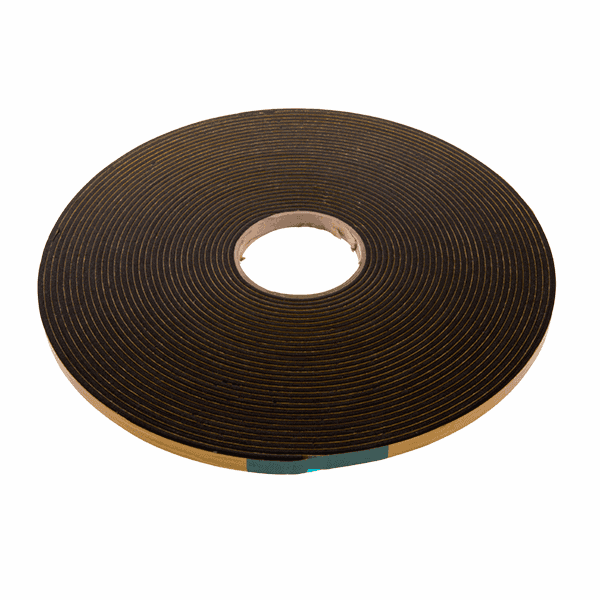
- Structural Glazing Tape - 20mm
- Security Glazing Tape
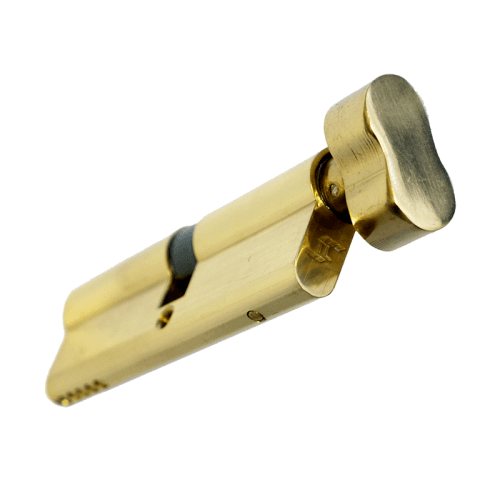
- TL Thumb Turn Euro Cylinder
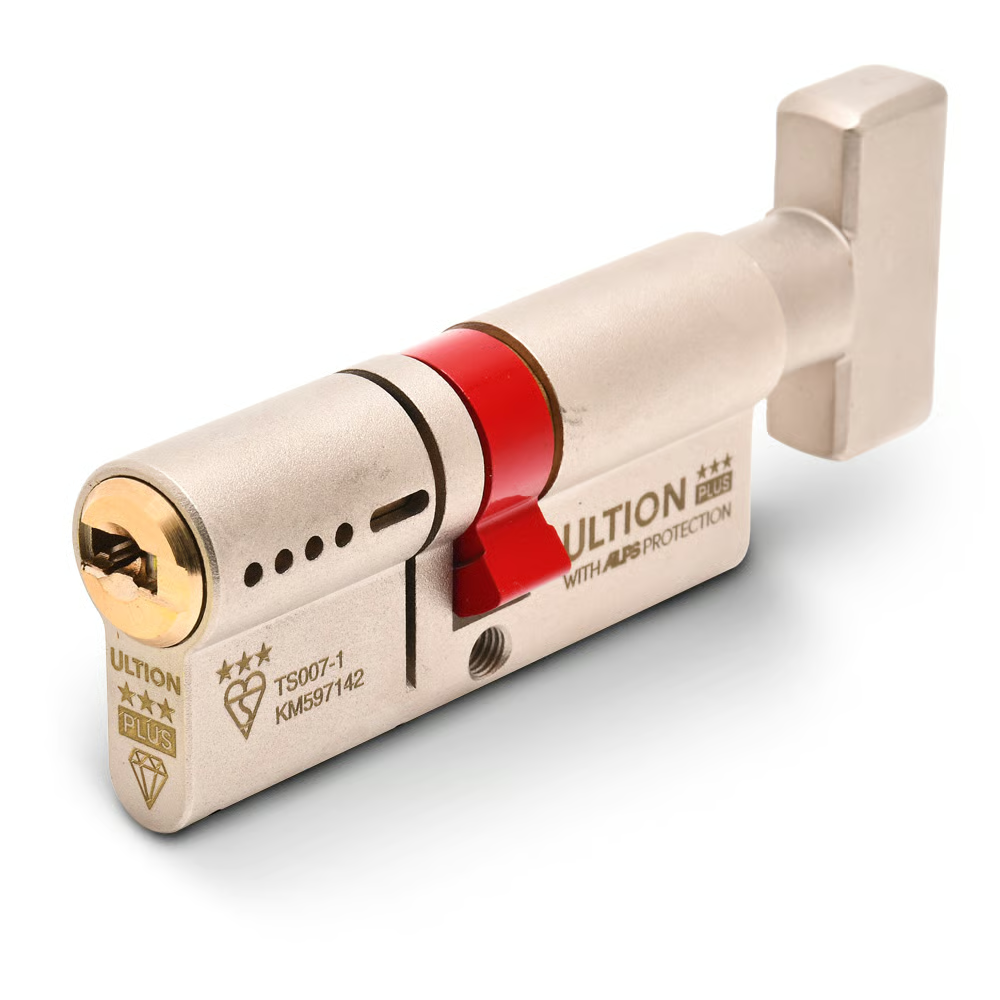
- Ultion Plus TS007 3* Kitemarked Euro Key & Turn Cylinder
- Top Hung Friction Stay - 12"
Conclusion and next steps
Budget-conscious double glazing work is achievable by prioritising seals, hardware and units that restore weatherproofing, security and operation. Source parts from reputable trade suppliers, stock common consumables and take a measured approach to DIY tasks. For complex repairs engage a specialist to avoid costly mistakes.
Next steps: make a checklist of the faults, measure carefully for replacement parts, open a trade account if you plan ongoing work and consult the full resource list at our pillar page: /guides/double-glazing-supplies for part references and supplier recommendations.
Products mentioned in this article
Related articles
How Old uPVC Window Parts Differ from Modern Replacements
How Old uPVC Window Parts Differ from Modern Replacements Older uPVC windows fitted in the 1980s and 1990s were robust for their time, but the components u...
Glazing Tools Safety Guide: Avoiding Common Injuries
Glazing Tools Safety Guide: Avoiding Common Injuries Working with glazing tools carries a real risk of cuts, crushed fingers and slips when handling panes ...
How to Maintain Your Glazing Tools for Longer Life
How to Maintain Your Glazing Tools for Longer Life Whether you are a trade glazier or a DIY homeowner replacing a pane, well‑maintained glazing tools save ...