
Draught Seal Buying Guide: Which Type Is Best for Your Windows and Doors?
Draught Seal Buying Guide: Which Type Is Best for Your Windows and Doors? A well-chosen draught seal reduces heat loss, improves comfort and lowers heating...
Draught Seal Buying Guide: Which Type Is Best for Your Windows and Doors?
A well-chosen draught seal reduces heat loss, improves comfort and lowers heating bills; it also cuts out noise and keeps out dust and insects. Whether you are a homeowner fitting seals yourself or a trade professional specifying products for renovation work, selecting the right type means matching profile, material and fixing method to the window or door detail. This post explains common seal types, suitability by application, installation pointers and trade advice to help you choose correctly.
Common types of draught seal and where they work best
Different seals suit different construction details. The most widely used types are:
- Brush (pile) seals: A piled brush in an aluminium carrier; ideal for sliding doors, garage doors and wider gaps where debris may be present. They tolerate uneven contact and provide good acoustic performance.
- Compression seals (bulb and tubular): Rubber or thermoplastic bulb seals compressed against a stop; commonly used on hinged doors and casement windows for a reliable weatherproof seal.
- V-strip (tension) seals: Flexible PVC or rubber tape that springs into shape to seal edges; commonly used on single-sash and double-sash windows to reduce draughts between meeting rails.
- Adhesive foam tape: Closed-cell foam with self-adhesive backing; low-cost and easy for small DIY jobs or irregular gaps but shorter lived under heavy use.
- EPDM and silicone extrusions: Durable elastomer strips for reliable long-term performance; good for external exposure and for use with uPVC, aluminium and timber frames.
- Threshold and drop seals: Thresholds and automatic drop seals seal the bottom of doors; drop seals are fitted into or under the door and seal when the door closes, appropriate for entrance doors and fire doors.
- Magnetic seals: Used on metal doors where a magnetic closure provides excellent airtightness; common on aluminium commercial doors and some high-performance residential entrance doors.
Choosing a seal by window type
Windows present a range of details; use the right product for the construction to avoid binding or failed operation.
- Casement windows: Compression seals and EPDM extrusions are typical. Ensure the seal profile matches the rebate so the sash closes smoothly but compresses sufficiently to seal.
- Sash windows: V-strip seals for meeting rails and pile seals for the perimeter are common. For timber sash windows consider rebated pile profiles that fit into the groove and allow sliding movement.
- Sliding windows: Brush seals in an aluminium carrier work well for horizontal movement; ensure the brush height does not impede operation.
- uPVC and modern frames: Use manufacturer-matched extruded seals where possible; generic EPDM profiles can be used if the rebate dimensions are compatible and weather rating is suitable.
Choosing a seal by door type
Doors need robust seals that deal with heavier use and larger movements.
- Front and back doors: Bulb seals or EPDM compression seals around the perimeter combined with a threshold or drop seal at the sill give the best airtightness and security.
- Patio and sliding doors: Brush seals with a low-profile carrier minimise friction while sealing; for bottom seals, thresholds with integrated brushes are effective.
- Fire and acoustic doors: Use certified intumescent and acoustic seals specified for the door. Drop seals and specialised perimeter seals are often required to meet regulatory performance; comply with the door manufacturer’s instructions.
Materials and durability: what to specify
Material choice affects lifespan and performance. EPDM is widely used for external seals because of its UV resistance and good compression set; silicone tolerates higher temperatures and is chemically stable; PVC is cost-effective but can stiffen in cold; closed-cell foam is economical but compresses permanently over time.
- Choose EPDM or silicone for long-term external performance.
- Use brush seals where debris or movement would wear a rubber lip.
- For timber frames, ensure the seal compacts without damaging the timber finish; adhesive systems may require primers.
- Check manufacturer data for temperature range, expected life and compression set where long-term performance matters.
Practical fitting tips for DIYers and trade
Correct fitting is as important as product choice. Follow these practical steps:
- Measure carefully: record the length of the rebate or door perimeter and check groove or rebate dimensions so the carrier or profile fits without distortion.
- Allow for compression: test-fit a short piece to ensure the sash or door closes freely; seals that are over-compressed cause wear and may prevent locking.
- Prepare the surface: clean and degrease before applying adhesive-backed tape; for screw-fixed carriers, pre-drill pilot holes and use corrosion-resistant fixings.
- Make neat joints: mitre corners on rigid carriers and use sealant or corner inserts for soft pile or EPDM to prevent gaps. For long runs, work from one end to the other to maintain alignment.
- Consider ventilation: improving airtightness must not remove required ventilation for combustion appliances or create condensation risks; retain or add trickle vents where necessary.
- Replacement: for uPVC windows with very worn seals consider full gasket replacement rather than piecemeal fixes; this restores operation and thermal performance.
Trade advice: specification and stock considerations
If you are specifying for clients or stocking for projects, follow these pointers:
- Keep a selection of common profiles in stock: pile brush in 6–12mm heights, EPDM bulb profiles, self-adhesive foam tape and a few lengths of aluminium carrier are useful for rapid response jobs.
- Order samples before committing to large runs; profile fit is often the deciding factor and sight samples avoid on-site surprises.
- Match seals to hardware: ensure locks, hinges and handles have the required clearance when specifying thicker seals; consider overlength for doors that have large face plates or thresholds that are stepped.
- Document product data: include compression characteristics and longevity data in specifications so installers know what performance to expect.
Maintenance and replacement frequency
Inspect seals annually for wear, hardening and loss of elasticity. Replace seals showing cracks, permanent compression or tears. Clean pile brushes with a soft brush and apply a silicone-based lubricant to rubber seals if they begin to stick; avoid petroleum solvents that can degrade elastomers.
Recommended Products
Based on this article, you may find these products helpful:
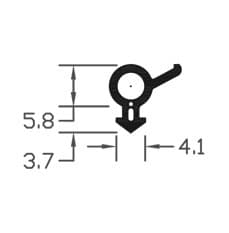
- E-Type Gasket - Black 5m Roll
- E-Type Gasket - Black (Per Metre)
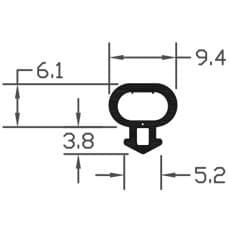
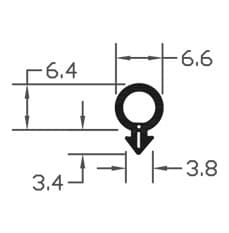
- B003 Bubble Gasket
- B004 Bubble Gasket
- B007 Bubble Gasket
Conclusion and next steps
Choosing the right draught seal depends on the window or door detail, the expected level of use and the exposure to weather. For durable external performance choose EPDM or silicone extrusions; for sliding or debris-prone applications select brush seals; for quick fixes use adhesive foam while noting its shorter life. For trade projects, specify tested products, keep common profiles in stock and always check clearances before ordering long runs.
Next steps: measure the rebate and door perimeter, review the frame material, and visit our pillar resource on gaskets and seals at /guides/gaskets-seals for technical datasheets and product recommendations. If you need specific help, contact our technical team with frame profiles and photos for tailored advice.
Products mentioned in this article
Related articles
Draught Seal Types Compared: Foam, Rubber, Brush, and Compression
Draught Seal Types Compared: Foam, Rubber, Brush, and Compression Draught seal selection matters for energy efficiency, comfort, and the longevity of windo...
How to Prepare Surfaces for Draught Seal Installation: Getting Adhesion Right
How to Prepare Surfaces for Draught Seal Installation: Getting Adhesion Right Proper surface preparation is the single most important factor for long-lasti...
How to Draught-Proof Victorian Windows Without Replacing Them
Victorian sash windows are a defining feature of many UK homes; they also tend to be a major source of heat loss and cold draughts. Replacing them with new...