
Draught Seal Types Compared: Foam, Rubber, Brush, and Compression
Draught Seal Types Compared: Foam, Rubber, Brush, and Compression Draught seal selection matters for energy efficiency, comfort, and the longevity of windo...
Draught Seal Types Compared: Foam, Rubber, Brush, and Compression
Draught seal selection matters for energy efficiency, comfort, and the longevity of windows and doors. Whether you are a trade installer or a DIY homeowner, understanding the differences between foam, rubber, brush and compression seals will help you choose the right product for a particular gap, frame material and operating function. This post compares the four main types, gives practical installation and maintenance advice, and links to further technical information at /guides/gaskets-seals.
Overview: what each draught seal is best for
Each seal type performs differently depending on gap size, movement, exposure to weather and the hardware it sits next to. Quick summary:
- Foam: inexpensive, best for irregular gaps and low-traffic internal sash sealing.
- Rubber: durable and watertight; suited to external doors, thresholds and heavy-use frames.
- Brush: flexible pile weatherstripping for sliding doors, letterboxes and thresholds where sliding action is needed.
- Compression: bulb or fin seals that compress to form a weatherproof barrier on rebated doors and casements.
Foam seals: advantages, limitations and installation tips
Foam seals are usually closed-cell polyethylene or PVC foam tape with a self-adhesive backing. They are cheap and easy to fit, making them popular for temporary or low-cost draught-proofing.
- Pros: quick DIY fit; good for small, irregular gaps; low cost; available in many thicknesses.
- Cons: lower durability; can compress permanently (compression set) in high-load areas; limited resistance to UV and moisture.
- Installation tips: clean the substrate with isopropyl alcohol; measure the widest gap and choose a foam thickness slightly larger to allow compression; apply with firm pressure and trim neatly with a sharp knife. Avoid using foam on high-friction seals where movement will abrade the foam.
Rubber seals: types, uses and trade advice
Rubber seals include EPDM, silicone and thermoplastic elastomers (TPE). EPDM is widely used in the UK trade because of its resistance to UV, ozone and weathering.
- Pros: excellent long-term resilience and water resistance; good return-to-shape properties; suitable for external doors and windows; available as tubes, fin seals and adhesive-backed profiles.
- Cons: require correct profile selection to avoid binding; specialised adhesives or mechanical fixing may be needed for permanent installation.
- Trade tips: specify EPDM for external use. For rebated timber doors choose a bulb profile matched to the rebate depth; for PVCu frames use profiles designed for straight-line groove insertion or screw-retained carriers. Where adhesive fixing is used, use a compatible adhesive or primer supplied by the seal manufacturer to avoid premature delamination.
Brush seals: when pile is the right solution
Brush seals use a pile or bristle strip fixed into an aluminium or PVC carrier. They allow sliding components to operate while still restricting draughts, dust and insects.
- Pros: low friction; ideal for sliding patio doors, bifold systems and letterboxes; good for irregular surfaces.
- Cons: not fully airtight; reduced thermal performance compared with closed seals; pile can wear out where exposed to grit or heavy use.
- Installation and selection: choose pile height and density according to the gap and required seal. Use screw-fixed carriers for robust installations; adhesive-backed carriers can suffice for interior, low-stress applications. For external use, specify stainless-finish carriers and UV-stable pile.
Compression seals: performance for rebated doors and casements
Compression seals are typically bulb-type or knife-edge profiles made from EPDM or TPE; they compress when the door or window closes to form a continuous seal. They are common on timber rebated doors and on metal frames requiring high weather performance.
- Pros: excellent weather and acoustic performance when correctly compressed; long service life; good recovery after repeated closing.
- Cons: need correct geometry and compression percentage; over-compression can cause wear to hinges and hardware; under-compression gives poor performance.
- Practical advice: measure rebate depth and door stop geometry; select a bulb diameter that compresses by around 20 to 30 percent in the closed position. Adjust hinges or keepers if squeezing is excessive. For fire doors or doors with certification you must use the specified intumescent or smoke seals rather than a standard compression seal.
Choosing the right seal: a simple checklist
- Measure the gap width and consider movement: use foam for variable, irregular gaps; use compression or rubber for consistent gaps with closing action.
- Consider exposure: choose EPDM or TPE for external applications where UV and moisture resistance are required.
- Match to hardware: sliding systems favour brush seals; rebated doors need a compression bulb mounted in the rebate or on the frame face.
- Durability and maintenance: specify mechanical fixing for trade installations in high-wear areas; keep spare lengths for replacement during planned maintenance.
DIY fitment: step-by-step for a standard door
- Remove old seal and clean the surface: use a scraper and solvent to remove residue; allow to dry.
- Measure accurately: measure the full perimeter and cut seals with a sharp blade; mitre corners for neat external appearance where required.
- Trial fit: place the seal without adhesive to confirm compression and clearance with the latch and hinges; adjust if necessary.
- Fixing: for self-adhesive seals peel the backing and press firmly along the length; for rubber bulb seals use the appropriate groove or adhesive specified by the manufacturer; for brush seals screw-fix the carrier and use end stops to prevent bunching.
- Test operation: open and close the door or window several times; ensure there is no binding and that locks engage smoothly. If the seal causes friction, reduce compression or choose a slimmer profile.
Maintenance and replacement
Regular inspection is essential for long-term performance. Clean seals with mild detergent; avoid petroleum-based solvents that can degrade some rubbers. Replace seals that show splits, flattening or missing pile. For trade clients, keep commonly used sizes in stock and record seal profiles used on each client’s site for rapid replacement.
Recommended Products
Based on this article, you may find these products helpful:
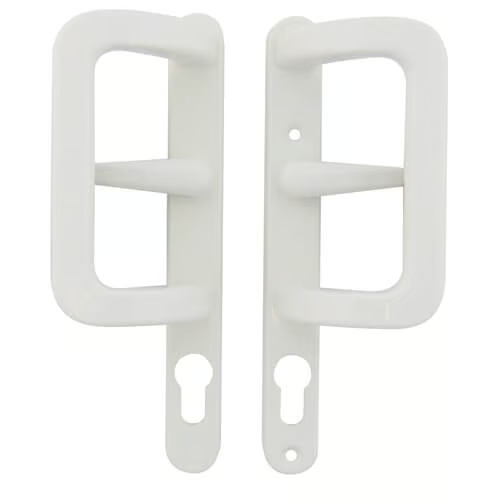
- Patio Door Handle Set - 92PZ White
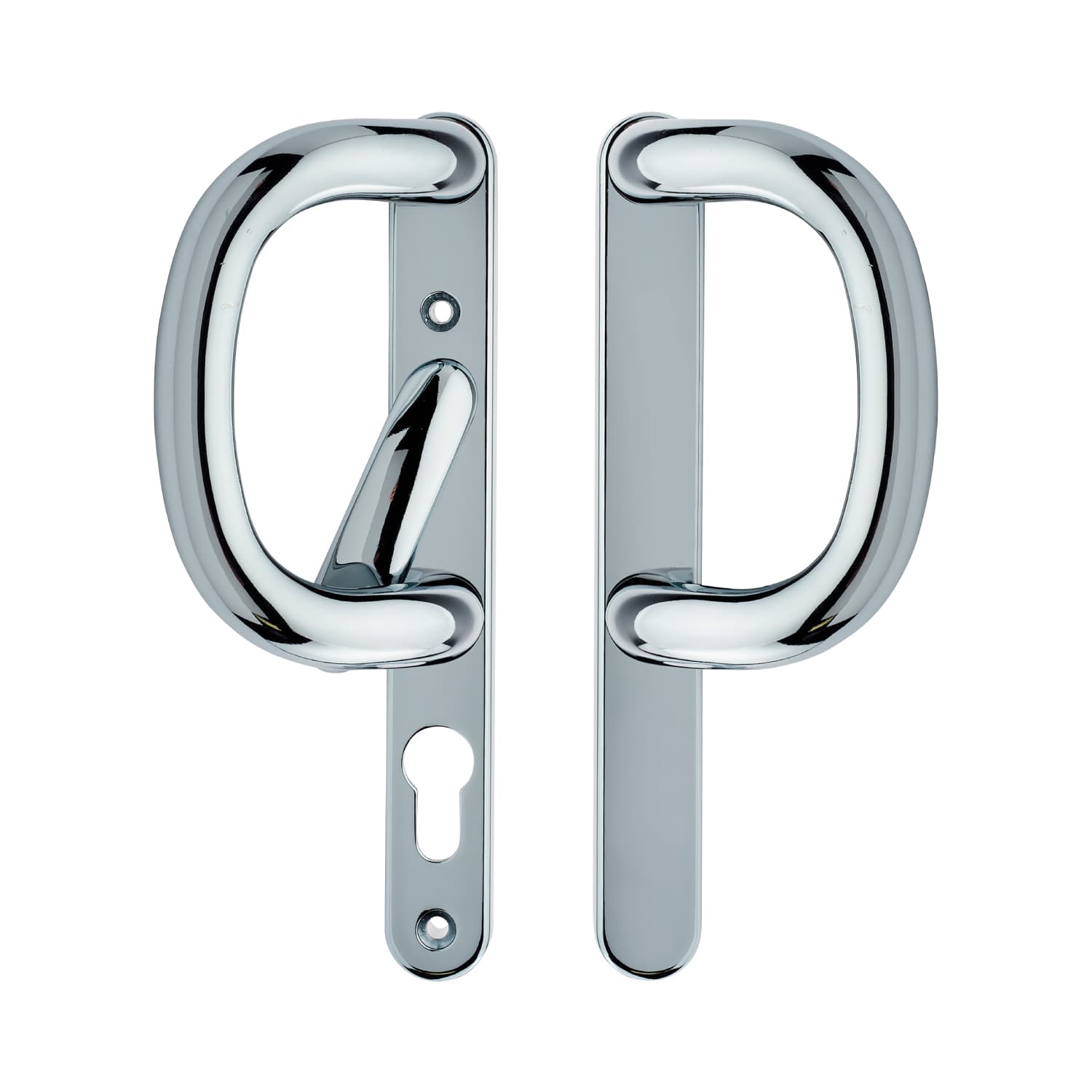
- Winlock Patio Door Handle Set
- Pembroke Locking And Dummy Patio Door Handle
- E-Type Gasket - Black 5m Roll
- E-Type Gasket - Black (Per Metre)
Conclusion and next steps
Choosing the correct draught seal depends on gap geometry, movement, exposure and expected lifespan. Foam is economical for small internal gaps; rubber and compression seals offer superior weather resistance and durability; brush seals combine flexibility and low friction for sliding applications. For trade specifications consult manufacturer datasheets and, when applicable, the guidance at /guides/gaskets-seals. For DIY jobs follow the measuring and cleaning steps above, and when in doubt contact a specialist fitter or your supplier for profile samples and technical advice.
Products mentioned in this article
Related articles
How to Prepare Surfaces for Draught Seal Installation: Getting Adhesion Right
How to Prepare Surfaces for Draught Seal Installation: Getting Adhesion Right Proper surface preparation is the single most important factor for long-lasti...
How to Fit Draught Seals Around Windows: Complete Installation Guide
How to Fit Draught Seals Around Windows: Complete Installation Guide Fitting a draught seal is one of the most cost-effective ways to reduce heat loss, eli...
How to Draught-Proof Victorian Windows Without Replacing Them
Victorian sash windows are a defining feature of many UK homes; they also tend to be a major source of heat loss and cold draughts. Replacing them with new...