
Draught Seals for Letterboxes, Keyholes, and Cat Flaps: Finishing Touches
Draught Seals for Letterboxes, Keyholes, and Cat Flaps: Finishing Touches Tiny gaps around letterboxes, keyholes and cat flaps can undermine the best insul...
Draught Seals for Letterboxes, Keyholes, and Cat Flaps: Finishing Touches
Tiny gaps around letterboxes, keyholes and cat flaps can undermine the best insulated doors and windows. A correctly chosen draught seal will reduce heat loss, stop draughts and dust, and prolong the life of a door or flap; it can also improve acoustic performance and prevent insects from entering. This article explains the options, materials and fitting techniques suitable for both trade professionals and DIY homeowners in the UK.
Why small openings matter
Letterboxes, keyholes and pet doors form concentrated leakage points where air can pass freely even when the rest of the door is well sealed. Heat loss through these gaps increases heating bills and can create cold spots and condensation; in coastal or exposed locations, wind-driven rain and salt spray can also find their way inside. Adding a suitable draught seal is a low-cost, quick intervention with measurable benefits for comfort and energy efficiency.
Types of draught seals for letterboxes, keyholes and cat flaps
- Brush strips: nylon or polypropylene bristles set into an aluminium or plastic carrier. Common for letterboxes and the outer edge of cat flaps; effective against both air flow and light debris.
- Bulb and tubular seals: EPDM or silicone rubber profiles compress into a gap to form an airtight barrier; used around pet flaps and sometimes on the inner flaps of letterboxes.
- Foam tape: closed-cell polyethylene or neoprene tape with adhesive backing; cheap and easy to fit but less durable and prone to compression set over time.
- Magnetic seals: often used on modern pet doors to keep the flap closed until magnetic collars permit entry; also used for internal letterplate flaps to reduce rattling.
- Keyhole covers and escutcheon brushes: small rotating covers or micro-brushes that block draughts around the lock while remaining functional.
- Interlocking or baffle liners: internal letterbox liners that divert airflow through a small chamber rather than a straight door-opening; effective for heat retention and noise reduction.
Material choices and technical considerations
Material selection affects longevity and performance. EPDM rubber is widely recommended because it resists UV, ozone and temperature changes; silicone remains flexible in low temperatures but can be more expensive. PVC seals are economical but can become brittle with age. Brush strip bristles should be dense and anchored to a corrosion-resistant carrier; aluminium carriers are standard, but stainless steel fixings are preferable in coastal locations.
Key technical points to consider:
- Compression ratio: most bulb seals work best when compressed 25 to 50 percent; too little compression leaks, too much causes rapid wear or makes doors stiff.
- Adhesive performance: acrylic adhesives out-perform cheap rubber adhesives, especially on painted, powder-coated or uPVC surfaces. In cold weather adhesive curing can be slow; allow 24 hours before use.
- Fire and security: altering fire doors, especially communal flat entrance doors, may breach regulations. Letterboxes in fire doors may need intumescent liners; always check the door specification and building regulations before drilling or cutting.
- Thermal bridging: metal carriers can conduct heat; use thermal breaks or internal liners where thermal performance is a priority.
Practical fitting advice: trade and DIY
Preparation and correct measurement are crucial to a tidy, long-lasting installation. Below are practical tips for each opening type.
Letterboxes
- Measure the internal plate width and depth; choose a brush strip carrier that matches the plate profile or pick a liner that fits behind the internal flap.
- Clean surfaces thoroughly with a degreaser if using adhesive-backed seals; remove any old adhesive residues with a suitable solvent.
- If using screws, pilot-drill through the carrier into the door material; use countersunk screws for a neat finish and stainless steel fixings in damp or coastal conditions.
- Consider a baffle or internal liner for best performance; a double-flap arrangement with a brush between flaps gives good compromise between security and draught control.
Keyholes
- For external doors, use a lock escutcheon with an integral draught brush or a flip cover. These are quick to fit and keep draughts to a minimum without impeding key use.
- When fitting, ensure the cover clears the cylinder and does not obstruct key operation; adjust hinge tension where possible.
Cat flaps
- Choose a pet door with an appropriate seal system for door thickness and material; many trade-level flaps come with replaceable EPDM gaskets or brush surrounds.
- For composite or insulated doors, use the manufacturer’s tunnel and sealing kit; cutting directly into insulation can cause moisture issues and void warranties.
- If adding magnetic seals, match the magnet strength to the flap weight and the pet’s collar tag to prevent unwanted entry and to avoid overstressing the flap.
Common pitfalls and trade tips
- Do not over-tighten fixings; distortion of the carrier can cause uneven pressure and premature wear.
- Always check door operation across the full temperature range; seals that are perfect at room temperature may become stiff in winter.
- Stock a few standard profiles: 6–8 mm tubular EPDM, 9–12 mm brush strips and 3–6 mm foam tape will cover the majority of quick fixes on site.
- For retrofit work, keep small adhesive-backed escutcheons and magnetic covers for rapid, no-drill installations where regulations permit.
Maintenance and troubleshooting
Inspect seals annually: look for cracking, loss of compression and dirt build-up. Brush strips can be cleaned with a soft brush or vacuum; rubbers benefit from a wipe with a mild detergent and periodic silicone-based lubricant to preserve flexibility. Replace any seal that has lost its shape or shows permanent compression; a failed draught seal offers little benefit and can make a door noisy or hard to operate.
Recommended Products
Based on this article, you may find these products helpful:
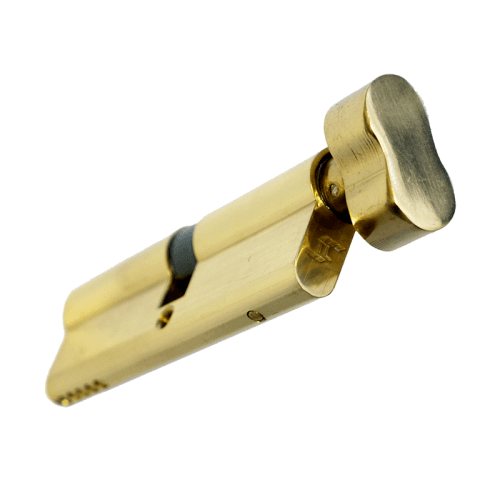
- TL Thumb Turn Euro Cylinder
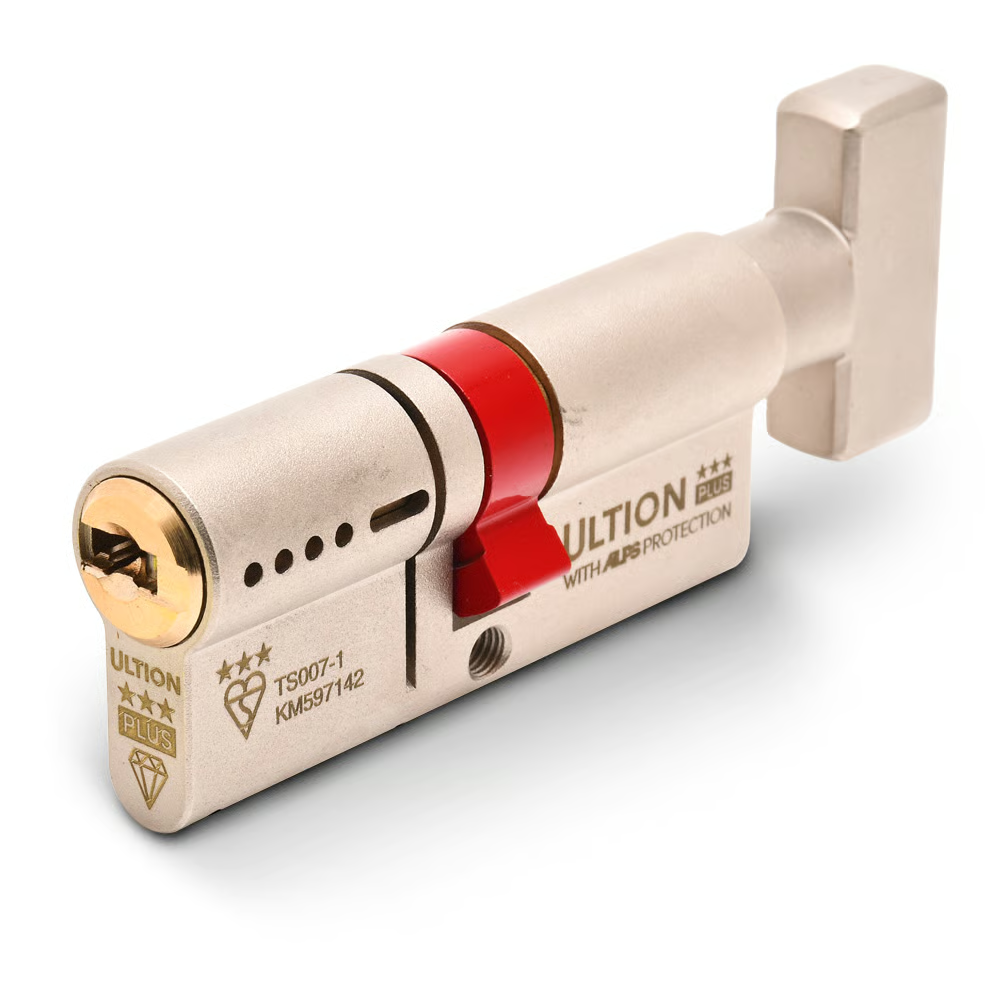
- Ultion Plus TS007 3* Kitemarked Euro Key & Turn Cylinder
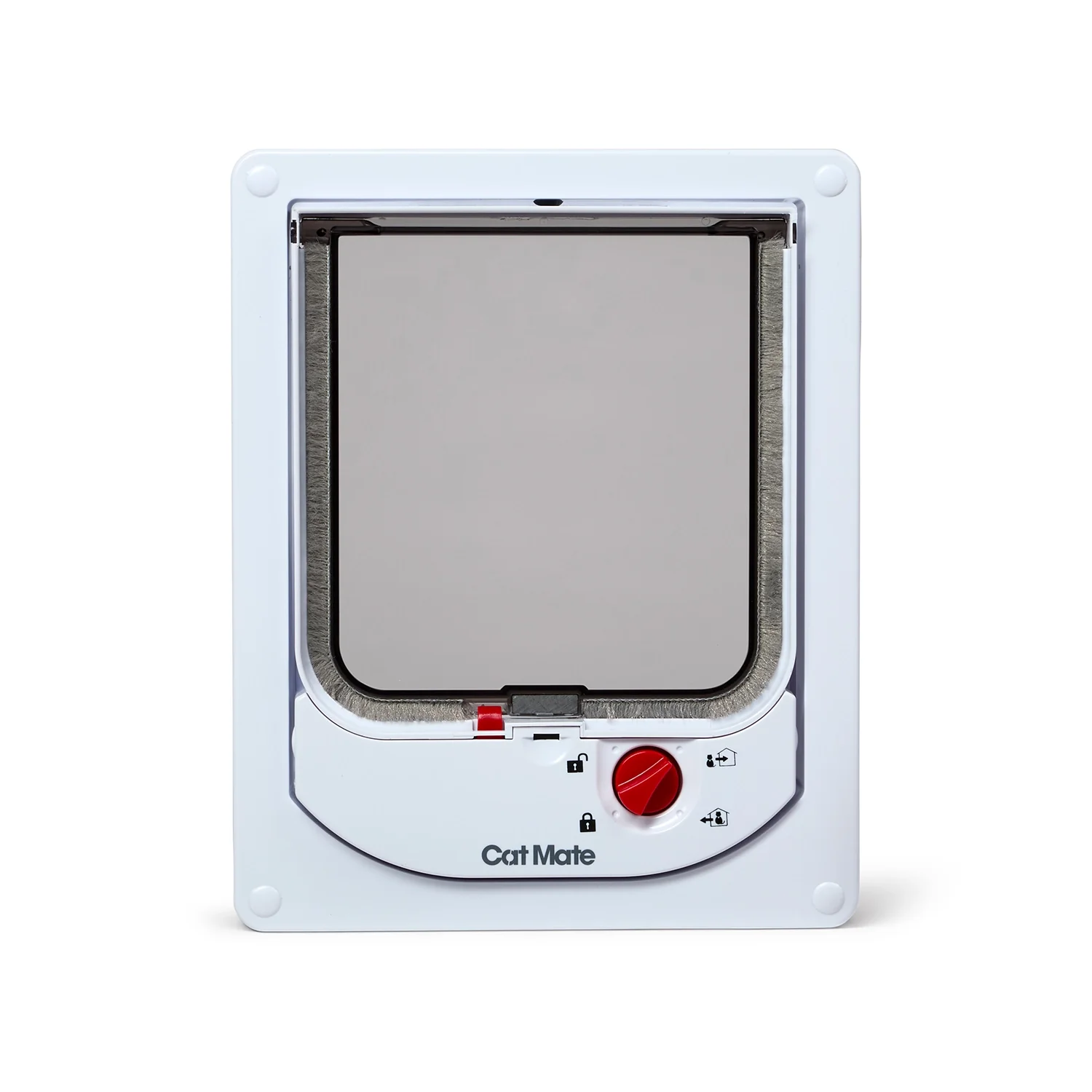
- Cat Mate Electromagnetic Cat Flap
- E-Type Gasket - Black 5m Roll
- E-Type Gasket - Black (Per Metre)
Conclusion and next steps
Small openings deserve careful attention: the right draught seal makes a measurable difference to comfort, noise and energy use. For installers, keeping a selection of durable EPDM tubes, brush strips and adhesive escutcheons covers most jobs; for homeowners, a thoughtful retrofit using manufacturer-approved components will avoid voiding warranties or breaching fire door rules. For more detail on profiles, materials and installation techniques, visit our pillar resource at /guides/gaskets-seals or contact our trade desk for specification advice and sample kits.
Products mentioned in this article
Related articles
Draught Seal Types Compared: Foam, Rubber, Brush, and Compression
Draught Seal Types Compared: Foam, Rubber, Brush, and Compression Draught seal selection matters for energy efficiency, comfort, and the longevity of windo...
How to Prepare Surfaces for Draught Seal Installation: Getting Adhesion Right
How to Prepare Surfaces for Draught Seal Installation: Getting Adhesion Right Proper surface preparation is the single most important factor for long-lasti...
How to Draught-Proof Victorian Windows Without Replacing Them
Victorian sash windows are a defining feature of many UK homes; they also tend to be a major source of heat loss and cold draughts. Replacing them with new...