Easy-Clean vs Egress Hinges: Understanding Your Options
Easy-Clean vs Egress Hinges: Understanding Your Options Choosing the right hinge for a window is more than a cosmetic decision: it affects cleaning, ventil...
Easy-Clean vs Egress Hinges: Understanding Your Options
Choosing the right hinge for a window is more than a cosmetic decision: it affects cleaning, ventilation, security and safety in an emergency. Two common terms you will encounter are easy-clean hinge and egress hinge. Both have specific functions and installation considerations. This article explains how they differ, where each is appropriate and practical advice for trade professionals and confident DIYers.
What is an easy-clean hinge?
An easy-clean hinge is designed to simplify external window maintenance. Typically found on side-hung and top-hung casement windows, the hinge allows the sash to move into a position where the outer face can be accessed from inside the building. For uPVC and aluminium windows this is especially useful on upper floors where external access is difficult or unsafe.
- Common operation: sash rotates or pivots into a 'cleaning' position and locks back into normal operation.
- Compatibility: available for timber, uPVC and aluminium systems; select the correct profile-specific variant.
- Benefits: reduces the need for ladders or scaffolding; speeds up maintenance; helps keep seal and hardware life longer by enabling easier inspection.
What is an egress hinge?
An egress hinge is specified where a window forms part of an emergency escape route. The primary function is to allow a window to open wide enough for an occupant to exit quickly and safely; in some applications it must also allow emergency personnel access from outside. Egress hinges are usually part of an overall egress hardware set which may include quick-release handles, non-locking fasteners and oversized clear openings.
- Operation: designed to permit a larger opening angle and to be operated rapidly without tools or keys.
- Safety focus: avoids obstructions during escape; often used on habitable rooms and escape routes.
- Compliance: egress solutions should meet relevant building regulations and fire safety guidance; verify performance with the manufacturer and check local codes.
Key differences at a glance
Easy-clean hinges are about maintenance convenience; egress hinges are about safety and unrestricted escape. Other practical differences include:
- Opening range: easy-clean may offer limited pivot positions primarily for cleaning; egress provides a full unobstructed opening.
- Locking and restrictors: easy-clean hinges can be used with restrictors; egress solutions must not impede escape and so restrictors are avoided or must be quickly releasable.
- Regulatory emphasis: egress hardware is chosen to satisfy safety rules and emergency planning; easy-clean is chosen for access and upkeep.
Choosing the right hinge: trade advice
For installers and specifiers, select hinges based on sash size, weight, material and intended use. Practical points to consider:
- Load rating: always match hinge size to sash weight and wind-load for the elevation; oversized sashes require heavy-duty friction or ball-bearing hinges.
- Material and finish: use stainless steel or corrosion-resistant finishes for exposed elevations; galvanised options may be adequate for sheltered positions.
- Compatibility: check profile-specific fixings for uPVC and aluminium; deep-set frames may need longer screw lengths or packers for correct geometry.
- Security: where security is a concern choose hinges compatible with multipoint locking; for egress, balance security with unobstructed escape requirements and consult Secured by Design if required.
- Combined solutions: some hardware offers both easy-clean and egress features; specify carefully to ensure neither cleaning nor emergency function is compromised.
DIY guidance: safe selection and fitting
Competent homeowners can fit new hinges, but take sensible precautions. If the window is part of a means of escape or affects fire safety, seek professional advice before making changes.
- Measure accurately: record sash dimensions and weight; check hinge centres on the existing hardware or follow manufacturer templates.
- Select correct fixings: use stainless steel screws for timber; for uPVC and aluminium, use manufacturer-specified screws to avoid cracking or poor engagement.
- Pre-drill and support the sash: when removing the old hinge support the sash to prevent damage; use props or an assistant for larger sashes.
- Adjustment and testing: after fitting, confirm smooth operation, correct sealing and that any egress functionality opens fully without obstruction.
- When in doubt: if the window forms an escape route, involve a qualified installer or check with Building Control to ensure compliance.
Installation and maintenance tips
Good installation and regular maintenance extend service life and reduce call-backs. Follow these practical steps:
- Lubricate moving parts annually with a light machine oil or recommended grease; avoid heavy grease that attracts dirt.
- Check fixation points: tighten screws after seasonal movement; replace any stripped screws or damaged straps.
- Inspect seals and gaskets: ensure the hinge action does not cause seal pinch or undue wear; adjust keeps where possible.
- Function test: for egress windows conduct a quick-release check and ensure nothing downstream obstructs the exit path, such as furniture or security bars.
Safety and regulatory considerations
Altering windows that form part of a fire escape or means of escape can have legal and insurance implications. If specifying an egress hinge or adding restrictors to windows used for escape, consider the following:
- Check building regulations and local authority guidance for minimum clear opening dimensions and required ease of operation.
- Use hardware with appropriate certification such as CE/UKCA marking where relevant; retain evidence of compliance for handover documents.
- Balance child safety and egress: child-proof restrictors are available that can be released from inside by an adult quickly; do not fit devices that prevent escape in an emergency.
Recommended Products
Based on this article, you may find these products helpful:
- UAP Keyless Window Restrictor
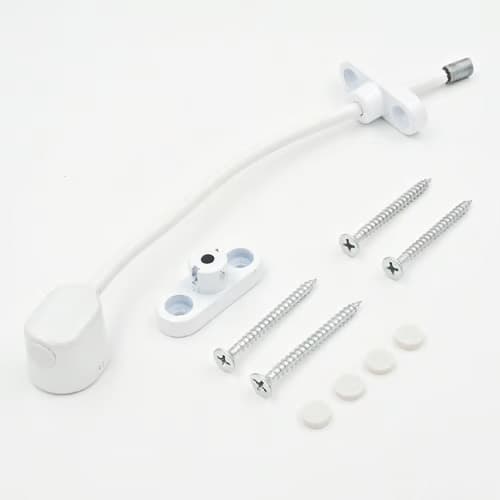
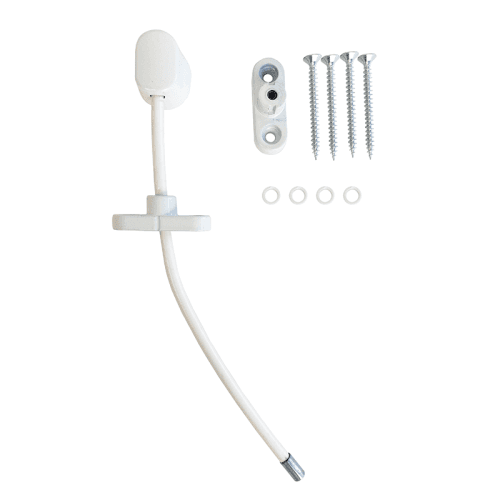
- TSS Keyless Cable Window Restrictor
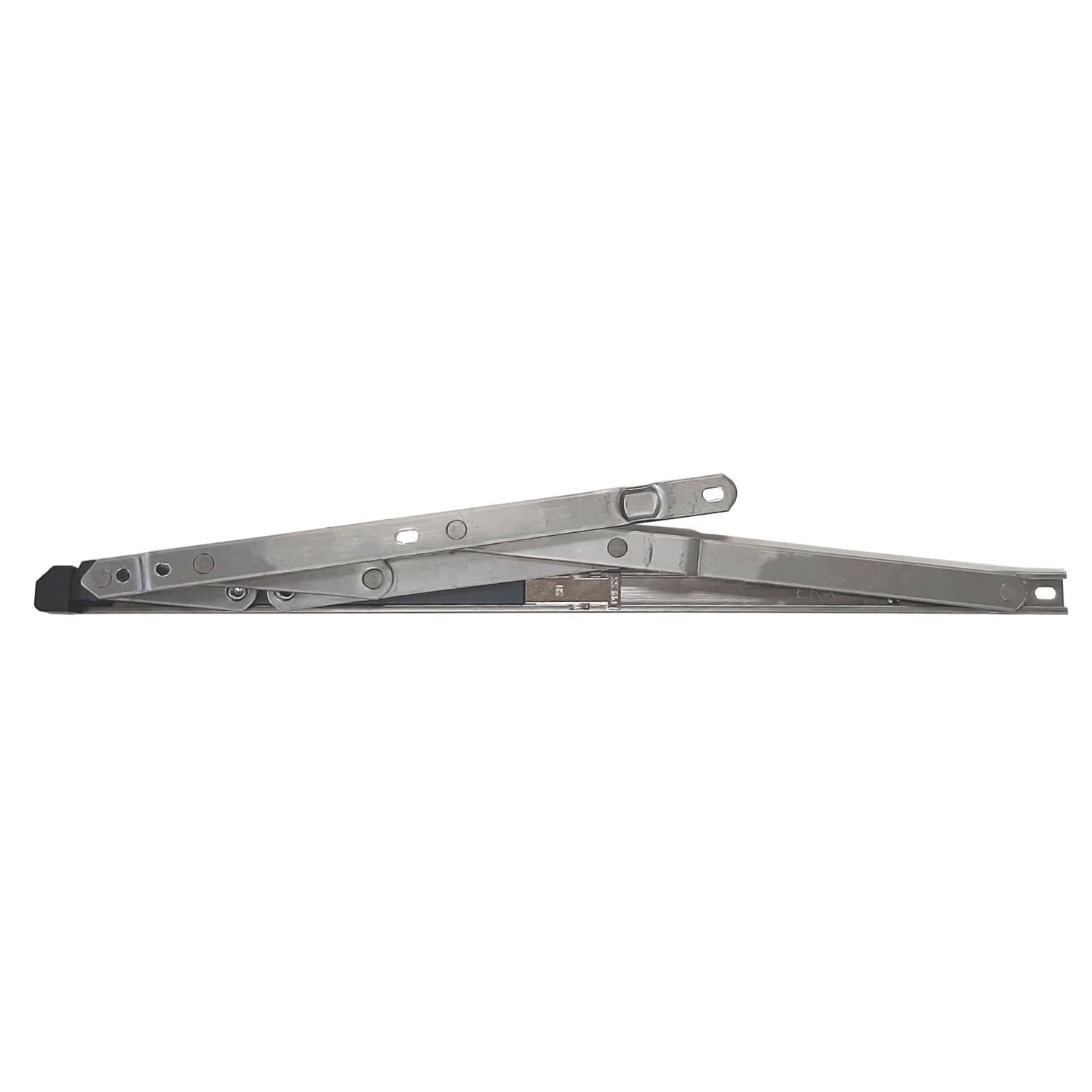
- Restricted Friction Stay Hinges
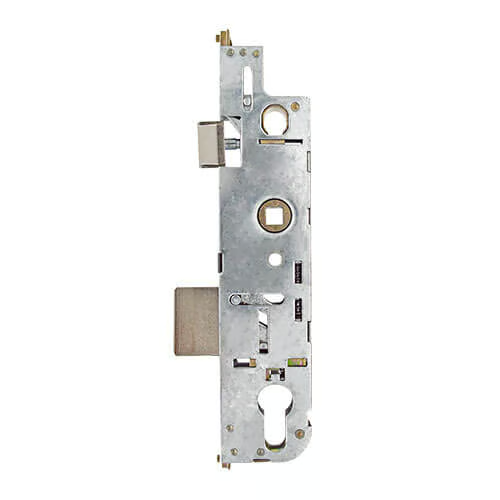
- Multipoint Gearbox GU Old Style
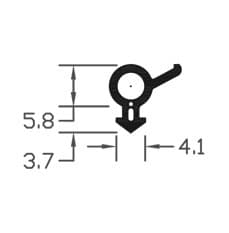
- B003 Bubble Gasket
Conclusion and next steps
Easy-clean hinges solve practical maintenance problems; egress hinges protect occupant safety by providing rapid, unobstructed exit. Choose based on the primary function of the window: if the sash is mainly for cleaning, an easy-clean hinge is appropriate; if the window forms part of an escape route, specify egress hardware and confirm compliance. For mixed needs, consult manufacturers for combined options and ensure any restrictors are compliant.
For more technical help and product recommendations visit our pillar resource: /guides/window-hinges. If you are unsure about compliance or installation, contact our trade counter for specialist advice or arrange a site assessment with a qualified installer.