Egress Hinge Requirements for Bedrooms and Loft Rooms
Egress Hinge Requirements for Bedrooms and Loft Rooms Overview An egress hinge is a piece of hardware that allows a window or door to open wide enough to p...
Egress Hinge Requirements for Bedrooms and Loft Rooms
Overview
An egress hinge is a piece of hardware that allows a window or door to open wide enough to provide a safe means of escape. For bedrooms and loft rooms, meeting egress requirements is both a safety issue and a regulatory one: windows often serve as a secondary escape route in the event of fire. This post explains practical requirements, suitable hinge types, installation and maintenance tips for tradespeople and experienced DIYers, and where to go for further guidance.
Regulatory basics and clear opening requirements
Building Regulations set out minimum escape window sizes. In England and Wales the commonly referenced figure for a secondary means of escape is a clear openable area of at least 0.33 square metres with at least one dimension not less than 450mm; the maximum sill height is generally 1.1 metres above the finished floor level. Scotland and Northern Ireland have equivalent requirements but details may vary; always check with local building control.
Practical note: you must measure the clear opening area when the window is in the fully open position. Frame rebates, restrictors and inward-opening furniture can reduce that clear opening; an appropriate egress hinge ensures the sash clears the frame so the required opening is achieved.
What an egress hinge does and common types
In practice an egress hinge allows the sash to open to a large angle so a person can pass through. Typical solutions include:
- Casement egress hinges: heavy-duty butt hinges or friction butt hinges for side-hung casements that allow near-90 to 180-degree opening.
- Parallel hinges and offset egress hinges: used where the sash needs to move clear of the frame to achieve the full clear width.
- Centre-pivot or top-hung egress hardware: used on rooflights and some loft-room windows; ensure the pivot allows an adequate unobstructed opening.
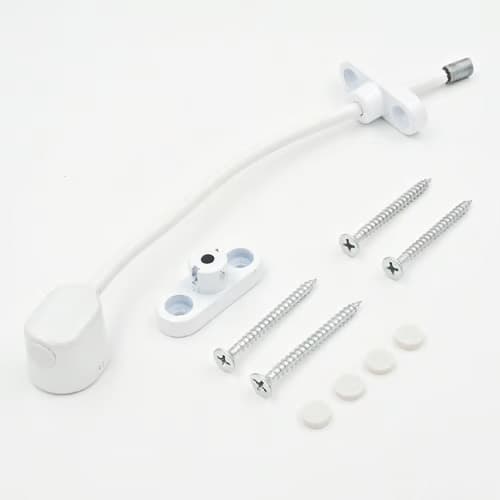
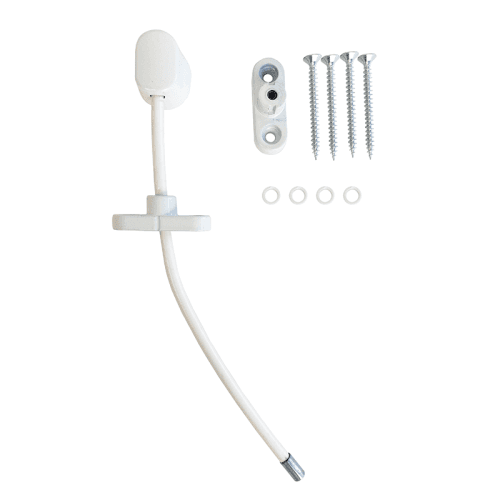
- Removable or quick-release restrictors: allow the window to be kept secure for child safety, yet released in an emergency to create the full opening.
Choose hinges rated for the weight and size of the sash; manufacturers provide maximum sash weights and recommended fixing patterns.
Specification checklist for bedrooms and loft rooms
When specifying an egress hinge or window system check the following:
- Clear opening area: confirm the openable area in square metres and minimum dimension of 450mm.
- Sill height: ensure the bottom of the clear opening is no higher than 1.1 metres; if higher, provide an alternative route.
- Hinge type and capacity: select hinges that allow the required opening angle and carry the sash weight; for larger sashes choose multi-point support hinges.
- Corrosion resistance: use stainless steel or corrosion-resistant finishes in coastal or high-humidity areas.
- Security and restrictors: where restrictors are fitted for safety, ensure they are fail-safe or quick-release so they do not prevent escape.
- Glazing safety: consider safety glazing if the window is low to the floor or adjacent to circulation spaces; follow applicable glazing standards.
Practical trade advice
For installers and specifiers:
- Measure twice: calculate the clear opening with the selected hinge and the fully open sash; account for hardware, glazing beads and any overpanels.
- Match hardware to frame material: aluminium, timber and PVCu frames need different hinge types and fixings. Use manufacturer-recommended screws and back-fixing plates where required.
- Check manufacturer performance data: look for load ratings, cycle tests and weather performance to meet expected service life.
- Coordinate with fire safety: if the loft room required a fire escape route as part of a wider strategy, confirm the window and hinge specification with the fire engineer or building control officer.
- Provide clear documentation to clients: show the as-installed clear opening dimensions, and where restrictors are fitted, how they operate in an emergency.
DIY guidance and safe installation steps
Experienced DIYers can replace or fit egress hinges, but only if comfortable with accurate measurements and structural fixing. Key steps:
- Confirm regulations: speak to local building control if unsure that your solution will meet the escape requirement.
- Measure the clear opening: calculate the unobstructed area once the sash is fully open. Use this to select hinge type and position.
- Remove trims carefully: expose the hinge fixing points without damaging the frame or glazing beads.
- Use correct fixings: pilot drill, countersink where required and use the screw lengths recommended by the hinge manufacturer to avoid splitting timber or pulling out of PVCu reinforcement.
- Adjust and test: set hinge friction and alignment so the sash opens freely; test the escape by passing a person-sized object through the opening to confirm clearance.
- Label any quick-release operation: if a restrictor or catch must be released in an emergency, label it and brief household members.
Troubleshooting common problems
Typical issues and remedies:
- Insufficient clear opening: check for inward projections such as handles, beading or overhangs; consider offset egress hinges or changing to a different opening style.
- Sash binding or sagging: use brackets or a stronger hinge set; check frame square and rebate depth.
- Corrosion or stiff operation: replace with stainless steel hinges and lubricate pivot points; for frequent use, choose high-cycle-rated hardware.
- Restrictor prevents escape: replace permanent restrictors with quick-release types and demonstrate operation to occupants.
Additional considerations
Loft rooms often have sloping ceilings and roof windows; check escape routes for safe egress to a protected stair or external area. If planning structural alterations, such as increasing an opening size to improve egress, consult building control and consider impact on insulation and weatherproofing. If you need inspiration on hinge types and frame compatibility, see our wider window hinge resources at: /guides/window-hinges.
Recommended Products
Based on this article, you may find these products helpful:
- Top-Hung Window Hinge - Standard
- Side-Hung Window Hinge - Standard
- Top Hung Friction Stay - 12"
- UAP Keyless Window Restrictor
- TSS Keyless Cable Window Restrictor
Conclusion and next steps
Ensuring a bedroom or loft room has an adequate escape route requires the correct egress hinge and careful measurement. Tradespeople should specify hinges by load rating and opening angle; DIYers should verify clear opening dimensions and follow manufacturer instructions. For compliance, check local building control and retain documentation showing the as-built clear opening. If you need help selecting hinges or a site-specific recommendation, contact Window Hardware Store or browse our hinge range and technical sheets on the linked pillar page.