
Essential Double Glazing Supplies Every Window Fitter Should Stock
Essential Double Glazing Supplies Every Window Fitter Should Stock Whether you are a trade fitter or a homeowner planning renovations, having the right dou...
Essential Double Glazing Supplies Every Window Fitter Should Stock
Whether you are a trade fitter or a homeowner planning renovations, having the right double glazing supplies in your van or workshop saves time and improves installation quality. Stocking the correct consumables, hardware and tools reduces callbacks and ensures installations meet performance and safety expectations. Below are the must-have items for everyday double glazing work, with practical trade advice and DIY guidance.
Core glazing consumables
These are the items you will use on nearly every job. Keep a steady stock to avoid delays:
- Insulating glass units (IGUs): order common sizes and glass specifications in advance; stock a selection of toughened and laminated safety glass plus low-e and acoustic options for retrofit and new-build projects.
- Warm edge spacer bars: prefer warm-edge spacers for thermal performance; they are supplied factory-fitted with desiccant and improve U-values.
- Setting blocks and glazing packers: use plastic or neoprene setting blocks and a range of packer thicknesses to achieve correct alignment and support.
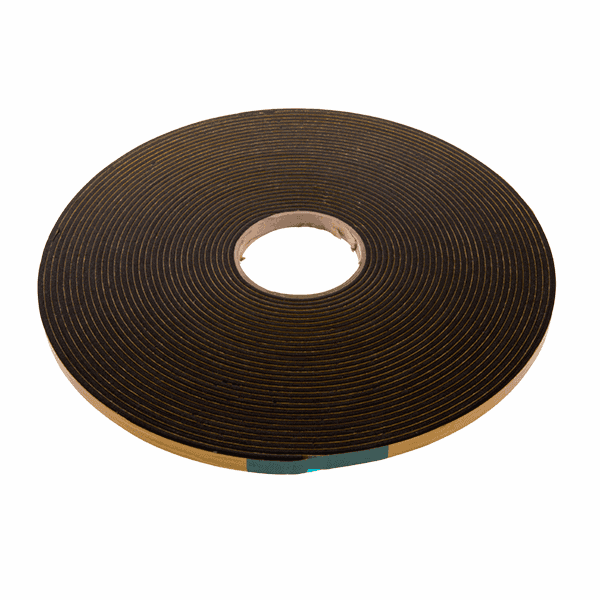
- Glazing tapes: butyl or dual-adhesive glazing tapes for internal and external perimeter sealing on some frame systems.
- EPDM and foam gasket rolls: for replacement gaskets or bespoke sealing profiles, particularly on timber and aluminium frames.
Seals, sealants and adhesives
Choose products to match substrates and exposure conditions. Incorrect sealant selection leads to failure and staining:
- Neutral-cure silicone sealant: ideal for PVCu and aluminium; it is paintable if specified and resists UV.
- Single-component MS polymer or polyurethane sealants: good for structural joints and external masonry to frame connections; follow manufacturer guidance for priming.
- Low-expansion foam: used for gap filling between frame and opening; pick foam with low expansion properties specifically formulated for windows to avoid bowing frames.
- Butyl tape and compression seals: for glazing unit bedding on suitable frames and for internal secondary sealing where specified.
Window and door hardware
Hardware quality affects security, operation and longevity. Stock items for repairs and new installs:
- Handles and espagnolette locks: stock left and right-handed variants, night-vent positions and child-safe options.
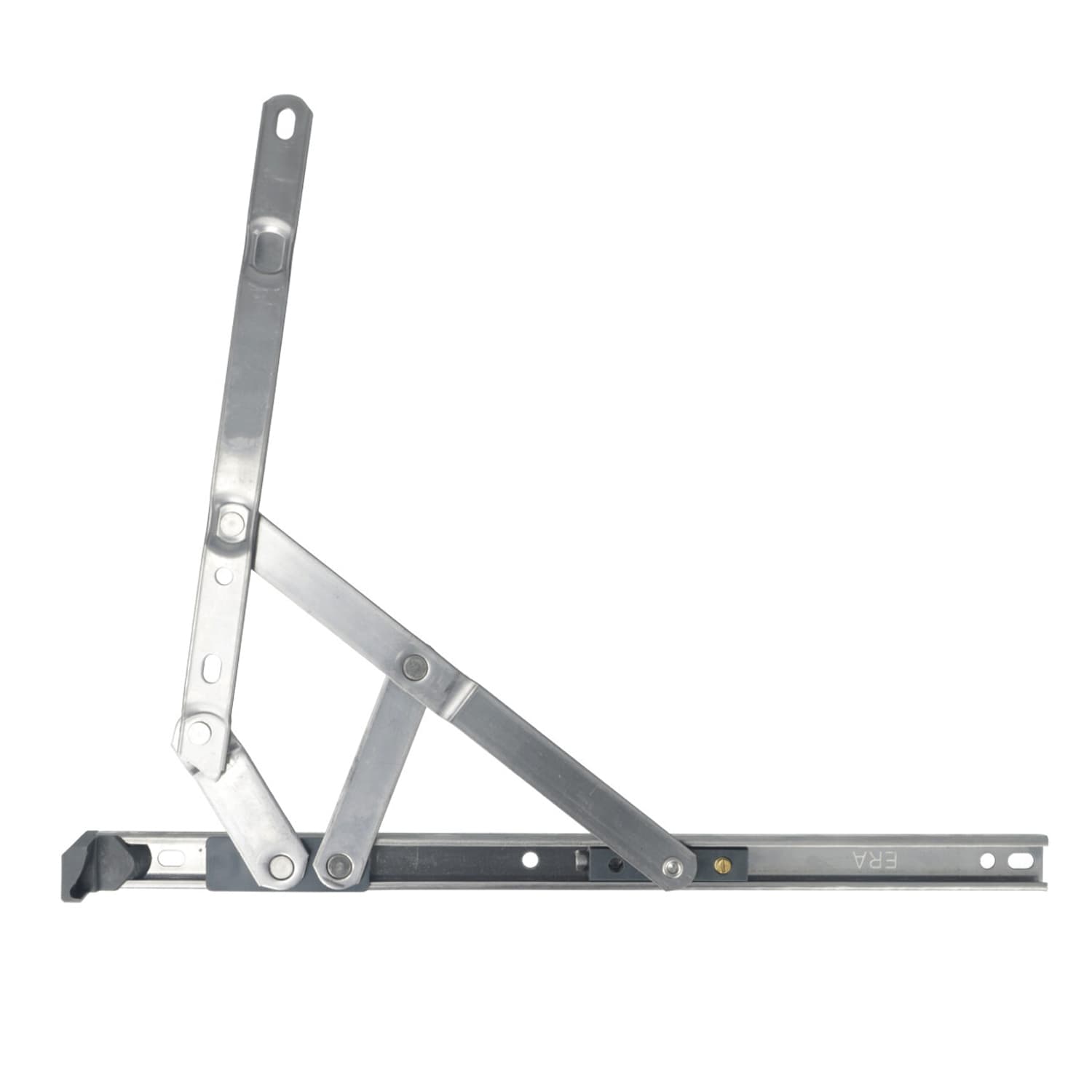
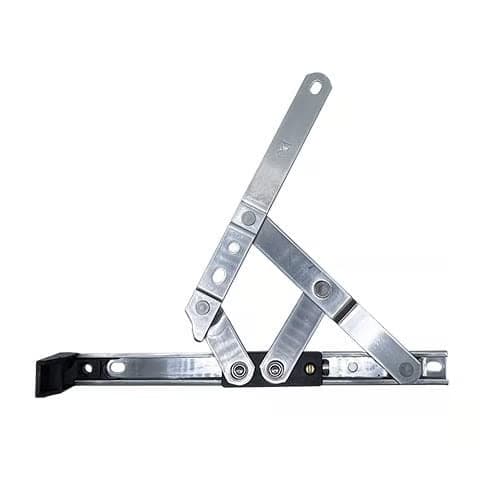
- Hinges and friction stays: include 3D adjustable hinges for timber and stainless steel or non-corrosive stays for coastal properties.
- Multipoint locking gear and keeps: carry common lock sizes and striker plates; test alignment on site and have spares for retrofit adjustments.
- Rollers and running gear for sliding doors: nylon and stainless rollers to suit patio and bifold doors, plus adjustable thresholds and brush seals.
- Cill end caps, drip trims and external weathering components: these finish an installation and protect against water ingress.
Tools and small kit
Right tools speed work and reduce damage to frames and glass. A basic, well-maintained kit includes:
- Glass suction lifters: for safe lifting and positioning of IGUs; keep batteries charged for powered models.
- Glazing knives, spatulas and scrapers: for old seal removal and neat application of tapes and sealants.
- Caulking guns: choose both standard and battery-operated guns for productivity on larger jobs.
- Drills and screwdrivers with torque control: use corrosion-resistant fasteners and the correct torque to avoid crushing PVCu frames.
- Spirit levels, digital protractors and measuring tapes: precise setting is essential for drainage and operation.
Safety, compliance and standards
Health and safety is non-negotiable on glazing work. Stock PPE and learn regulations:
- PPE: safety glasses, cut-resistant gloves, hi-vis, hearing protection and safety footwear; harnesses and edge protection for working at height.
- Glass marking and safety glazing: ensure safety glass is used where required by building regulations, for example in doors and low-level glazing.
- Compliance documentation: keep product data sheets and declaration of performance for IGUs and hardware; installers should be familiar with relevant British and European standards such as BS EN and BS 6375 testing for weather performance.
Practical trade advice and DIY guidance
Small details on site make a big difference. Follow these trade-proven tips and pass simple guidance to homeowners doing DIY:
- Always use setting blocks at the factory-recommended positions: typically at quarter points of the unit to support weight and allow drainage. Do not locate packers directly at corners where stress concentrates.
- Allow correct perimeter gap for thermal movement: most systems require a small gap around the IGU; packers and compressible seals maintain this while preventing rattles.
- For external seals, apply backer rod where large gaps exist before sealant application; tool the sealant to ensure adhesion and neat weathering.
- When replacing hardware, check the condition of the frame and ensure that reinforcement or frame repair is done before fitting new multipoint locks; a smooth operating sash prevents premature wear.
- Homeowners attempting simple tasks: always isolate and remove broken glass using the right PPE; for anything structural or where safety glass may be required, contact a registered fitter.
Stocking strategy and inventory tips
Balance space with availability. Fast-moving consumables and common sizes should always be on hand; specialist glass and bespoke hardware can be ordered, but maintain a supplier shortlist for quick turnaround. Track usage rates for different seasons: spring and summer often see higher demand for renovations. Keep a digital inventory and reorder thresholds to avoid emergency overnight orders.
Where to find more information
For a wider checklist and product recommendations, trade fitters and homeowners can consult the detailed pillar resource at /guides/double-glazing-supplies for spec sheets and supplier links. Use the technical documents to verify compatibility and warranty conditions before installation.
Recommended Products
Based on this article, you may find these products helpful:
- Structural Glazing Tape - 20mm
- Security Glazing Tape
- Top Hung Friction Stay - 12"
- ERA Egress (Fire escape) Friction Stay
- TSS Standard Friction Stays – 13mm & 17mm Stack Height
Conclusion and next steps
Stocking the right double glazing supplies ensures smooth installations, better energy performance and fewer call-backs. Prioritise high-quality IGUs, correct sealants, corrosion-resistant hardware and essential tools. Next steps: audit your current stock, identify the top five items you run out of most often, and set reorder levels with your suppliers. If you need a printable checklist or a starter pack recommendation for your van, contact our trade support team for tailored advice.
Products mentioned in this article
Related articles
How Old uPVC Window Parts Differ from Modern Replacements
How Old uPVC Window Parts Differ from Modern Replacements Older uPVC windows fitted in the 1980s and 1990s were robust for their time, but the components u...
Glazing Tools Safety Guide: Avoiding Common Injuries
Glazing Tools Safety Guide: Avoiding Common Injuries Working with glazing tools carries a real risk of cuts, crushed fingers and slips when handling panes ...
How to Maintain Your Glazing Tools for Longer Life
How to Maintain Your Glazing Tools for Longer Life Whether you are a trade glazier or a DIY homeowner replacing a pane, well‑maintained glazing tools save ...