
The Best Glazing Tools for DIY Double Glazing Repairs
The Best Glazing Tools for DIY Double Glazing Repairs Whether you are a trade professional or a confident DIY homeowner, having the right glazing tools mak...
The Best Glazing Tools for DIY Double Glazing Repairs
Whether you are a trade professional or a confident DIY homeowner, having the right glazing tools makes double glazing repairs quicker, safer and more reliable. This article covers the essential hand tools, glazing-specific equipment and specialist items you will need for common repairs to sealed units, uPVC and timber windows. For a broader list of products and supplies see our pillar page: /guides/double-glazing-supplies.
Essential hand tools every fitter should own
Many glazing tasks begin with basic hand tools. Spend on quality items now and they will save time and avoid damage later:
- Claw hammer and dead blow hammer: for gentle bead tapping and removal; use a dead blow to avoid glass shock.
- Cold chisel and glazing chisel: for removing hardened putty and old silicone; a narrow glazing chisel helps free beads without splintering timber.
- Wide putty knives and flexible scrapers: for cleaning out old sealant and smoothing new compound.
- Sharp utility knife and box cutters: for cutting glazing tape and trimming gaskets; keep replacement blades to ensure clean cuts.
- Tape measure and folding rule: accurate measurement is crucial when ordering replacement sealed units or glass.
- Spirit level and set square: to check alignment when setting glass and packers; poor levelling can lead to binding on opening vents.
Glazing-specific tools for bead removal and installation
Beads hold glass in place and are often the first thing to tackle during a repair. The right bead tools reduce the risk of scraping or cracking frames:
- Glazing bead lifters and wedge tools: plastic or metal lever tools designed to prise uPVC beads free without cracking; use thin, controlled pressure.
- Bead removal pliers: for timber windows these provide a secure grip and minimise damage when pulling old beads.
- Glazing irons and setting blocks: to seat glass evenly and transfer pressure when securing the bead; use setting blocks at 200–300mm from corners.
- Rubber mallet: to tap beads back into place gently; always protect bead surfaces with a soft face or scrap material.
Tools and equipment for sealed unit and glass replacement
Replacing a failed sealed unit or broken pane requires a mix of lifting, measuring and sealing tools. Note: toughened glass cannot be cut on-site; order accurately measured replacements.
- Glass suction cups and lifters: indispensable for safe handling of double glazed sealed units; use rated single or twin cups depending on weight and access.
- Glass cutters and running pliers: for cutting annealed glass only; do not attempt to cut tempered (toughened) glass.
- Spacer blocks and packer wedges: to set the gap between glass and frame; use non-compressible packers for long-term stability.
- Heat gun or hot air blower: useful when softening old acrylic beads or silicone; use cautiously on uPVC to avoid warping.
- Sealant guns and cartridges: a quality silicone gun with a steady pull works well for perimeter sealants; for structural bonding use low-modulus window silicone or MS polymers recommended for glazing use.
Tools for uPVC and aluminium frames
uPVC and aluminium frames are common in UK homes and require different tools and techniques compared with timber:
- Trim and glazing bead removers: wide, flat tools to ease brittle uPVC beads away from the frame.
- uPVC repair kits and corner welders: for broken profiles consider profile repair or replacement; welding requires specialised equipment and training.
- Specialist sealant removal fluids: formulated to soften silicone on uPVC and metal without harming the profile finish; always follow manufacturer instructions.
- Stainless steel or nylon shims: for aligning sash and preventing galvanic corrosion on aluminium frames.
Timber window tools and traditional glazing
Timber frames commonly use linseed putty or modern glazing compounds. Working timber requires care to preserve the frame and prepare a good bed for the glass:
- Glazing points and point driver: traditional method for holding glass in timber frames; use the correct size points for the glass thickness.
- Fine-tooth saw and plane: for trimming or replacing timber beads and for preparing rebates.
- Linseed putty knives and finishing tools: to bed glass in putty and create a weather seal; allow adequate curing time.
- Preservative and primer: treat exposed timber edges before re-puttying to reduce moisture ingress and decay.
Safety equipment and measuring aids
Glass work carries risk. Appropriate personal protective equipment and measurement tools are non-negotiable for both safety and precision:
- Safety glasses, cut-resistant gloves and steel-toe boots: protect from shards and dropped units.
- Respirator and dust mask: when cutting glass or removing old sealant that may contain adhesives or dust.
- Digital calipers and glass thickness gauges: confirm glass and spacer thickness before ordering replacements.
- Edge protectors and corner guards: protect new units during transport and installation.
Practical trade tips and common pitfalls
These practical pointers are rooted in trade practice and help prevent costly rework:
- Measure twice; order once: measure the outside reveal and the glass rebate carefully; note any obstructions such as astragals or leadwork.
- Use setting blocks correctly: position them on the horizontal centre line to support the sealed unit and avoid glass stress.
- Never attempt to cut toughened glass on-site: supply and fit replacements; on-site cutting is unsafe and impractical.
- Replace perimeter seals correctly: use primer where recommended and choose a sealant compatible with both glass and frame materials.
- Work in dry conditions where possible: moisture can compromise adhesives and putty adhesion.
Recommended Products
Based on this article, you may find these products helpful:
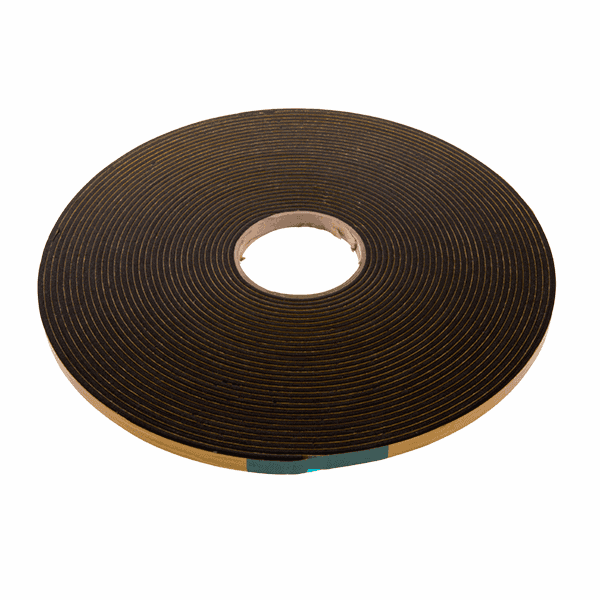
- Structural Glazing Tape - 20mm
- Security Glazing Tape
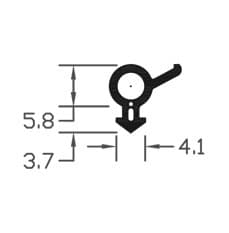
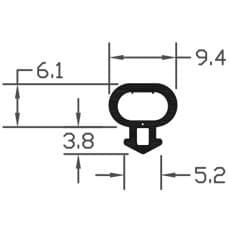
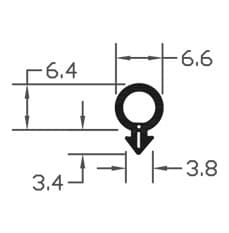
- B003 Bubble Gasket
- B004 Bubble Gasket
- B007 Bubble Gasket
Conclusion and next steps
Selecting the right glazing tools improves the quality and longevity of double glazing repairs. Tradespeople will benefit from investing in robust suction lifters, precision packers and professional sealant guns; homeowners should prioritise safety kit, bead lifters and accurate measuring tools. For materials, sealants and spare parts see our central resource at /guides/double-glazing-supplies.
Next steps: assess the scope of your repair, gather the specific glazing tools listed above, and if the job involves tempered glass or structural frame repair consider engaging a qualified glazier. For product recommendations and trade pricing contact Window Hardware Store or visit our supplies page for more details.
Products mentioned in this article
Related articles
How Old uPVC Window Parts Differ from Modern Replacements
How Old uPVC Window Parts Differ from Modern Replacements Older uPVC windows fitted in the 1980s and 1990s were robust for their time, but the components u...
Glazing Tools Safety Guide: Avoiding Common Injuries
Glazing Tools Safety Guide: Avoiding Common Injuries Working with glazing tools carries a real risk of cuts, crushed fingers and slips when handling panes ...
How to Maintain Your Glazing Tools for Longer Life
How to Maintain Your Glazing Tools for Longer Life Whether you are a trade glazier or a DIY homeowner replacing a pane, well‑maintained glazing tools save ...