
uPVC Window Parts Troubleshooting: Match Your Problem to the Right Part
uPVC windows are reliable, low-maintenance and secure when the right components are working. When a window shows signs of wear or poor performance, identif...
uPVC windows are reliable, low-maintenance and secure when the right components are working. When a window shows signs of wear or poor performance, identifying which part is at fault is the quickest route to a fix. This post helps homeowners and trade professionals match common symptoms to the correct upvc window parts, gives practical DIY advice, and offers trade-level tips for efficient repairs.
Quick diagnosis: match symptom to part
Below are common faults and the likely parts responsible. These pointers will help you decide whether a simple adjustment, a replacement part, or a specialist call-out is needed.
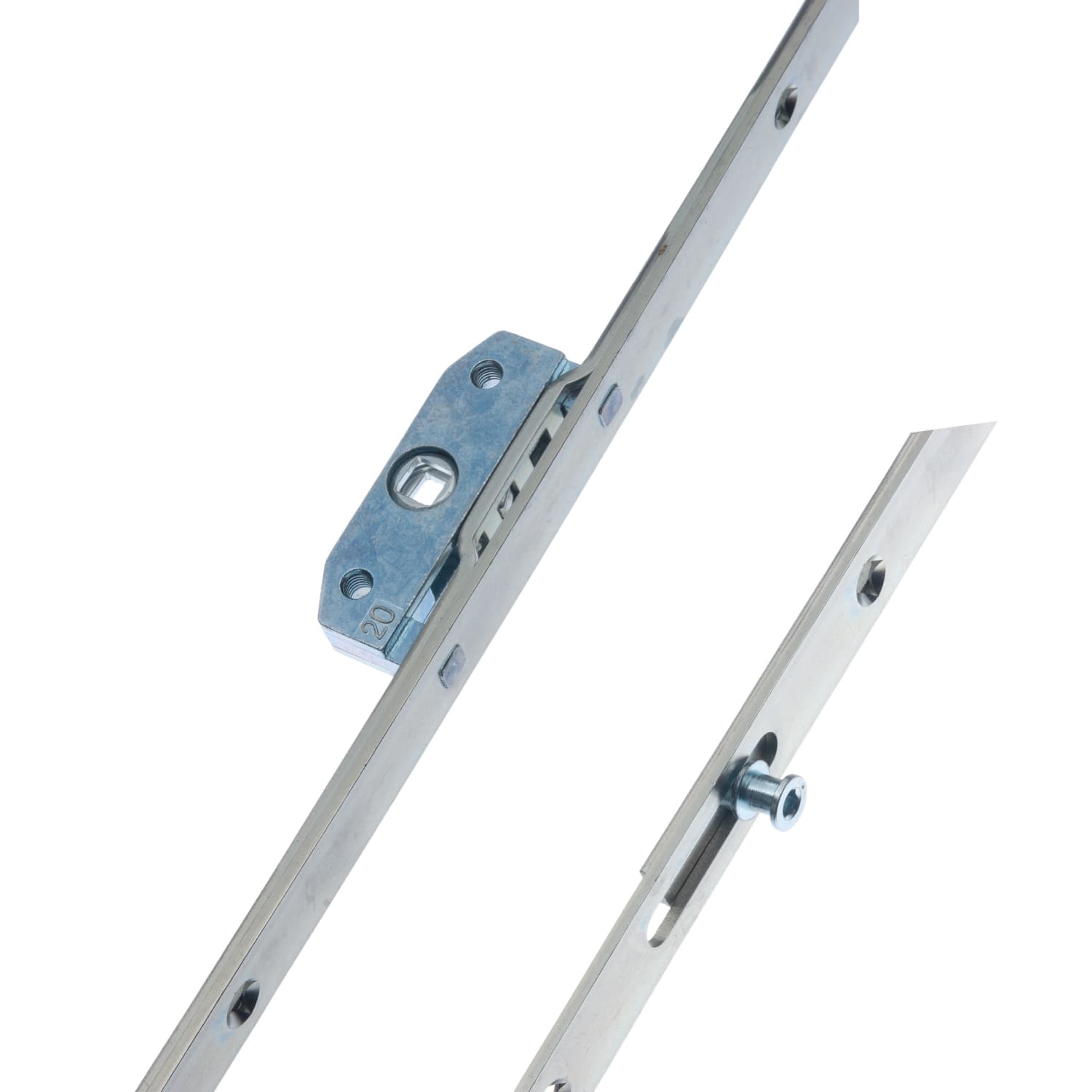
- Window won’t lock or handle turns freely: Faulty espagnolette gearbox, broken locking cams or worn spindle; check handle, spindle size and gearbox condition.
- Handle loose or stripped: Replace handle and spindle; often a 7mm square spindle fits many systems but measure before ordering.
- Window sticks, difficult to close: Hinges or friction stays misaligned; gaskets or beads may be deformed; check hinge screws and adjust or replace friction stay.
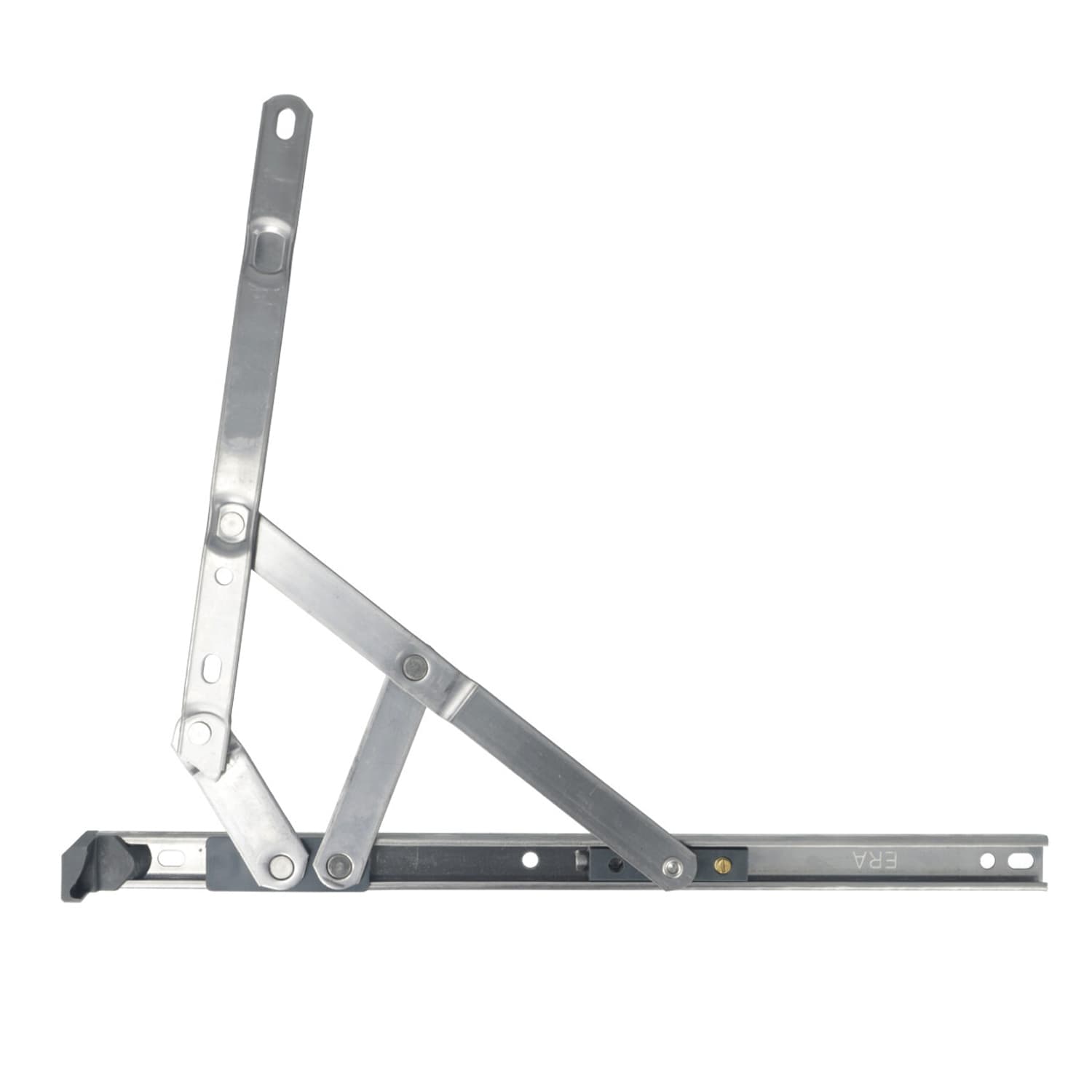
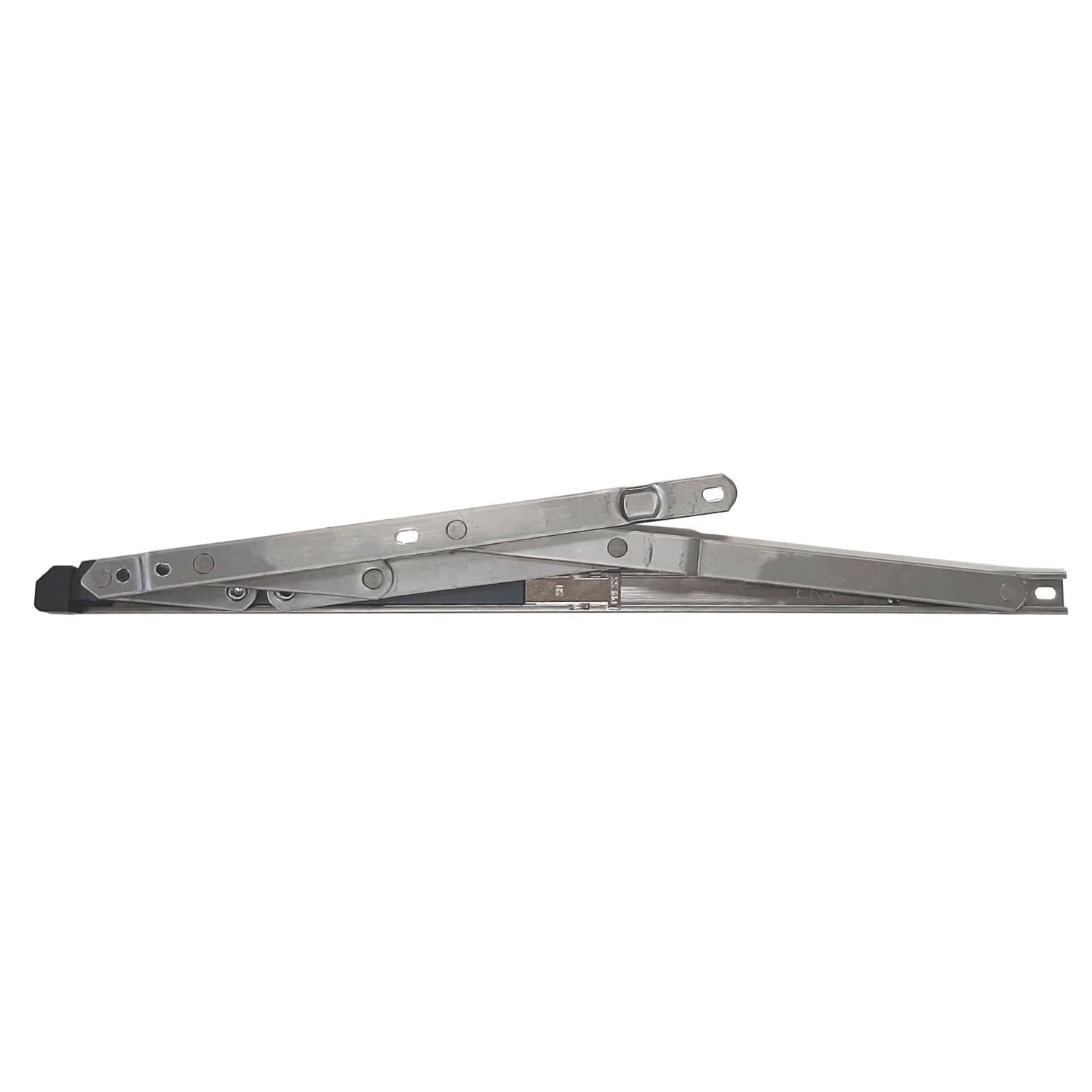
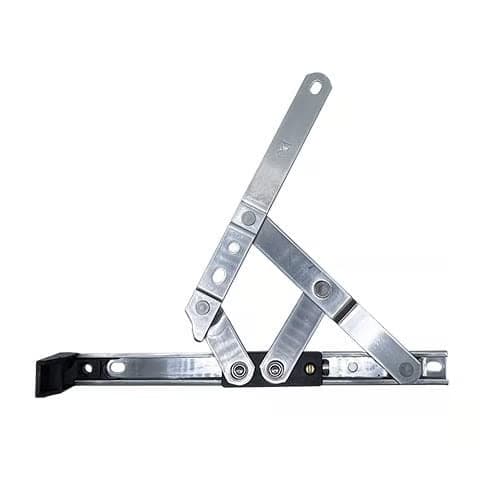
- Window does not stay open: Worn or broken friction stays or hinge restrictors; replace stays matched to sash weight and length.
- Rattling in the wind: Loose keeps/striker plates, missing packer or worn gaskets; tighten or replace keeps and check frame for movement.
- Drafts or water ingress: Damaged or compressed weatherseals/gaskets, cracked glazing beads or poor sealant; replace seals or re-bedded beads and reseal externally.
- Condensation between panes: Failed sealed unit (double-glazed unit); the unit needs replacing by a glazier or competent installer.
- Sash droops or misaligns: Broken hinge arms, worn pivot shoes or incorrect packers; replace hinge components and check frame alignment.
- Sliding window won’t move smoothly: Worn rollers, damaged tracks or buildup of debris; clean track and replace rollers or carriers.
Step-by-step DIY checks and fixes
Start with a few simple checks that resolve many problems before ordering parts. Always follow safety precautions: support the sash before removing fixings, wear cut-resistant gloves when handling glass and use a suction cup for heavy panes.
- Inspect visible fixings: tighten loose screws on handles, hinges and keeps; replace stripped screws with A2 stainless steel for corrosion resistance.
- Check handle spindle engagement: remove handle (usually two screws) and inspect spindle and grub screws; a damaged spindle often causes poor locking.
- Lubricate moving parts: use a silicone-based spray on gaskets and a dry graphite or silicone lock lubricant in locking mechanisms; avoid oil-based lubricants that attract dirt.
- Adjust hinges and keeps: most uPVC hinges and keeps are adjustable; adjust vertical and horizontal alignment to eliminate rubbing and improve compression. If adjustment does not help, fit replacement hinges or hinges of the correct weight rating.
- Replace weatherseals: run your finger along rubber seals to detect cracks or compression; seals are usually friction-fit and can be swapped out quickly using sealant where required.
- Glazing bead removal: if replacing sealed units or beads, carefully tap out beads using a plastic wedge and suction pad where needed; do not lever directly on the glass.
Parts to order: what to measure
When ordering upvc window parts, precise measurements save time. Trade professionals will already carry many standard items; homeowners should note these details before purchasing.
- Handle spindle size and length: common square spindles are 7mm, but confirm by measurement; note spindle projection and handle screw hole centres.
- Espagnolette length and end fittings: measure the visible rod length and note whether ends are roller, hook or mushroom cams; also check the number of locking points.
- Hinge and friction stay length: measure the stay length from pivot to end; note weight rating for sash and whether it is a butt hinge or tilt/turn hinge.
- Keeps and striker positions: note screw hole centres and whether the keep is adjustable; many modern keeps are reversible or adjustable to assist alignment.
- Sealed unit dimensions and bead profile: measure glass unit dimensions across the frame and note bead shape to order the correct unit and bead replacements.
When to repair and when to replace
Some components are simple to replace, others indicate wider problems with the frame or glazing unit.
- Replace parts: handles, espagnolette gearboxes, keeps, friction stays, rollers and seals are all typical replaceable items; these are straightforward for a competent DIYer or trade fitter.
- Call a specialist: persistent frame twist, large gaps, badly warped sashes or condensation within the sealed unit; these often require a specialist assessment or full unit/frame replacement.
- Security failures: if multipoint locking is compromised, avoid temporary fixes; replace the entire locking mechanism or call a locksmith specialised in uPVC hardware for secure restoration.
Trade tips: efficient stocking and installation notes
For installers and glaziers, keeping certain parts in stock reduces call-out time and increases first-time fixes.
- Stock common handles in white and chrome, multiple spindle lengths and sets of long espagnolette rods with common end fittings.
- Carry adjustable keeps and striker packs to manage on-site alignments and reduce rework.
- Keep a range of friction stays in different lengths and weight ratings; match the stay to the sash weight rather than guessing.
- Use neutral-cure silicone for external seals to avoid damaging PVC profiles; apply external sealant neat and allow proper curing for weather resistance.
- Document the profile type and handedness of windows during surveys; many jobs fail because parts ordered do not fit the specific window system.
Recommended Products
Based on this article, you may find these products helpful:
- Top Hung Friction Stay - 12"
- ERA Egress (Fire escape) Friction Stay
- TSS Standard Friction Stays – 13mm & 17mm Stack Height
- Restricted Friction Stay Hinges
- ERAB Espagnolette Window Lock Universal Lock Replacement
Conclusion and next steps
Matching the symptom to the correct upvc window parts usually leads to a fast and cost-effective repair. Start with basic checks: tighten screws, lubricate, and measure accurately before ordering parts. For condensation within the glass, warped frames or compromised security, contact a qualified installer or glazier.
For further reading and to source components, see our trades and DIY resources at /guides/double-glazing-supplies or contact Window Hardware Store for advice and parts availability.
Related articles
How Old uPVC Window Parts Differ from Modern Replacements
How Old uPVC Window Parts Differ from Modern Replacements Older uPVC windows fitted in the 1980s and 1990s were robust for their time, but the components u...
How to Maintain Your Glazing Tools for Longer Life
How to Maintain Your Glazing Tools for Longer Life Whether you are a trade glazier or a DIY homeowner replacing a pane, well‑maintained glazing tools save ...
Glazing Tools Safety Guide: Avoiding Common Injuries
Glazing Tools Safety Guide: Avoiding Common Injuries Working with glazing tools carries a real risk of cuts, crushed fingers and slips when handling panes ...