
uPVC Window Parts for Different Manufacturers: Identification Tips
uPVC Window Parts for Different Manufacturers: Identification Tips Knowing how to identify upvc window parts quickly saves time and money for both homeowne...
uPVC Window Parts for Different Manufacturers: Identification Tips
Knowing how to identify upvc window parts quickly saves time and money for both homeowners and trade professionals. This post covers practical identification techniques, common manufacturer cues, measurement checks and safe DIY steps so you can source the correct components or brief a supplier accurately.
Why correct identification matters
Replacing the wrong part can mean poor security, leaks, or a sash that will not operate correctly. Different manufacturers use distinct hardware families and fixings; a handle, espagnolette or hinge from one system may not be compatible with another. Accurate identification ensures the replacement part will fit the existing profile, maintain weather performance and keep the warranty valid where applicable.
Basic parts to know
- Handles and gearbox assemblies: operate the locking mechanism and contain the spindle and square drive.
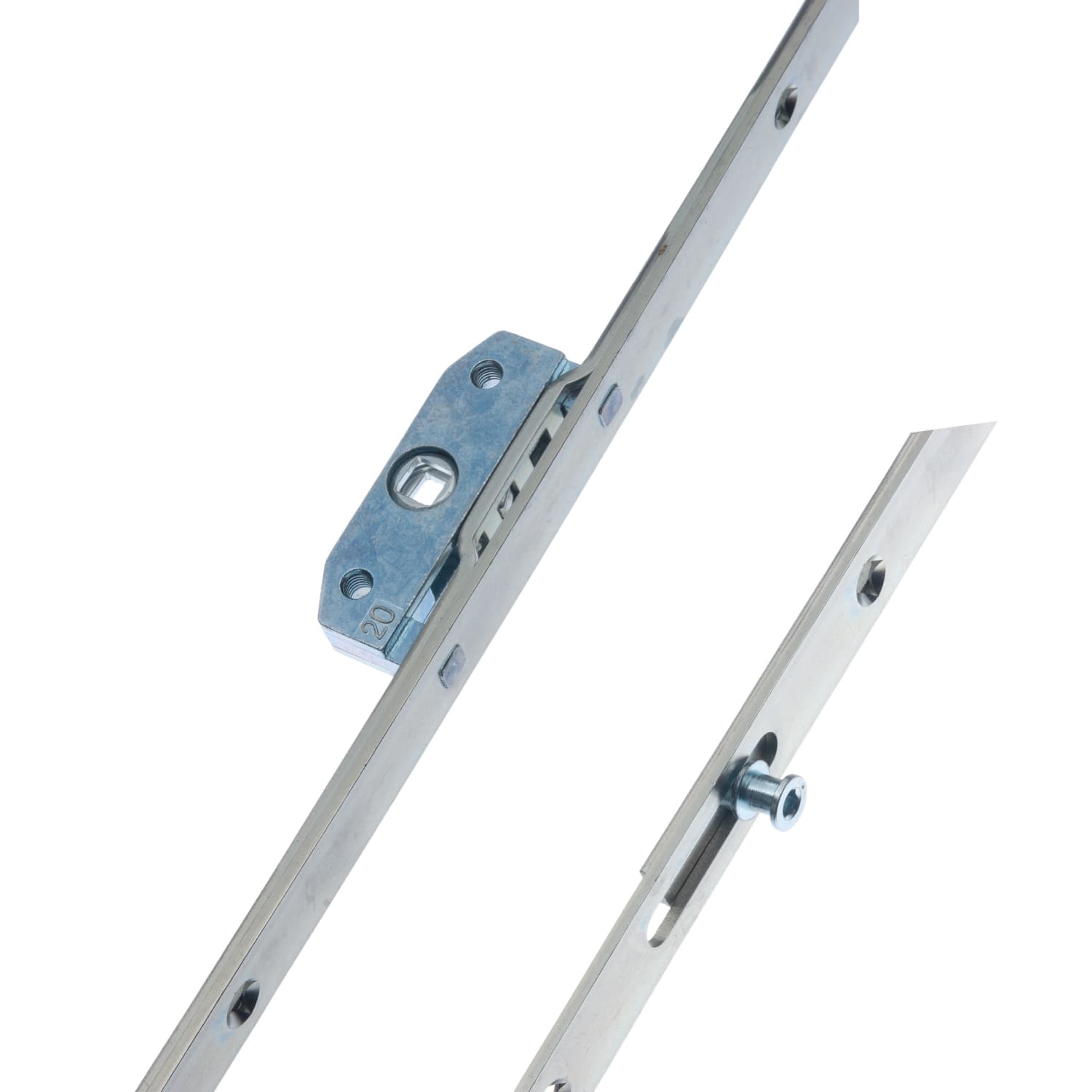
- Espagnolette rods and locking plates: vertical rods that engage keeps at head and cill; length and end fittings vary.
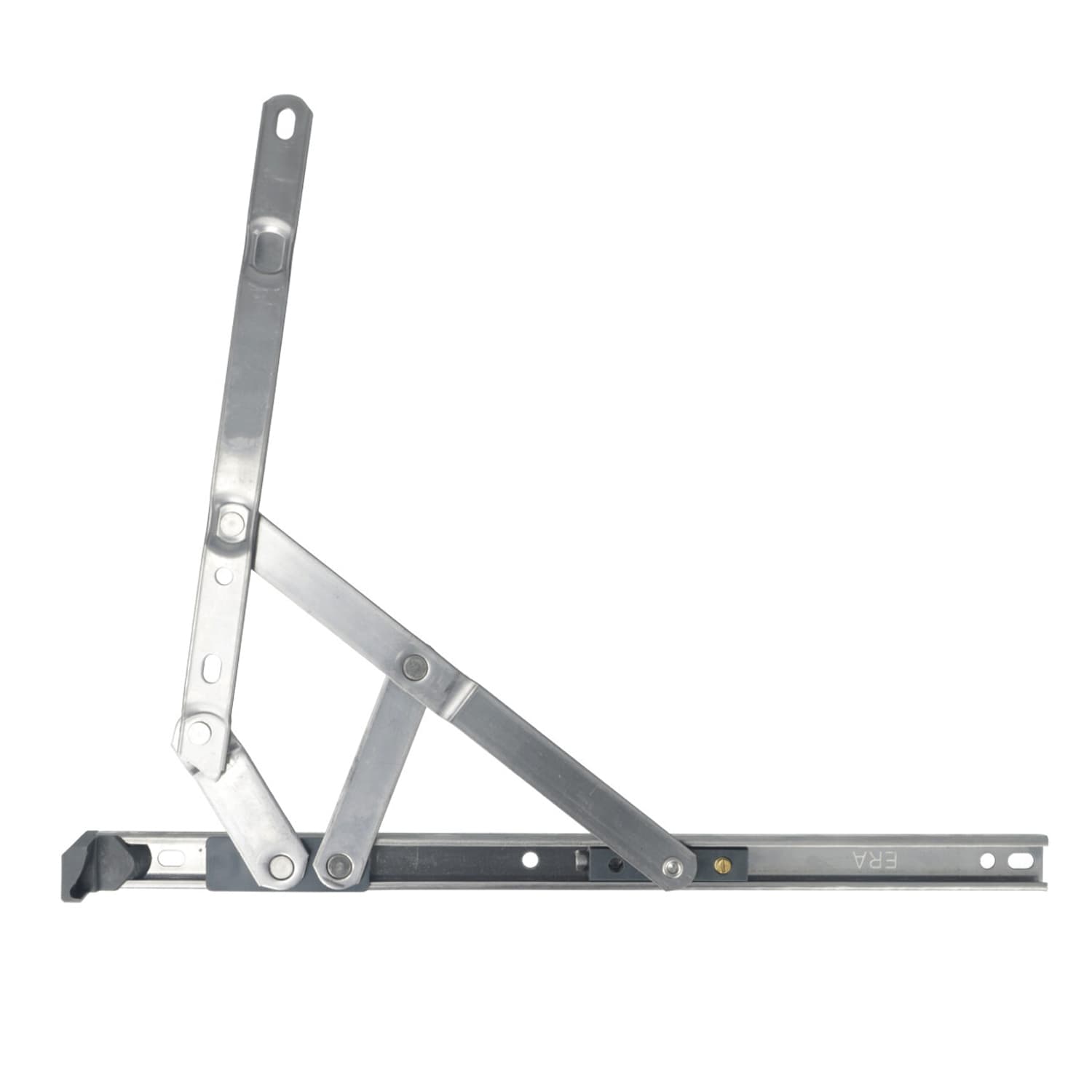
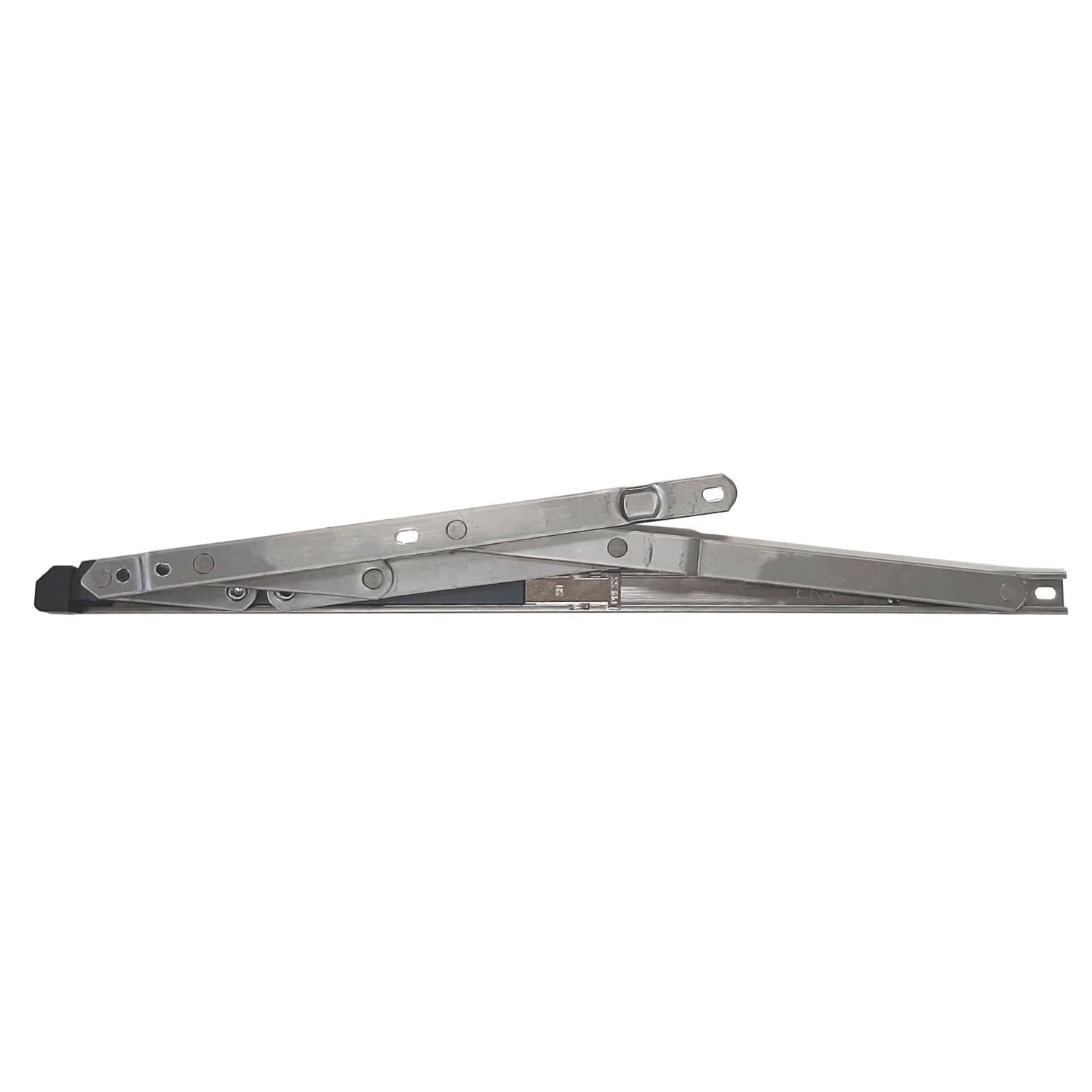
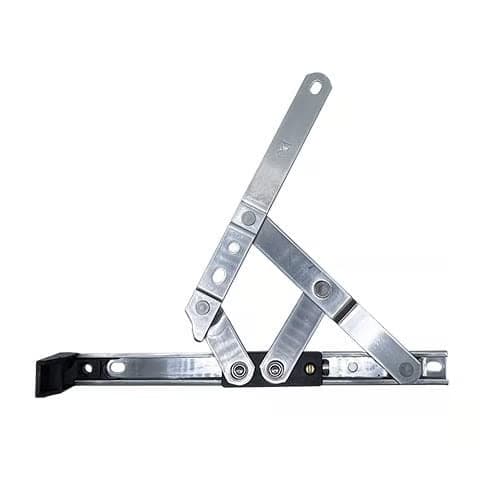
- Hinges and friction stays: for side-hung or top-hung sashes; pivot points, screw centres and stay lengths differ by make.
- Keeps and strikes: metal plates fixed to the frame that receive bolts, hooks or cams; screw centre spacing is crucial.
- Mushroom cams, rollers and keeps: part of multipoint systems that compress seals and lock the sash.
- Seals and glazing beads: affect draught proofing and glass retention; bead profiles are profile-specific.
Visual clues and maker marks
Start with simple inspection. Many hardware manufacturers imprint logos, part numbers or letters on accessible faces. Typical places to check include the back of the handle rose, the face of the gearbox or the hinge barrel. Take clear photos of any stamped or moulded marks before removing parts.
- Logos and letters: GU, Roto, Winkhaus, Siegenia and Maco are common; look for small stamped marks on metalwork.
- Part numbers: a stamped code often begins with letters followed by digits; note the full string.
- Distinctive shapes: some manufacturers use particular handle profiles or mushroom cams; familiarity helps quick ID.
Essential measurements to record
Precise measurements allow matching when maker marks are absent. Record the following with a steel rule or caliper:
- Screw centres on hinges and keeps: measured between fixing holes edge to edge and centre to centre.
- Spindle size and length: square spindle commonly 7mm; record overall length and whether it is 35mm, 45mm or longer.
- Backset and faceplate size for gearboxes: common backsets are 16mm and 22mm; measure faceplate width and length.
- Distance between locking points on espagnolette rods: measure overall rod length and the distance from the gearbox to the first locking point.
- Hinge pivot centre and stay length: measure from the frame fixing line to the sash fixing line and the stay arm length when open.
Manufacturer-specific tips
While many systems are interchangeable, certain visual and measurement traits point towards particular manufacturers. Use these tips as starting clues rather than absolute rules:
- Roto and Winkhaus: often used on higher-end frames; look for neat, cast gearbox housings with embossed logos and distinctive cams.
- GU and Maco: common across mid-range installations; GU items sometimes have simple stamped codes on hinges and espagnolette components.
- Siegenia: known for tilt and turn hardware and compact gearboxes; handles may sit on a defined rose with small visible screws.
- Aftermarket brands (Fab&Fix, ERA): often supplied through builders merchants; these parts may have plain finishes and generic codes. Measure carefully to match.
Practical trade and DIY advice for replacements
Follow safe working practices and use the correct tools when handling upvc window hardware:
- Take photographs before dismantling so you can reassemble correctly; note orientation of cams and rods.
- Support the sash: loosen hinges or remove gearboxes only with the sash propped to prevent dropping and damaging seals or glass.
- Replace like for like where possible: if you cannot find the exact maker, match key dimensions: spindle size, backset, screw centres and rod lengths.
- Use proper thread-locking or anti-corrosion washers on external screws; avoid over-tightening which distorts upvc and hinders operation.
- Lubricate moving parts with a dry PTFE spray or light machine oil; do not use heavy grease on gearbox internals as it attracts grit.
When to consider universal parts or trade solutions
Some upvc window parts are available as universal kits: adjustable espagnolette rods, reversible handles and shim kits for hinges. These can solve compatibility issues on site, but verify that universal keeps and strikes will engage the locking points correctly to maintain security and compression on the seals.
For complex multipoint gearboxes or older proprietary systems, trade suppliers can sometimes source obsolete parts from specialist stockists; provide part numbers, clear photos and all measurements to speed up identification.
Common troubleshooting checks
- Sash not locking: check for worn mushroom cams or misaligned keeps; adjust keeps slightly before replacing parts.
- Draughts or leaks: inspect compression by observing whether mushroom cams sit into keeps fully; damaged gaskets or incorrect bead profile may be the cause.
- Stiff operation: inspect hinges for seized bearings and clean/lubricate; check gearbox for damaged teeth or stripped locking cams.
Recommended Products
Based on this article, you may find these products helpful:
- Top Hung Friction Stay - 12"
- ERA Egress (Fire escape) Friction Stay
- TSS Standard Friction Stays – 13mm & 17mm Stack Height
- Restricted Friction Stay Hinges
- ERAB Espagnolette Window Lock Universal Lock Replacement
Conclusion and next steps
Correctly identifying upvc window parts reduces callbacks and ensures safe, efficient repairs. Before ordering, photograph the existing hardware, note any maker marks and record the key measurements listed above. If in doubt, contact a specialist supplier with your photos and dimensions; our team at Window Hardware Store can help match parts or advise on universal alternatives. For further reading and product options see our pillar resource: /guides/double-glazing-supplies.
Related articles
How Old uPVC Window Parts Differ from Modern Replacements
How Old uPVC Window Parts Differ from Modern Replacements Older uPVC windows fitted in the 1980s and 1990s were robust for their time, but the components u...
Glazing Tools Safety Guide: Avoiding Common Injuries
Glazing Tools Safety Guide: Avoiding Common Injuries Working with glazing tools carries a real risk of cuts, crushed fingers and slips when handling panes ...
How to Maintain Your Glazing Tools for Longer Life
How to Maintain Your Glazing Tools for Longer Life Whether you are a trade glazier or a DIY homeowner replacing a pane, well‑maintained glazing tools save ...