Flag Hinge Adjustment: Fixing Dropped or Misaligned Doors
Flag Hinge Adjustment: Fixing Dropped or Misaligned Doors Why doors drop or become misaligned A dropped or misaligned door is one of the most common call-o...
Flag Hinge Adjustment: Fixing Dropped or Misaligned Doors
Why doors drop or become misaligned
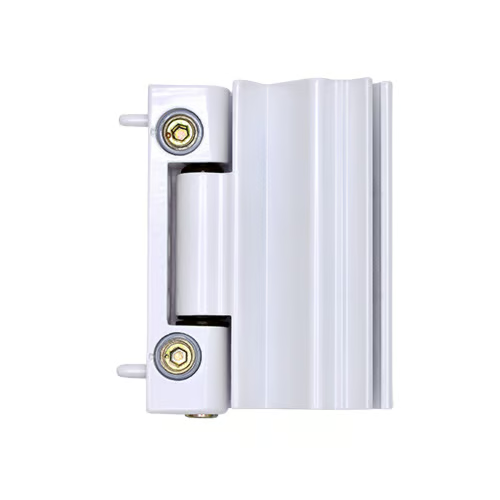
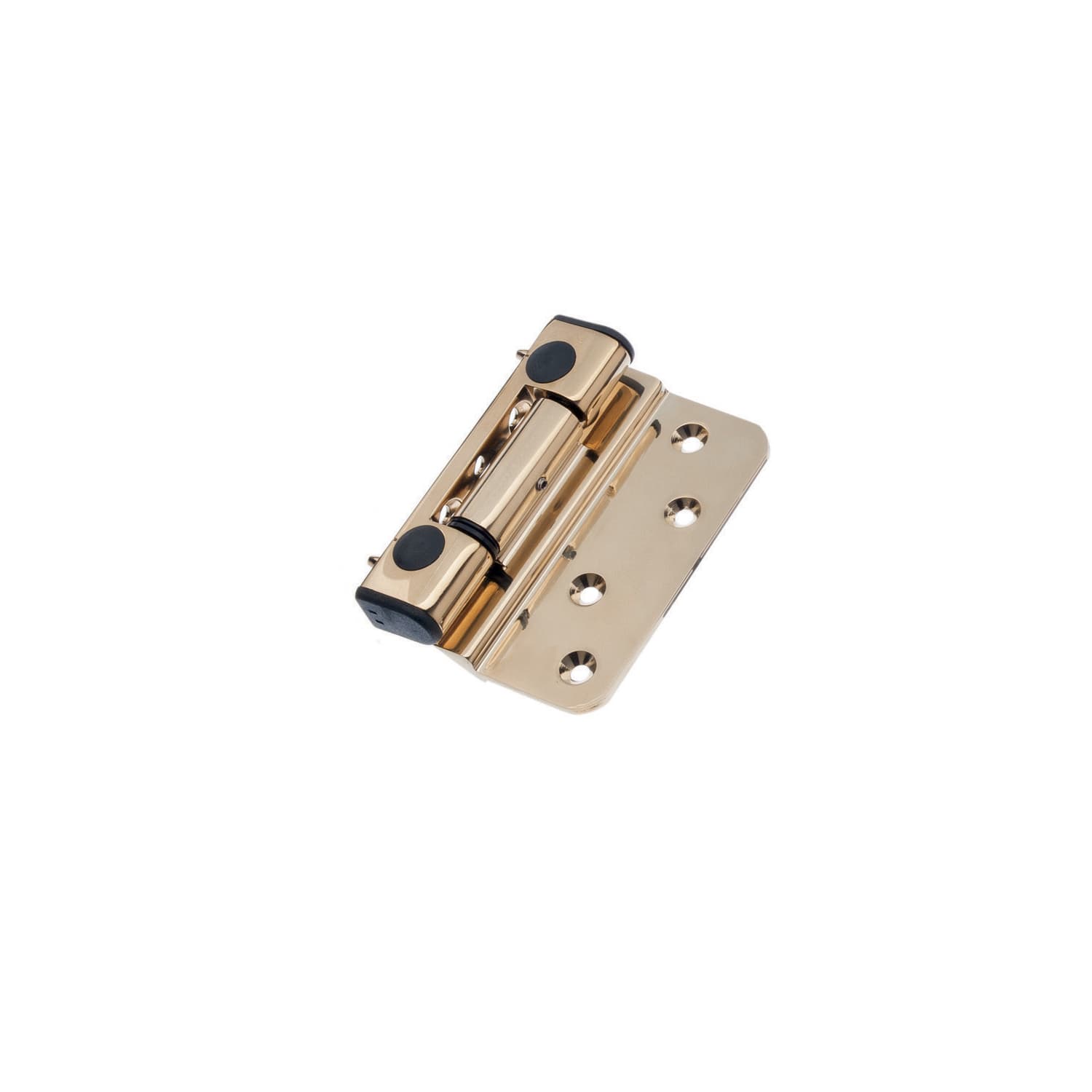
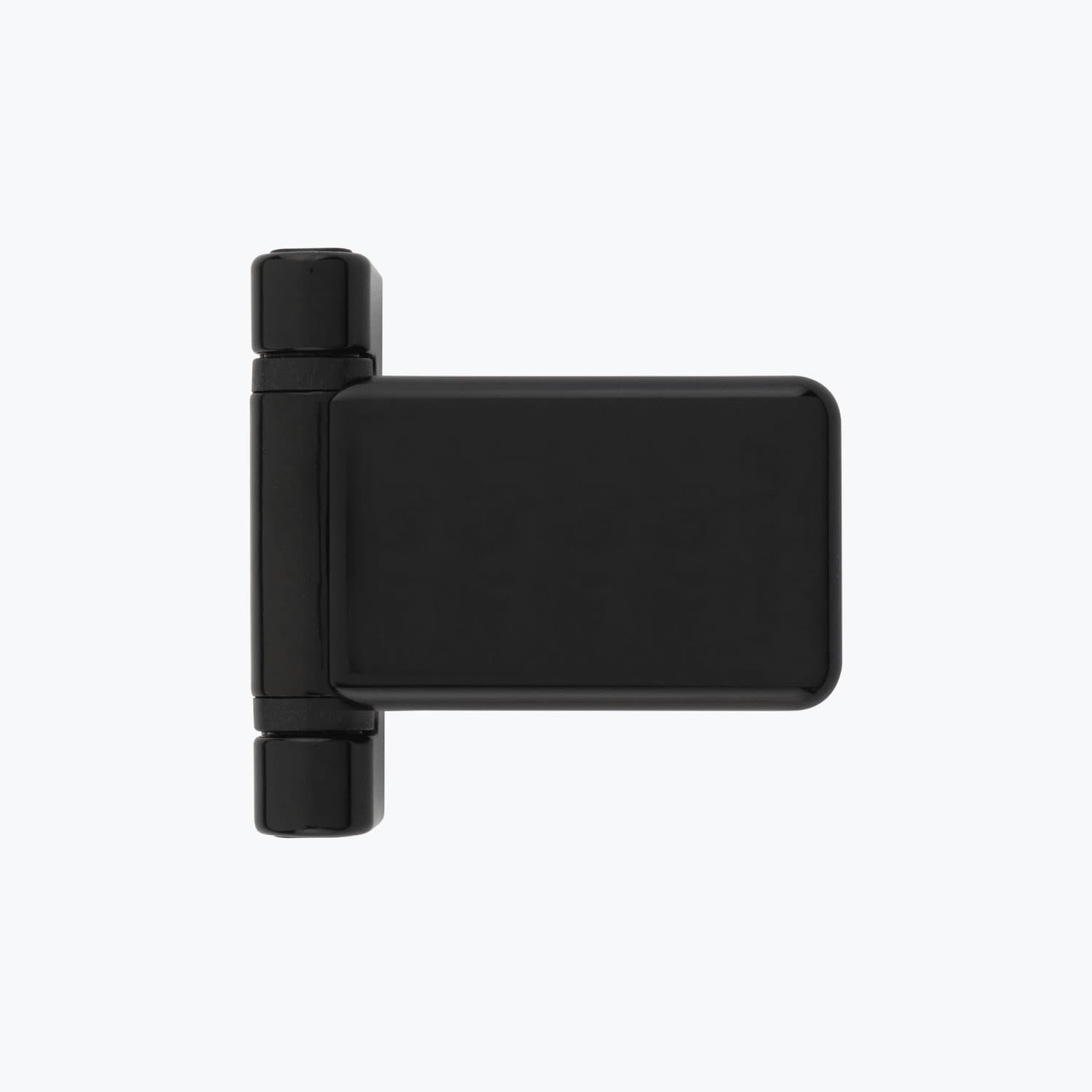
A dropped or misaligned door is one of the most common call-outs for both homeowners and trade installers. The problem is usually down to movement in the hinge line rather than the lock itself: screws have worked loose; the timber has shrunk or swollen; mortices are oversized; or the hinge bearings and pin have worn. A flag hinge, a type of hinge used where a separate leaf mounts into the frame and the flag or plate carries the pivot, can give the advantage of easier adjustment or replacement. However, like all hardware it can fail if it is under-specification for the door weight or fitted incorrectly.
Tools and materials you will need
- Screwdrivers: Pozidriv and flat for traditional screws; Torx and Allen keys if adjustment screws are supplied
- Cordless drill with appropriate bits
- Long wood screws: 60mm to 80mm, 6g or 8g for internal doors; 8g to 10g for heavier external doors
- Packer/shims and a prop or wedge to support the door
- Replacement flag hinge or adjustable hinge set if required
- Timber dowels and PVA or epoxy resin for stripped screw holes
- Spirit level and tape measure
- Chisel and block plane for minor mortice adjustments
Initial inspection and diagnosis
Before you start adjusting, identify the fault clearly: is the door rubbing at the top, bottom or along the lock edge; does the face gap vary; can you see play at the hinge knuckle? Remove the faceplate trims if required and examine the hinge fixing screws in both frame and door leaf. Flag hinge problems often show as movement at the frame fixings because the flag plate is carrying the pivot load.
Safety and preparation
Always support the door before you loosen hinge screws. Use a packer or prop under the door at the lock location so the door will not drop when you undo fixings. Make note of the original hinge positions with a pencil so you can return the hinge to the same orientation if you need to replace it.
Step-by-step: basic flag hinge adjustment
- Support the door: place a packer under the door at the latch height to take the weight and remove load from the hinge fixings.
- Tighten the screws: often the simplest fix; tighten all hinge screws in the frame and door leaf. If screws spin in the timber, do not overtighten; that will strip the hole further.
- Use longer screws: replace short, shallow screws with longer screws that penetrate deep into the framing timber; 60mm to 80mm screws are common to reach the structural stud behind a frame.
- Check manufacturer's adjusters: many modern flag hinges have set or adjustment screws for vertical or lateral movement; use the correct Allen or Torx key to move the hinge incrementally and test the door operation after each small adjustment.
- Minor lateral correction: if the door needs to move toward or away from the frame, adjust the hinge's lateral slot or move the hinge leaf slightly within its screw slots; re-seat and tighten screws once correct.
- Vertical adjustment: if the door is dropped, adjust the hinge by raising the flag leaf or packing under the frame hinge if the hardware allows. Where the hinge is not adjustable, you may need to reposition the hinge or use a shim behind the hinge plate in the frame.
Dealing with stripped or damaged screw holes
Stripped holes are a common cause of recurring door droop. Repair options:
- Tapered hardwood dowel: drill out the old hole, glue a hardwood dowel in with PVA or epoxy, trim and re-drill the pilot hole for the original screw size.
- Epoxy repair: for a quicker trade fix use a resin repair system designed for timber; this sets hard and accepts new screws.
- Move the hinge position: if the frame timber is compromised, consider moving the hinge slightly and re-mortice so the new screws bite into sound timber.
When to replace the flag hinge
Replacement is necessary when there is excessive wear at the knuckle or the hinge no longer provides smooth pivoting. Choose a hinge rated for the door weight and frequency of use: heavy external doors need stronger flag hinges or ball-bearing hinges. For fire doors or doors with intumescent strips, always fit certified replacements and follow the fire door requirements; do not compromise certification by modifying a certified assembly.
Special considerations: uPVC and composite doors
uPVC and composite frames do not accept traditional timber screws. For uPVC use frame-fixings that anchor into the reinforcement chamber or use specialist screwed fixings; ensure you reach steel or solid substrate within the frame. Composite doors often have pre-formed fixing points; follow manufacturer recommendations. If in doubt, remove the door and seek manufacturer spare parts or professional fitment to avoid damaging the frame.
Trade tips for a durable repair
- Always use screws long enough to reach the structural timber; short screws into the frame skin will not hold under load.
- Use corrosion-resistant hardware for external doors: stainless or suitably plated fixings will prolong life.
- If adjusting a pair of doors or rebated doors, adjust all hinges systematically so the door plane remains straight; a misaligned single hinge can twist the sash.
- Check the lock striker plate alignment after hinge adjustments; small changes to the hinge position can affect latch engagement.
Final checks
When adjustments are complete, run the door through its full swing and check gaps at top, middle and bottom with a feeler or simply by eye. Confirm the latch engages smoothly and that the door closes without forcing. Refit any trims and test again after 24 hours; timber doors can settle and may need a final tweak.
Recommended Products
Based on this article, you may find these products helpful:
- Flag Door Hinge - Stainless Steel
- Adjustable Flag Hinge - 100mm
- Fab&Fix Classic Flag Hinge
- ERA Composite Door Flag Hinge
- ERA Challenger 3D Rebated Hinge
Conclusion and next steps
Flag hinge problems are usually straightforward to diagnose and fix: support the door, tighten or replace screws, use longer fixings into sound timber, and make small, controlled adjustments. If the frame is damaged or the hinge is worn, replace the hinge with one suited to the door weight and use the correct repair method for stripped holes. For further reading on hinge types and installation best practice, see our pillar page on door hinges.
Next steps: if the door remains problematic after these checks, consider removing the door and fitting a new set of heavy-duty or adjustable flag hinges, or contact a professional if the door is a fire door or the frame is structurally compromised.