Flag Hinge Problems: Common Issues and Solutions
Flag Hinge Problems: Common Issues and Solutions Flag hinges are a popular hinge type for doors, shutters and windows where one leaf is designed to lift of...
Flag Hinge Problems: Common Issues and Solutions
Flag hinges are a popular hinge type for doors, shutters and windows where one leaf is designed to lift off a fixed pintle; they make removal for maintenance or decoration straightforward. Whether you are a UK homeowner carrying out a DIY repair or a trade professional looking for practical troubleshooting, this post covers common flag hinge faults, how to diagnose them and reliable repair or replacement options.
What is a flag hinge and where it is used
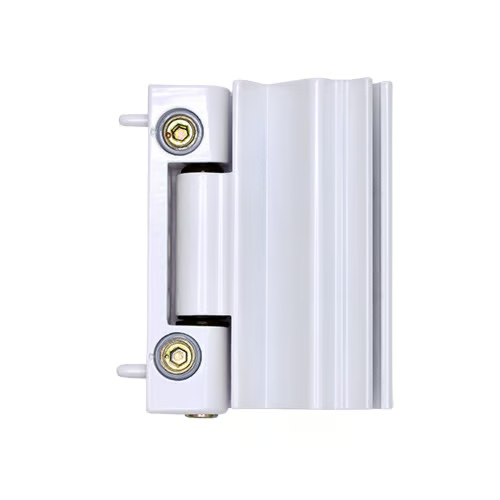
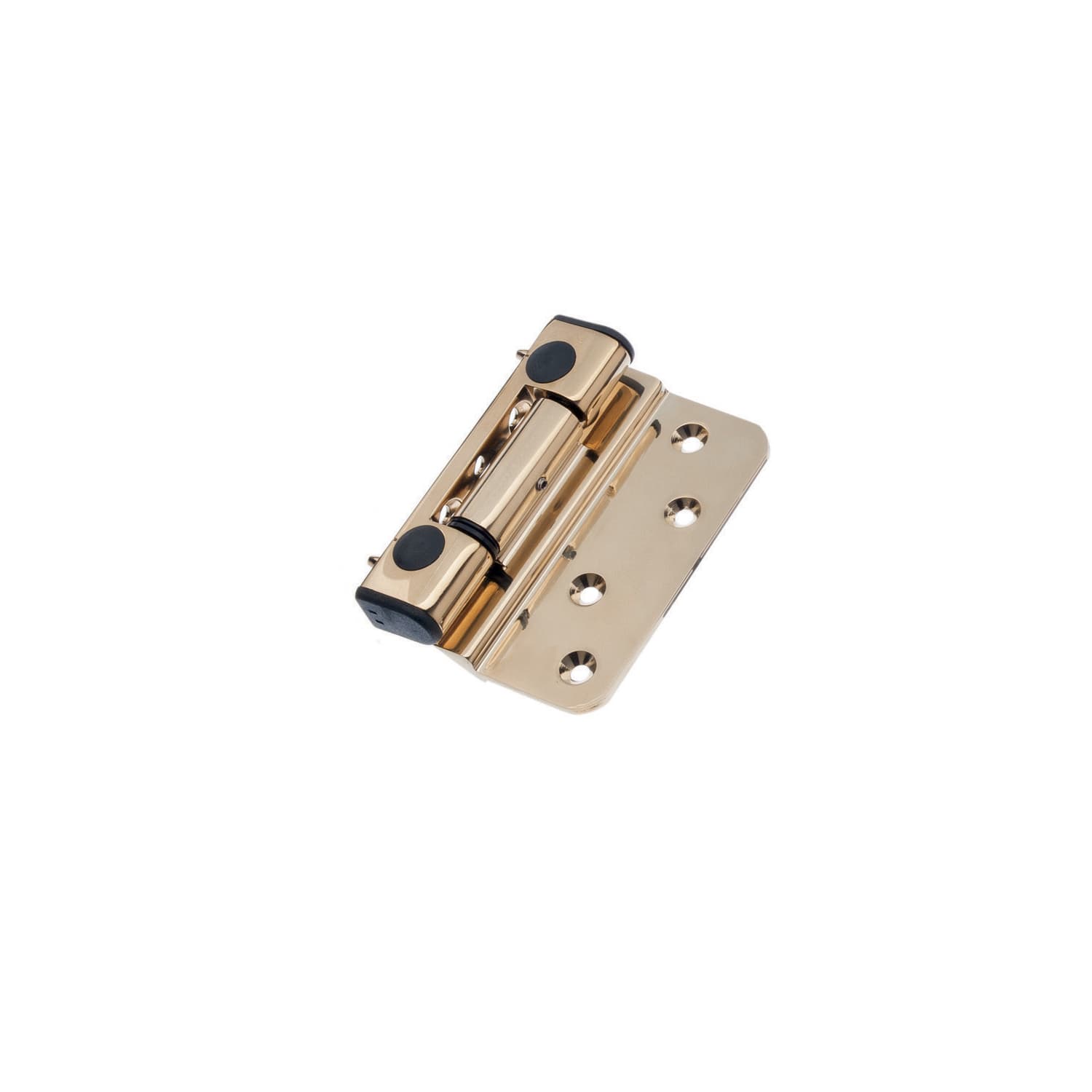
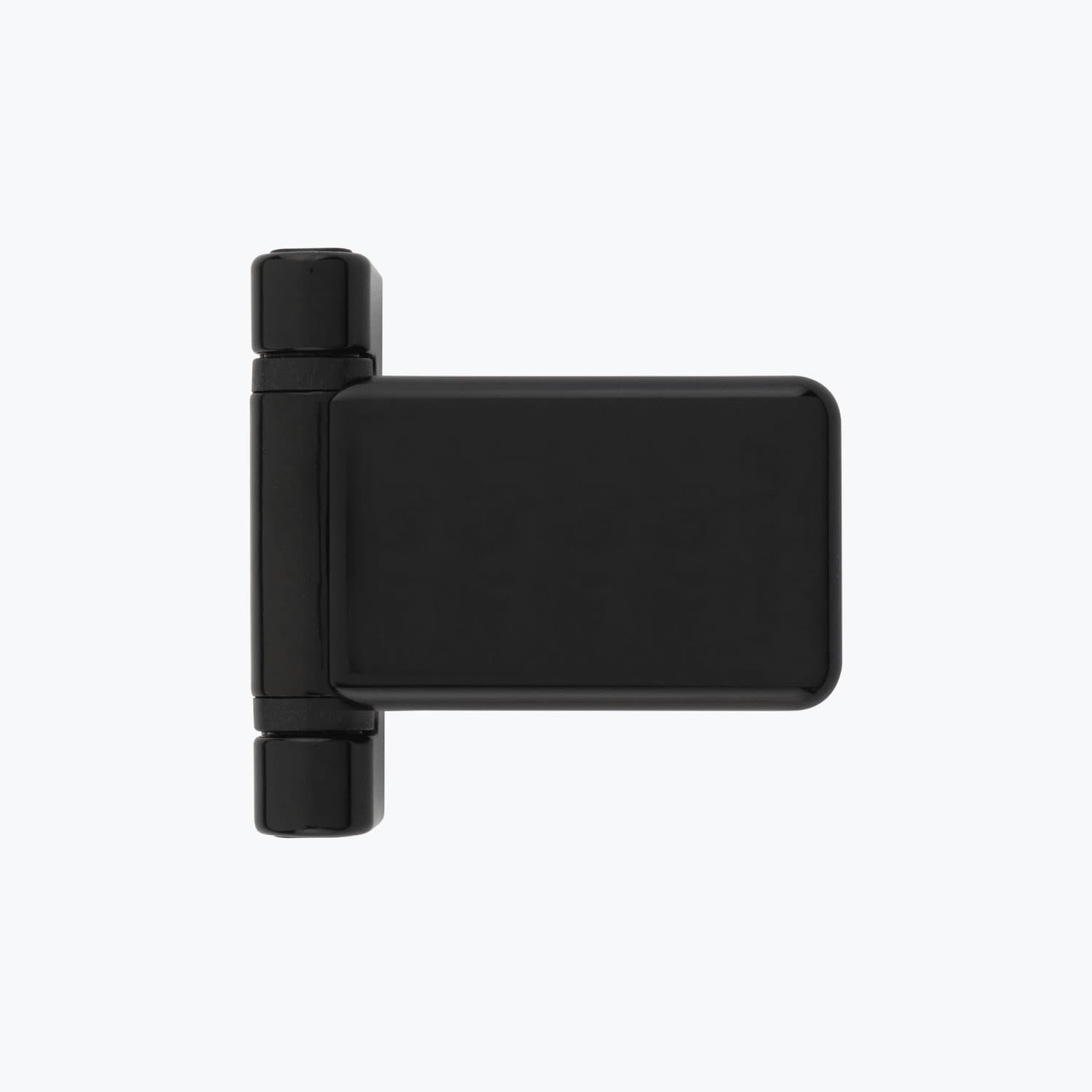
A flag hinge is a removable hinge assembly where one part is a fixed pintle or pin and the other is a flag-shaped leaf that drops onto the pin. They are most commonly used on timber doors, garden gates, casement windows and internal access panels where occasional removal of the leaf is required. Variations come in different sizes, load ratings and finishes: brass, stainless steel, galvanised and powder-coated steel are typical choices for internal and external use.
Common flag hinge problems
- Sagging or drooping door: The door hangs lower on one side so it binds against the frame or floor. Causes include loose screws, worn knuckles or undersized hinges for the door weight.
- Misalignment or uneven reveal: The gap between door and frame changes along the edge. This commonly results from shifting fixings, settlement of the frame or incorrect hinge positioning.
- Stiff or tight movement: The hinge is hard to operate; often caused by paint build-up, dirt ingress, corrosion or a seized pintle.
- Squeaking or noisy operation: Lack of lubrication or metal-to-metal contact can cause persistent noise when opening or closing.
- Corrosion or pitting: External flag hinges exposed to weather can rust, which reduces strength and leads to failure.
- Loose or stripped screw holes: Screws pull out from softwood or old timber, causing movement and instability.
- Painted-up or seized hinge: Layers of paint can glue the hinge together so it no longer drops onto the pintle, making removal impossible without damage.
Troubleshooting and DIY fixes
Use the following practical steps to diagnose and repair flag hinge problems. Always support the door or window leaf before removing any fixings; this is a two-person task for heavy doors.
- Check fixings first: Tighten all screws on the hinge leaves. If screws spin, remove them and fit longer No.10 or No.12 woodscrews to reach the framing timber. For softwood or degraded timber, use a hardwood packer behind the hinge or replace the screw with a coach bolt where possible.
- Lift and check the pintle: If the leaf will not lift free, remove paint from the knuckle with a utility knife and apply penetrating oil. Tap the leaf gently with a rubber mallet while lifting. Do not use excessive force; damage may be expensive to repair.
- Lubrication: Clean away grit and old lubricant. Apply a light machine oil or PTFE spray to the pintle and moving parts; avoid heavy grease on external hinges as it attracts dirt.
- Adjusting sag: If tightening fixings does not cure sagging, remove the leaf and add thin metal or timber shims under the hinge leaf on the frame or door to alter the reveal. Refit and test; repeat until alignment is correct.
- Dealing with stripped holes: For a quick repair use a hardwood matchstick or dowel with wood glue to refill the hole, let it cure and refit the screw. For a long-term repair, drill out and insert a hardwood plug or use a timber repair epoxy. In structural or repeated-fail situations, refit the hinge into fresh timber or anchor into a packed area.
- Corrosion repair: Light surface rust can be removed with a wire brush; protect the metal afterwards with a suitable rust-inhibiting primer and finish coat. For severely corroded hinges, replace with stainless steel or galvanised equivalents rated for external use.
- Re-bedding hinges: If the hinge seat is uneven because of old paint, plane or chisel the area back to clean timber and re-bed the hinge so it sits flush; this restores correct geometry and prevents binding.
When to replace a flag hinge and how to choose a replacement
Replace a flag hinge when the pintle or knuckle is visibly worn, the hinge no longer holds the load despite repairs, or corrosion has compromised the metal. Choose a replacement based on:
- Size and screw positions: Match the new hinge to the existing mortice or surface screw layout where possible to avoid new woodwork.
- Load rating and number of hinges: Heavier doors may require larger flag hinges or an extra hinge. Typical residential doors often use three hinges; gates and heavy external doors will need larger or additional hinges.
- Material and finish: Use brass or stainless steel for coastal and high-humidity areas. Galvanised or powder-coated steel is suitable for painted external doors; choose a finish that matches the door furniture.
- Removable pin feature: Ensure the replacement has a removable leaf if you need regular removal for maintenance or painting.
Trade tips and best practice
- Always use pilot holes for hardwood and especially for close-grained timbers to prevent splitting; countersink screws where appropriate for a flush fit.
- Fit screws into the frame first; this allows you to lift and accurately locate the leaf. For heavy doors, fit the top and bottom hinges initially, then the middle hinge to carry the load.
- When dealing with masonry frames, use stainless steel screws with suitable wall plugs or resin anchors; do not rely on short woodscrews into brick or blockwork.
- For fire doors or doors with certification, consult the door manufacturer and use approved hinges and fitting patterns; altering certified doors can void the certificate.
- Record maintenance: log hinge replacements and lubrication in site or house maintenance records to keep on top of wear.
Maintenance schedule
Regular maintenance extends hinge life and prevents many common problems. For domestic properties aim to:
- Inspect hinges visually every six months for loose fixings or corrosion.
- Lubricate moving parts twice a year; more frequently in coastal areas or where doors are used heavily.
- Touch up paint or finish to prevent moisture ingress on external hinges.
Conclusion: Start by tightening and lubricating; if the problem persists, investigate the pintle and fixings, then consider shimming or replacement. For complex issues such as stripped frames, structural movement or certified fire doors, consult a professional. For further technical information on door hinges and fitting techniques, visit our pillar page: /guides/door-hinges or contact Window Hardware Store for parts and trade support.
Recommended Products
Based on this article, you may find these products helpful: