
Glazing Tools Every Homeowner Should Own
Glazing Tools Every Homeowner Should Own Whether you are repairing a single-pane sash, fitting a replacement insulated glass unit, or installing secondary ...
Glazing Tools Every Homeowner Should Own
Whether you are repairing a single-pane sash, fitting a replacement insulated glass unit, or installing secondary glazing, having the right glazing tools transforms a fiddly job into a safe, accurate and professional finish. This post lists essential glazing tools for homeowners and trade professionals, offers practical trade advice and DIY guidance, and points to further resources at /guides/double-glazing-supplies.
Essential hand tools
These are foundational items that every homeowner should keep for routine glazing maintenance and small repairs:
- Glazing knife and putty knife: for applying and smoothing traditional linseed putty or modern glazing compounds; choose one with a comfortable handle and several blade widths.
- Beading or trim tool: to remove and replace glazing beads without damaging the frame; a soft-faced beading tool protects paintwork.
- Glazier’s points and point settler: for securing glass in timber frames when using points; the point settler ensures even seating.
- Hand saw/snips and small hacksaw: useful for trimming metal beads or cutting small aluminium profiles.
- Tape measure and combination square: accurate measuring is critical; check diagonals of frames to confirm squareness before glazing.
- Spirit level: a 600–1200 mm level is handy to ensure frames and sashes are plumb and level during installation.
Glass cutting and handling tools
Cutting and moving glass safely requires specialist equipment. Unless you are experienced, cutting larger IGUs is best left to a supplier; for smaller repairs these tools are useful:
- Oil-feed glass cutter: produces consistent, clean scores on float glass; use a carbide or tungsten wheel suited to the glass thickness.
- Running pliers and breaking pliers: to gently open a score and break the glass along a straight line.
- Suction cups and glass lifters: rated single- or multi-cup lifters allow one person to handle small panes; for insulated glass units use lifters rated for the unit weight and size.
- Glazier’s gloves and safety glasses: cut-resistant gloves and impact-rated eyewear are mandatory when cutting or installing glass.
Sealing, bedding and jointing
Quality sealing prevents draughts, water ingress and premature failure. Choose materials and tools appropriate to the framing material and seal type:
- Sealant gun: a robust, smooth-action caulking gun for silicone, polyurethane or MS polymer sealants; consider a cartridge gun that accepts 300 ml cartridges.
- Neutral-cure silicone and suitable primers: neutral-cure silicones are kinder to aluminium and coated surfaces; always use the primer recommended by the sealant manufacturer for reliability.
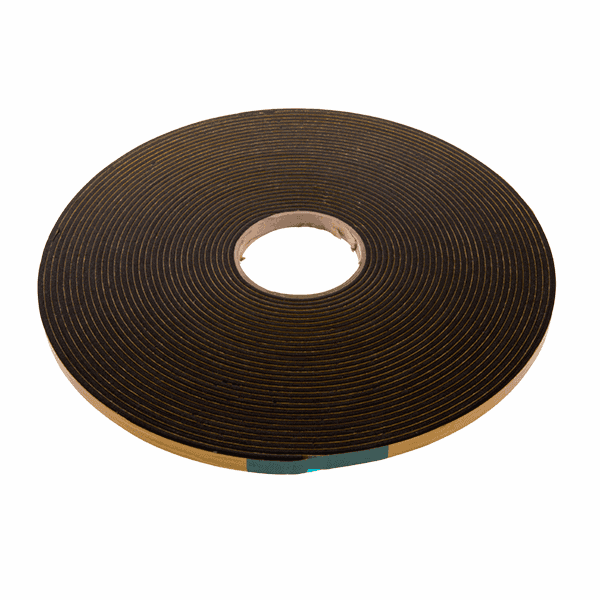
- Butyl glazing tape and closed-cell foam tape: for bedding IGUs in metal frames or where a warm-edge seal is required; tapes provide fast, clean joints for many double-glazing installations.
- Glazing putty and linseed oil: for traditional timber windows use ready-mixed putty or mixable putty; allow adequate curing time and protect with paint.
- Smoothing tools and spatulas: small rubber finishing tools and clean rags help achieve neat sealant or putty joints.
Installation aids and packers
Consistent spacing and correct support are crucial for the longevity of glazed units. These aids are common on both trade jobs and DIY projects:
- Setting blocks: place under the glazed unit at manufacturer-recommended positions, usually near quarter points; they support the unit and prevent edge stress.
- Glazing packers and shims: available in various thicknesses and materials such as nylon or EPDM; use them to level and centralise units within the frame.
- Corner protectors and edge guards: protect glass edges during handling and installation.
- Tightening clamps and sash clamps: help hold frames square while the seal or putty cures; soft jaws prevent marking the frame.
Safety and handling
Moving and installing glass carries risks; follow these practical safety measures:
- Always wear appropriate PPE: cut-resistant gloves, safety boots, eyewear and, where required, a dust mask or respirator when grinding or removing old sealant.
- Use correct-rated lifting equipment: never rely on a single, small suction cup for large or heavy IGUs; use multi-cup lifters rated above the unit weight.
- Work with a partner for larger units: two-person lifts reduce the chance of damage and injury, particularly on site in awkward positions.
- Dispose of broken glass safely: use marked containers and follow local disposal rules to protect others.
Trade advice and practical tips
These practical pointers reflect trade best practice and help avoid common pitfalls:
- Follow manufacturer tolerances: different IGU and frame manufacturers specify setting block positions, perimeter gaps and recommended packer thickness; always check the installation data sheet before glazing.
- Allow for thermal movement: build in a small clearance around the unit to accommodate expansion and contraction; excessive restraint at frame edges causes stress and potential failure.
- Support weight correctly: ensure setting blocks are sized to carry the weight of the unit and placed to avoid transfer of load to the bead or sealant.
- Use the right sealant for the substrate: silicone used on timber can stain; special primers and neutral-cure products protect coatings and metal finishes.
- Keep a small kit for emergencies: spare glazing tape, a handful of packers, a cartridge of multipurpose sealant and a small set of points can turn an urgent repair into a quick, professional job.
DIY vs trade work: when to call a glazier
Small single-pane repairs, refitting loose beads, or replacing panes in timber frames can be appropriate DIY tasks when you have the right tools and PPE. However, call a professional glazier for larger double-glazed units, structural replacements, or any installation that requires guarantees and compliance with building regulations. Trade glaziers carry specialist lifters, access equipment and insurance that homeowners typically do not.
Recommended Products
Based on this article, you may find these products helpful:
- Structural Glazing Tape - 20mm
- Security Glazing Tape
- E-Type Gasket - Black 5m Roll
- E-Type Gasket - Black (Per Metre)
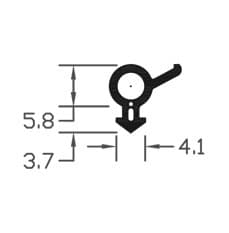
- B003 Bubble Gasket
Conclusion and next steps
Assembling a compact kit of glazing tools improves safety, accuracy and finish for most window and door glazing tasks. Prioritise correct handling equipment, appropriate sealants and accurate packers; follow manufacturer installation guidance for double-glazed units. For more detailed product recommendations and supplies, visit our pillar page at /guides/double-glazing-supplies. If you are uncertain about an installation or are dealing with large insulated glass units, contact a qualified glazier to assess the job and provide a safe, guaranteed solution.
Products mentioned in this article
Related articles
How Old uPVC Window Parts Differ from Modern Replacements
How Old uPVC Window Parts Differ from Modern Replacements Older uPVC windows fitted in the 1980s and 1990s were robust for their time, but the components u...
Glazing Tools Safety Guide: Avoiding Common Injuries
Glazing Tools Safety Guide: Avoiding Common Injuries Working with glazing tools carries a real risk of cuts, crushed fingers and slips when handling panes ...
How to Maintain Your Glazing Tools for Longer Life
How to Maintain Your Glazing Tools for Longer Life Whether you are a trade glazier or a DIY homeowner replacing a pane, well‑maintained glazing tools save ...