
How Much Can Draught Sealing Save on Your Energy Bills?
How Much Can Draught Sealing Save on Your Energy Bills? Draught sealing is one of the most cost-effective measures to reduce heat loss and improve comfort ...
How Much Can Draught Sealing Save on Your Energy Bills?
Draught sealing is one of the most cost-effective measures to reduce heat loss and improve comfort in UK homes. This post explains how draught sealing works, realistic savings you can expect, and practical advice for both DIYers and trade professionals on selecting and fitting the right draught seal products. For more technical detail on gaskets and seals see our pillar resource: /guides/gaskets-seals.
How draughts affect energy bills
Draughts cause cold air to enter and warm air to escape; this forces a heating system to run longer to maintain set temperatures. The effect is not only higher fuel use but also local cold spots, condensation and discomfort. In an older or poorly sealed property draughts can account for a significant proportion of perceived heat loss: small gaps around windows and doors let convective currents form, increasing the workload on boilers or heat pumps.
Typical savings you can expect
Exact savings depend on the property type, the existing standard of sealing, heating system and occupant behaviour. Use the following as realistic examples rather than guarantees:
- Minor draught-proofing on a modern flat: 5 to 10% reduction in heating energy; costs are low and payback is rapid.
- Whole-house draught-proofing in an older terraced or semi-detached house: 10 to 20% reduction is achievable where gaps around windows, doors and loft hatches are addressed.
- Combined approach: draught sealing plus loft insulation and radiator thermostats could deliver 15 to 30% overall heating energy savings in poorly insulated properties.
Another useful benchmark: reducing thermostat temperature by 1 degree Celsius typically saves around 10% of heating costs. Effective draught sealing can improve perceived warmth enough that occupants reduce the set temperature; that indirect saving is an important part of overall benefit.
Where draught seal makes the biggest difference
- Windows: sash windows with gaps at meeting rails and in the frame; poorly sealed casements; trickle vents that are too large for current needs.
- External doors: gaps under rebated doors, between frame and door leaf, letterboxes and keyholes.
- Loft hatches: common source of cold air transfer into the living space.
- Service penetrations: pipe and cable entries, extractor fan vents and flues where sealing is appropriate and safe.
Types of draught seal and when to use them
Choose a seal based on gap size, frequency of movement and aesthetic or fire-rating requirements. Common options for windows and doors include:
- Adhesive foam: inexpensive; best for small, irregular gaps and temporary fixes. Not as durable as other options.
- EPDM rubber bulb seals: robust and compressible; suitable for doors and casement windows with larger gaps.
- Pile or brush seals: excellent for sliding or weather-exposed joints; they accommodate movement while limiting air infiltration.
- Polypropylene 'V' strip: low-profile and good for sashes and casements where thin contact is needed.
- Thresholds and door brush strips: reduce draught under external doors; available in aluminium carriers with replaceable brush inserts for high-traffic doors.
Practical trade and DIY advice
Preparation is half the job: clean surfaces with a suitable solvent and ensure frames are dry before applying self-adhesive seals. For trade installations consider mechanical fixings or adhesive primers in addition to pressure-sensitive adhesives where durability is required.
- Survey method: use a smoke pencil, tissue or an infrared camera to locate draughts accurately; mark all problem areas before purchasing materials.
- Gap measurement: measure the operational gap when the window or door is closed; select a seal with the rated compression range to avoid binding or poor contact.
- Fitting tips for sash windows: use pile or cord seals designed for vertical sliding action; ensure sash cords and pulleys are balanced to reduce wear on the new seal.
- Fitting tips for rebated doors: use a bulb or compression seal sized to the rebate; for high-traffic commercial doors prefer brush seals with mechanical fixings.
- Letterboxes and mail slots: fit purpose-made flaps or brush seals internally; maintain compliance with fire and escape routes when altering external doors.
- Retain ventilation: do not block mechanical extractors, combustion appliance vents or purpose-provided background ventilation; consult Building Regulations Part F where necessary.
Costs and payback
Costs vary by product and whether you fit them yourself. Typical ranges:
- DIY adhesive foam or V-strip: £5 to £20 per window or door.
- Quality EPDM or pile seals: £15 to £60 per unit, depending on length and profile.
- Professional installation for whole-house draught-proofing: from a few hundred to around £1,000 depending on property size and access.
Payback can be rapid for small fixes: many homeowners see the cost returned within a single winter when fitting basic seals to primary draught sources. Whole-house work that prevents cold air ingress and allows thermostat reductions typically pays back over one to four years depending on the scale and fuel prices.
Important safety and compliance points
- Do not seal permanently any appliance flue or open fireplace: these require air for combustion and correct operation.
- Maintain required background ventilation or install mechanical ventilation with heat recovery where fabric improvements are extensive.
- For listed buildings and conservation areas use reversible, non-invasive solutions and consult local planning where needed.
- Ensure fire and escape routes are not compromised by seals added to doors; use intumescent strips where necessary for fire doors.
Recommended Products
Based on this article, you may find these products helpful:
- E-Type Gasket - Black 5m Roll
- E-Type Gasket - Black (Per Metre)
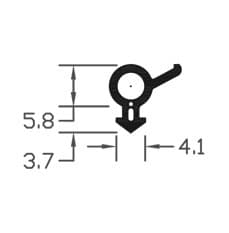
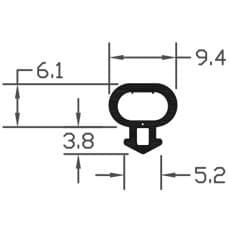
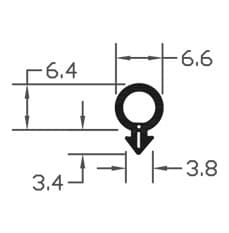
- B003 Bubble Gasket
- B004 Bubble Gasket
- B007 Bubble Gasket
Conclusion and next steps
Draught sealing is a low-cost, practical way to reduce heating bills and improve comfort. Realistic savings range from 5 to 20 percent for targeted work, and greater when combined with other fabric improvements. Start by surveying your property to identify major draught paths, choose the correct draught seal profile for each gap and remember to preserve ventilation and safety systems. For specification guidance and product options visit our gaskets and seals resource at /guides/gaskets-seals or contact our trade team for technical advice and bulk pricing.
Products mentioned in this article
Related articles
Draught Seal Types Compared: Foam, Rubber, Brush, and Compression
Draught Seal Types Compared: Foam, Rubber, Brush, and Compression Draught seal selection matters for energy efficiency, comfort, and the longevity of windo...
How to Prepare Surfaces for Draught Seal Installation: Getting Adhesion Right
How to Prepare Surfaces for Draught Seal Installation: Getting Adhesion Right Proper surface preparation is the single most important factor for long-lasti...
How to Fit Draught Seals Around Windows: Complete Installation Guide
How to Fit Draught Seals Around Windows: Complete Installation Guide Fitting a draught seal is one of the most cost-effective ways to reduce heat loss, eli...