
Draught Sealing Your Front Door: Products and Techniques That Work
Draught seal work on a front door is one of the most cost-effective ways to improve comfort, reduce heating costs and stop water ingress. Whether you are a...
Draught seal work on a front door is one of the most cost-effective ways to improve comfort, reduce heating costs and stop water ingress. Whether you are a trade installer or a DIY homeowner, understanding the range of products and the correct fitting techniques will make the job durable and compliant with door hardware performance. This article covers common draught paths, product choices, fitting methods and practical tips to get the best result.
Why a proper draught seal matters
A poorly sealed front door lets cold air in, warm air out and allows moisture and dust to enter. For aluminium, timber and PVCu doors the right draught seal helps maintain the performance of the door and its locking system: poor sealing can cause excessive wear on multipoint locks and hinges if the door does not close squarely. For homeowners the benefits are immediate: improved thermal comfort, lower energy bills and reduced noise. For tradespeople correct sealing preserves warranties and meets customers expectations for a finished installation.
Where draughts commonly occur
- Perimeter gaps between the door leaf and frame: head, jambs and sill.
- Under the door: large gap beneath the threshold or an uneven floor finish.
- Letterbox and letter-plate openings.
- Between the frame and the structure where seal beads are missing or compressed improperly.
- Around glazing panels or where seals have hardened and shrunk.
Products that work: profiles and materials
Selecting the right draught seal product depends on the door material, the size of the gap and aesthetic requirements. Common types include:
- Brush seals: stainless steel or nylon pile fixed to an aluminium carrier. Good for uneven thresholds and where frequent movement occurs.
- Pile (pile strip) and pile-insert seals: soft pile for sash-type movement; available in adhesive-backed or screw-fixed options.
- Compression seals: EPDM, silicone or PVCu bulb seals fitted into a rebate or applied to the face of the frame for a controlled compression when the door closes.
- Drop-down (automatic) seals: fitted to the bottom edge of the door; they drop to seal when the door closes and retract when the handle engages. Ideal for timber and composite doors with little threshold room.
- Threshold seals: aluminium thresholds with integral seals to mate with the door; some incorporate thermal breaks and drainage for PVCu and aluminium doors.
- Magnetic or gasket seals: used on some composite doors for a tight, continuous seal.
- Letterbox draught excluders: brush or flap seals that prevent wind without obstructing mail.
Materials: pros and cons
- EPDM rubber: durable, UV-resistant and commonly used in compression seals; remains flexible across UK temperatures.
- Silicone: excellent flexibility and longevity; slightly more expensive but better for sustained compression applications.
- PVCu: economical and good for rebate seals but can harden with age in cold climates.
- Brush/nylon pile: effective on irregular surfaces; less airtight than compression gaskets but excellent for thresholds that need tolerance.
Trade and DIY fitting techniques
Preparation is vital: repair rotten timber, ensure frames are square and check that the door closes freely before fitting seals. Carry these tools to the job: tape measure, rule, pencil, chisel, router for rebates, drill and countersink, appropriate screws, sealant and a sharp hacksaw for aluminium carriers.
- Measure gap widths at several points: top, middle and bottom. This determines whether a compression seal, brush or drop-down seal is appropriate.
- For compression seals fitted into a rebate: ensure the rebate is clean and free from paint build-up; test-fit the seal length and check compression across the height. Aim for even compression so the locking mechanism engages smoothly; excessive compression can prevent the door from latching and cause wear.
- Adhesive-backed pile strips are quick for DIY: clean the surface with a solvent wipe, stick firmly and finish with small fixings at the ends on high-traffic doors.
- Drop-down seals require accurate routing or rebating at the bottom of the door for a neat fit. Adjust the seal so it drops 2 to 4 mm onto the finished threshold; this gives an effective seal without dragging while the door opens.
- When installing an aluminium threshold with an integral seal check the door clearance: some thresholds require trimming or packing to maintain level. Maintain weep and drainage paths for PVCu systems; do not block factory drainage holes.
- For letterboxes fit internal brush or flap liners; for heritage doors a magnetic or brush letterbox draught excluder maintains appearance while improving performance.
- Use neutral cure silicone sealant for external joints; avoid expanding polyurethane foam around moving frame parts as it can restrict movement and damage hardware.
Adjustment and maintenance
After installing seals check the operation: the door should close with consistent resistance and the multipoint lock engages without force. Adjust hinges or keeps to correct any binding. Advise homeowners to inspect seals annually: clean debris from brush seals and replace compressed or hardened rubbers. Lubricate metal carriers and keep drop-down mechanisms free of grit.
Common pitfalls to avoid
- Applying adhesive seals to dusty or painted surfaces without adequate preparation: they will fail prematurely.
- Over-compressing soft seals which distorts the door alignment or makes locks difficult to operate.
- Blocking threshold drainage on PVCu and aluminium doors when fitting aftermarket thresholds or seals.
- Using expanding foam adjacent to moving hinges, locks and sealing gaskets.
Further information and trade resources
For detailed product matching and gasket specifications consult industry data sheets and the manufacturer instructions; materials such as EPDM and silicone have different compression set characteristics. See our technical resources for a wider range of profiles: /guides/gaskets-seals.
Recommended Products
Based on this article, you may find these products helpful:
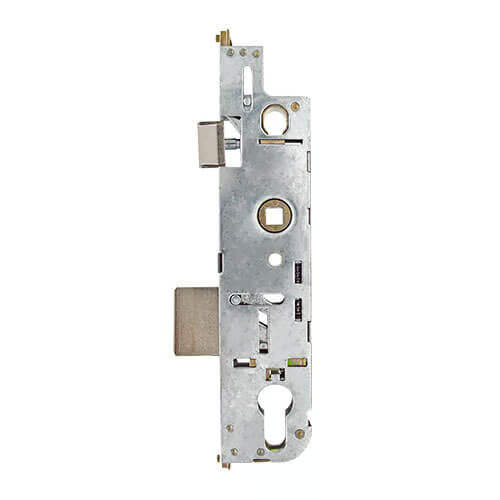
- Multipoint Gearbox GU Old Style
- In-Line Window Mechanism
- Offset Window Mechanism
- E-Type Gasket - Black 5m Roll
- E-Type Gasket - Black (Per Metre)
Conclusion and next steps
Draught seal work is straightforward if you match the seal type to the gap, prepare surfaces correctly and adjust hardware to accommodate the new seal. For homeowners consider a professional assessment if the door shows structural misalignment or the multipoint lock is difficult to operate; for trade professionals ensure you document seal types and maintain drainage and warranty conditions. Next steps: measure the door gaps, choose the appropriate seal from pile, compression, brush or drop-down ranges, and follow the manufacturer fitting instructions. If unsure contact a specialist supplier or join a product training session to confirm best practice for the specific door system you are working on.
Products mentioned in this article
Related articles
Draught Seal Types Compared: Foam, Rubber, Brush, and Compression
Draught Seal Types Compared: Foam, Rubber, Brush, and Compression Draught seal selection matters for energy efficiency, comfort, and the longevity of windo...
How to Prepare Surfaces for Draught Seal Installation: Getting Adhesion Right
How to Prepare Surfaces for Draught Seal Installation: Getting Adhesion Right Proper surface preparation is the single most important factor for long-lasti...
How to Fit Draught Seals Around Windows: Complete Installation Guide
How to Fit Draught Seals Around Windows: Complete Installation Guide Fitting a draught seal is one of the most cost-effective ways to reduce heat loss, eli...