
How Much Does Professional Dog Flap Fitting Cost in the UK?
How Much Does Professional Dog Flap Fitting Cost in the UK? Overview: what affects the cost of a dog flap Several factors determine the price of profession...
How Much Does Professional Dog Flap Fitting Cost in the UK?
Overview: what affects the cost of a dog flap
Several factors determine the price of professional dog flap fitting in the UK: the type and size of the dog flap, the material and construction of the door or window, whether glass replacement is required, access and labour time, and any additional security or draught-proofing work. Trade professionals and DIYers should consider both the price of the unit and the fitting costs when budgeting.
Typical price ranges
These figures are approximate and intended as a practical pricing guide for homeowners and tradespeople:
- Dog flap unit only: basic mechanical flaps from £20 to £60; robust dog flaps from £60 to £200; electronic or microchip-operated units from £150 to £450.
- Professional fitting: call-out or minimum charge £50 to £100 in many areas; hourly labour rates typically £40 to £100 per hour for handypersons or glazing/joinery specialists.
- Total typical installations:
- uPVC door: £120 to £300 (unit + fitting, simple site-cut).
- Composite door: £200 to £450 (may need specialist kit or door replacement).
- Wooden door: £130 to £350 (depends on thickness and finishing).
- Double-glazed unit / glass panel: £300 to £900+ (often involves replacing the sealed unit with one pre-cut for a pet flap).
- High-security or aluminium doors: £250 to £700 (specialist cutters and reinforcing may be needed).
Why glass-panel installations cost more
Installing a dog flap into a glazed panel is more complex: sealed units must be removed and replaced to maintain thermal performance and warranty. A glazing company will usually supply a new double-glazed unit pre-cut to the manufacturer template. Labour, factory-made glass and re-bedding costs push the price up. If the work is done incorrectly, you risk misted units and failed warranties, so many trade professionals recommend using a qualified glazier for glass work.
Practical trade advice for installers
- Always check door construction first: uPVC often contains steel reinforcement; composite doors have foam cores and multiple skins; aluminium uses thermal break profiles. Each needs different fixings and cutting techniques.
- Use manufacturer templates and follow warranty requirements. Some flaps require frame adapters for thicker doors; others will void warranties if the outer skin is breached incorrectly.
- For uPVC doors, remove the handle and lock furniture before cutting; support the door and clamp templates accurately; use bi-metal blades in a jigsaw and take care around reinforcements.
- For composite and solid timber, secure the outer skin with temporary battens to prevent chipping, and use a router or jigsaw with appropriate cutters for a neat finish.
- When fitting into glazing units, order sealed units pre-cut by a reputable supplier; check unit sizes carefully and allow time for silicone curing and bead work.
- Charge transparently: give a breakdown for unit, labour, glazing, ancillaries and call-out. Include contingencies for unforeseen reinforcement or lock modifications.
DIY guidance: what homeowners can do themselves
Homeowners with reasonable DIY skills can fit a dog flap into a timber or some uPVC doors, but only attempt glass or complicated composite work if you have the correct tools and experience. Basic steps and precautions:
- Measure your dog: back height and width will determine flap size and mounting height. Ensure the threshold and approach allow comfortable access.
- Read the manufacturer template and instructions thoroughly before cutting: templates mark the cut-out and screw positions.
- Tools to have ready: tape measure, pencil, spirit level, drill with wood and metal bits, jigsaw with fine blades, chisel, silicone sealant, countersink and appropriate screws. Use eye and ear protection and a dust mask.
- Practice on scrap material if you have not used a jigsaw recently. Work slowly and clamp the door to prevent movement. On uPVC, be aware of internal steel reinforcements; you may need to drill pilot holes through steel first.
- Seal around frames with exterior-grade silicone; check mechanisms for smooth operation and test with your pet on a lead or supervised trial.
Security, warranties and performance considerations
Security is a key consideration for many homeowners. Electronic microchip flaps offer selective entry and reduce the risk of unwanted animals; reinforced frames and multi-point fixings help maintain door security. Be aware that cutting into composite doors or altering sealed units may void manufacturer warranties; confirm compatibility before proceeding. If you hire a tradesperson, ask about public liability and guarantees on workmanship.
Common additional costs
- New sealed glazing unit: £100 to £500 depending on size and glazing specification.
- Reinforcement or adapter kits: £20 to £80.
- Extra finishing: painting, trimming or new thresholds £30 to £150.
- Travel or evening/weekend call-outs: expect higher call-out fees for out-of-hours work.
How to get accurate quotes
When requesting quotes, provide these details to tradespeople to get realistic pricing:
- Door/window type and material; thickness and any visible reinforcements.
- Whether the panel is glazed and if you have existing measurements.
- Desired dog flap model or size; whether you require microchip operation.
- Photographs of the area and access conditions; whether you need new paint or finishing work.
Further reading and resources
For comparisons of different pet flaps and more technical guidance, see our pet flap resources at /guides/pet-flaps. That page covers sizing guidance, product comparisons and glazing considerations in greater depth.
Recommended Products
Based on this article, you may find these products helpful:
- In-Line Window Mechanism
- Offset Window Mechanism
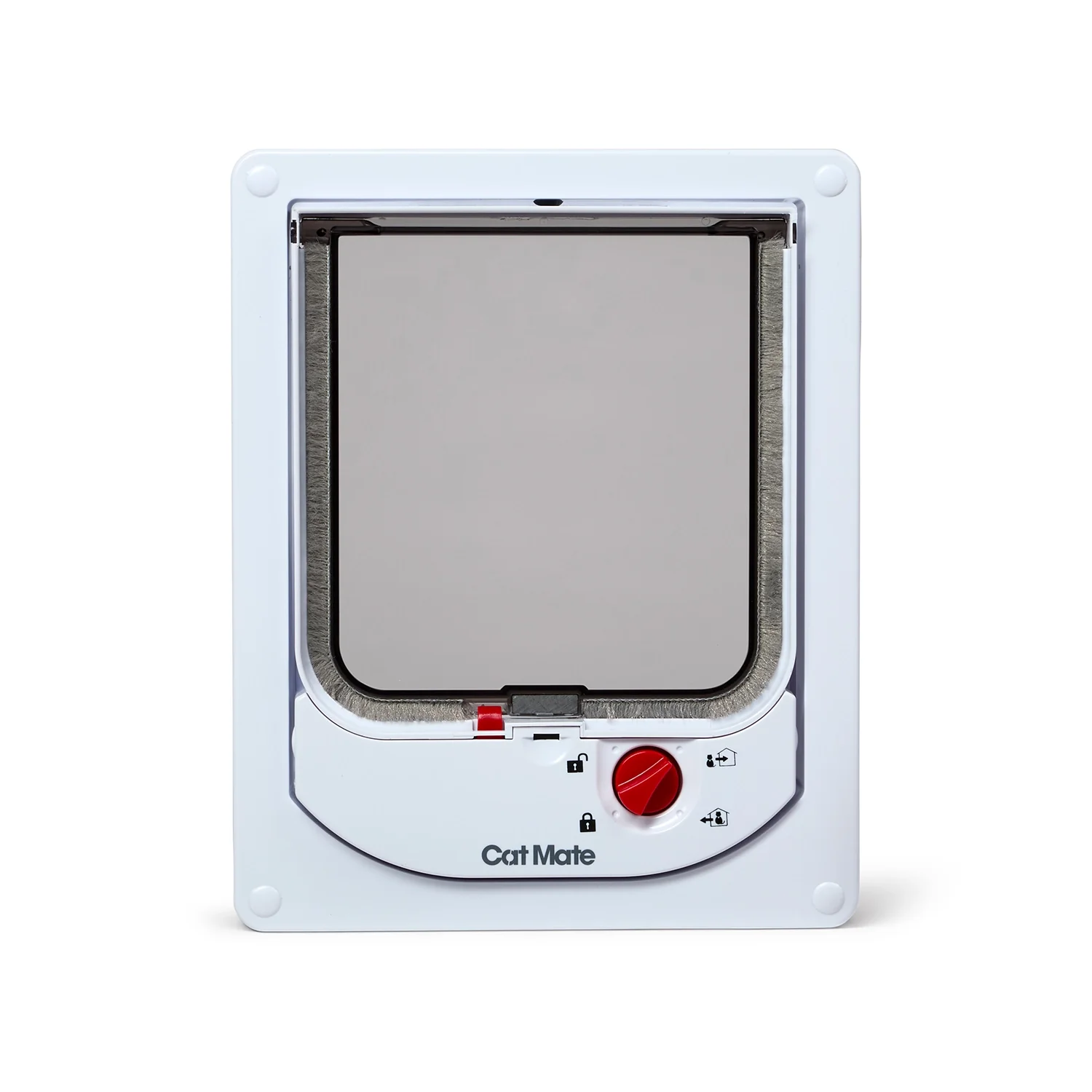
- Cat Mate Electromagnetic Cat Flap
- E-Type Gasket - Black 5m Roll
- E-Type Gasket - Black (Per Metre)
Conclusion and next steps
Budgeting for a professional dog flap fitting in the UK typically means allowing for the cost of the unit plus labour: simple uPVC installations can be done for roughly £120 to £300, while composite doors or glazed panels commonly push total costs to £300 to £900 or more. For the best outcome, identify your door type, measure your pet accurately, and obtain at least two quotes that itemise parts and labour. If you are confident with tools and the door is simple timber or uPVC, a DIY fit can save money; for glass, composite or high-security doors, hire a specialist installer or glazier.
Next steps: measure your pet and door, choose a suitable dog flap model, and request detailed quotes from local tradespeople. If you need technical advice or parts, contact Window Hardware Store for trade support and product recommendations.
Products mentioned in this article

Related articles
Rented Property Cat Flap Options: What Landlords Need to Know
Rented Property Cat Flap Options: What Landlords Need to Know Installing a cat flap in a rented property can improve tenant satisfaction but it raises ques...
Replacing uPVC Door Panels with Cat Flap Panels: A Cleaner Solution
Replacing a uPVC door panel with a purpose-made cat flap panel is a practical way to give pets easier access while keeping the rest of the door intact. Whe...
Dog Flap Insulation: Preventing Heat Loss Through Larger Pet Doors
Dog Flap Insulation: Preventing Heat Loss Through Larger Pet Doors Large dog flaps are convenient for owners and pets, but they create a significant therma...