
How to Adjust Friction Hinges for Smooth Window Operation
How to Adjust Friction Hinges for Smooth Window Operation Friction hinge adjustment is one of the most effective ways to restore smooth, controlled movemen...
How to Adjust Friction Hinges for Smooth Window Operation
Friction hinge adjustment is one of the most effective ways to restore smooth, controlled movement to casement and top-hung windows without replacing the whole mechanism. Whether you are a UK homeowner doing routine maintenance or a trade professional servicing multiple properties, understanding how friction hinges work and how to adjust them correctly will save time and reduce callbacks.
What a friction hinge does and where to find it
A friction hinge is a stay-type hinge fitted to casement and top-hung windows that controls the sash motion by applying adjustable resistance at the pivot points. This resistance allows the window to hold position at different openings; it also prevents the sash from dropping or slamming in wind. Friction hinges are common on uPVC, aluminium and timber windows. The adjuster screws are usually accessible when the sash is open; some types have small plastic covers to remove first.
Tools, materials and safety
- Tools: Pozidriv and cross-head screwdrivers, small Allen/hex keys, 5mm spanner or socket set for some manufacturers, torque-limited screwdriver if available.
- Consumables: light machine oil or silicone spray; cloths; small brush for cleaning. Avoid heavy grease that traps dust.
- Safety: wear gloves and safety glasses if cleaning rust; support the sash while adjusting; use an assistant for large or heavy sashes; ensure restrictors are applied if present; do not use impact drivers on adjuster screws.
Inspection and preliminary checks
Before adjusting, inspect the hinge and window operation: look for corrosion, stripped screw heads, damaged arms, loose fixings or play at the pivot. Check that the handle and locking points are working correctly; poor operation may be caused by a misaligned keep rather than hinge friction. Remove any paint build-up or debris around the hinge arms and lubricate pivot points lightly; this can sometimes resolve stiffness without adjustment.
Step-by-step adjustment procedure
- Open the sash to the position that exposes the adjuster screws: for most side-hung casements this is around 20 to 40 degrees; for top-hung windows you may need the sash fully open. Remove any small plastic covers that hide the adjuster.
- Support the sash: for large windows, use a prop or have an assistant hold the sash steady. This prevents sudden movement while you adjust the hinge.
- Identify the adjuster type: some hinges use a cross-head or Pozidriv screw; others use an Allen key or hex screw. Use the correct driver to avoid rounding the head. Trade-standard hinges on UK windows frequently use Pozidriv 2.
- Adjust in small increments: turn the adjuster clockwise to increase friction; turn anticlockwise to reduce friction. Make quarter-turn adjustments and test the sash after each change; never force the screw. If you are undecided which way to turn, try a 90 degree change and test.
- Balance multiple hinges: when a window has two or three hinges, adjust them evenly. Make the same number of quarter-turns on each hinge, then test the sash at different openings. Uneven adjustment can cause binding or strain on fixings and the handle mechanism.
- Test operation: open the sash fully, hold it at several intermediate positions and check that it holds and closes without noise or creep. Check around the full travel for rubbing or contact with the frame; that may indicate alignment issues rather than friction settings.
- Secure and record: once satisfied, replace the plastic covers and mark the final setting on the frame or in your job notes; this helps future maintenance and ensures consistent settings across multiple properties.
Practical trade tips
- If the adjuster screw is rounded or corroded, replace the screw or the hinge; attempting to force it will damage the body and increase call-backs.
- Use hand tools rather than power tools for final adjustment; the fine control prevents over-tightening which can fatigue the hinge mechanism.
- For coastal properties use stainless steel or corrosion-resistant finishes; salt spray accelerates hinge wear and can change the friction setting over a short period.
- Note sash weight and size: heavier or larger sashes may need heavy-duty friction hinges or additional hinges; do not simply over-tighten standard hinges to compensate for excessive weight.
- When doing large jobs, standardise on a manufacturer's hinge setting where possible; keep spare hinge assemblies on vans for quick swap-outs if an adjustment will not fix the problem.
Common problems and how to fix them
- Window sash will not hold position: usually the friction is too low; increase friction in small increments. If there is play in the hinge or stripped threads, replace the hinge.
- Window is stiff or difficult to open: friction set too high, or debris/corrosion in the pivot. Clean and lubricate; reduce friction setting slightly. Check alignment of the sash and frame.
- Uneven movement or binding: hinges are out of alignment or adjusted unevenly. Re-align the sash by loosening fixings, centralising the sash, then re-tighten and balance hinge settings.
- Handles stiff or difficult to lock: excessive hinge friction can overload the gearbox; reduce hinge friction and check locking keeps and striker plates for correct alignment.
Maintenance and replacement indicators
Schedule hinge checks annually for domestic properties and more frequently on commercial or coastal sites. Lubricate pivot points and clean adjuster screws during service. Replace the hinge if any of the following apply: excessive play at the pivot; visible cracking or bending of arms; stripped or seized adjuster screws; inability to achieve correct friction across the sash travel. When replacing, match the hinge type and load rating to the sash size and material; consult the manufacturer's data or the hub page at /guides/window-hinges for specifications.
Recommended Products
Based on this article, you may find these products helpful:
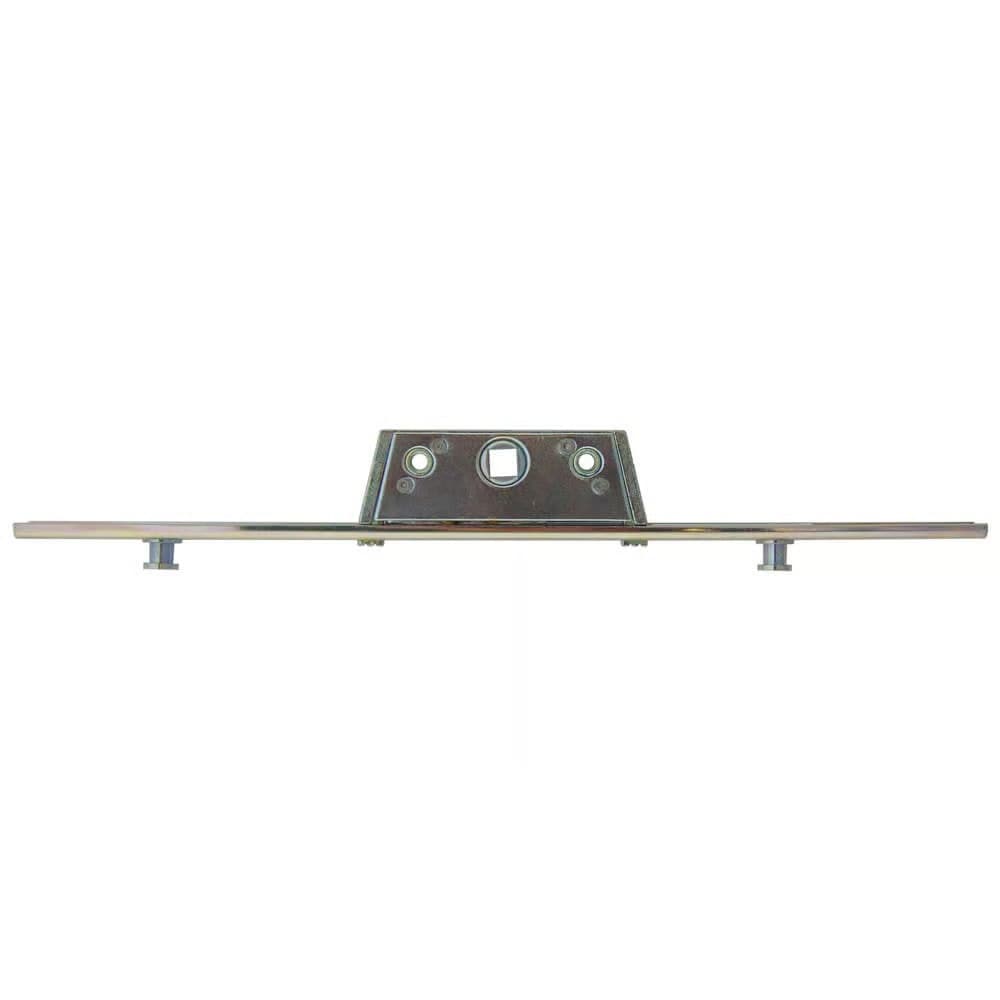
- In-Line Window Mechanism
- Offset Window Mechanism
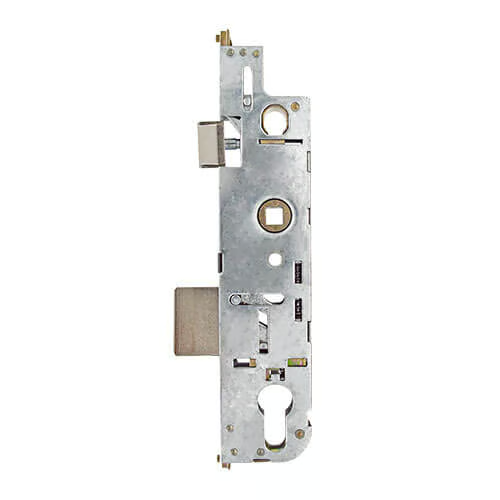
- Multipoint Gearbox GU Old Style
- Top-Hung Window Hinge - Standard
- Side-Hung Window Hinge - Standard
Conclusion and next steps
Correct friction hinge adjustment restores safe, reliable window operation and reduces wear on handles and locking mechanisms. Start with inspection, clean and lubricate, then make small, even adjustments and test thoroughly. If adjustment does not resolve the problem, plan for hinge replacement or an upgrade to a heavier-duty friction hinge suitable for the sash weight and environmental conditions. For trade professionals, keep detailed records of settings and replacements to maintain service consistency across properties.
Need parts or technical advice: contact your local wholesaler or check manufacturer technical sheets for the hinge fitted to the property. If unsure about safe removal or replacement of heavy sashes, appoint a colleague to assist or book a specialist installer.
Products mentioned in this article

Related articles
Period Window Stays: Heritage Options for Older Properties
Period Window Stays: Heritage Options for Older Properties Older properties often require hardware that respects traditional appearance while providing mod...
Replacing Old Window Stays: Finding Matching Hardware
Replacing an old window stay can restore functionality, security and appearance to a worn casement. Whether you are a joiner, a glazing contractor or a dil...
How to Replace Friction Hinges on uPVC Windows
How to Replace Friction Hinges on uPVC Windows Overview Friction hinges are the most common operating mechanism on uPVC casement windows in the UK. They al...