
How to Build Your First Glazing Tools Kit on a Budget
How to Build Your First Glazing Tools Kit on a Budget Whether you are a homeowner planning small repairs or a tradesperson starting out, a compact and well...
How to Build Your First Glazing Tools Kit on a Budget
Whether you are a homeowner planning small repairs or a tradesperson starting out, a compact and well-chosen set of glazing tools will make installing, repairing and maintaining windows and doors faster and safer. This post outlines essential items, budget options, trade tips and practical DIY advice so you can put together a reliable kit without overspending. For a wider selection of components and materials see our pillar page: /guides/double-glazing-supplies.
Why the right glazing tools matter
Good glazing tools save time and reduce the risk of damaging frames, glass or seals. Whether you are replacing single panes in timber frames or fitting sealed units into uPVC casements, the correct tools mean cleaner joints, stronger fixings and better thermal performance. For tradespeople, a tidy, repeatable process improves productivity; for homeowners, sensible tools reduce the likelihood of costly mistakes.
Essential glazing tools for your first kit
Start with these core items. They cover most domestic glazing tasks and are widely available at trade prices.
- Suction cup glass lifter: Choose a single or twin cup lifter rated for the weight you expect; indispensable for moving panes safely, especially larger sealed units.
- Glazing knife / putty knife: A sturdy 25–50 mm blade for removing old putty, sealant and adhesives; a 4-in-1 tool with a replaceable blade offers good value.
- Silicone gun: A robust caulking gun for sanitary and glazing silicones; metal frame guns last longer than plastic.
- Glazing points and hammer: For traditional timber glazing jobs; choose stainless or galvanised points and a small hammer or tack hammer with a magnetic point holder.
- Setting blocks and packers: PVC or rubber setting blocks to support glass at the base of the rebate; packers in 1.5 mm, 3 mm and 6 mm thicknesses help set the glass correctly and maintain drainage paths.
- Beading tool / wedge driver: For pressing beads into rubber or uPVC channels; a small lump hammer and sash clip tools are useful for older frames.
- Utility knife and spare blades: For trimming sealant and glazing tape; keep blades sharp to avoid ragged cuts.
- Measuring tools: A steel tape, set square and a digital calliper or thickness gauge for checking glass and rebate depths; accuracy prevents ordering the wrong size sealed unit.
- Safety kit: Safety glasses, cut-resistant gloves for glass handling and a basic first-aid kit; consider an FFP2 mask when grinding or sanding old seals.
- Cleaning supplies: White spirit or suitable solvent for old adhesive removal; lint-free cloths and masking tape to protect glass edges.
Budget buys versus investment tools
When starting out, decide which tools you need to buy cheap and which merit investment. Consumables and simple hand tools are fine at lower price points; spend more on items that affect safety and precision.
- Buy budget: setting blocks, packers, glazing points and basic putty knives; these wear out or are single-use in many cases.
- Invest in quality: suction cup lifter, silicone gun, measuring tools and safety equipment; a poor-quality suction pad can lead to dropped panes, and inferior measuring tools cause repeat orders and delays.
- Middle ground: a mid-range utility knife and a decent beading tool offer longevity without a large outlay.
Practical trade tips and DIY guidance
Use these practical techniques to get professional results when glazing.
- Measure twice, order once: measure both width and height of the visible glass rebate, minus the depth taken by setting blocks and sealant; confirm glass thickness before ordering sealed units.
- Set the glass on blocks: always support the glass on setting blocks placed at quarter points; this prevents point loading on the glazing seal and keeps drainage clear.
- Use packers for even spacing: install packers under the glass to achieve consistent edge gaps; for sealed units allow the manufacturer’s recommended edge clearance to avoid bowing.
- Apply sealant correctly: cut the nozzle at the correct angle and use steady pressure; too much sealant leads to messy joints, too little risks leaks.
- Protect frames: mask the frame with tape when using solvents or sanding; solvent can discolour timber or degrade uPVC if left in contact.
- Replace beading carefully: if rebating uPVC beads, press them with a beading tool or a small block of timber tapped with a hammer; avoid levering which can crack beads.
Assembly, storage and maintenance of your kit
Keep your glazing tools organised so you can work quickly. Use a rigid toolbox or trade bag with compartments for hand tools, and a separate tub for consumables. Store glass-handling equipment in a dry place; rubber on suction cups can perish if left in heat or direct sunlight. Label your packers and keep an inventory of common consumables: silicone cartridges, sealant backer rod and spare blades.
When to call a professional
Certain situations should be left to experienced glaziers: structural repairs to load-bearing frames, large sealed units above 15 kg where specialist lifting gear is required, or windows with integral blinds where manufacturers’ warranties may be affected by non-approved repair methods. If the frame has rot, corrosion or complex hardware such as multi-point locks and concealed hinges, consult a professional to ensure correct alignment and security.
Recommended Products
Based on this article, you may find these products helpful:
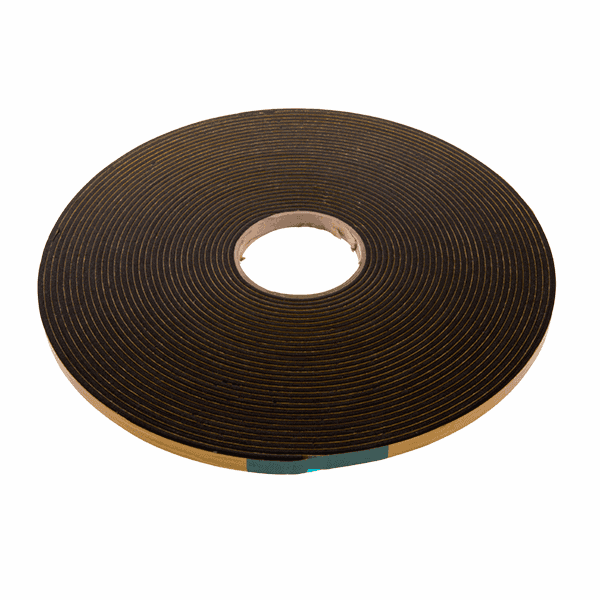
- Structural Glazing Tape - 20mm
- Security Glazing Tape
- Top-Hung Window Hinge - Standard
- Side-Hung Window Hinge - Standard
- Flag Door Hinge - Stainless Steel
Conclusion and next steps
Building a basic glazing tools kit on a budget is straightforward: prioritise safety and accuracy, invest in a few key items and fill in with affordable consumables. Start with the essentials listed above and add specialist tools as your projects grow. Next steps: make a shopping list based on the jobs you expect to do, check sizes for packers and setting blocks against the types of windows you have, and visit our resources at /guides/double-glazing-supplies for parts, materials and detailed product specifications.
Products mentioned in this article
Related articles
How Old uPVC Window Parts Differ from Modern Replacements
How Old uPVC Window Parts Differ from Modern Replacements Older uPVC windows fitted in the 1980s and 1990s were robust for their time, but the components u...
How to Maintain Your Glazing Tools for Longer Life
How to Maintain Your Glazing Tools for Longer Life Whether you are a trade glazier or a DIY homeowner replacing a pane, well‑maintained glazing tools save ...
Glazing Tools Safety Guide: Avoiding Common Injuries
Glazing Tools Safety Guide: Avoiding Common Injuries Working with glazing tools carries a real risk of cuts, crushed fingers and slips when handling panes ...