
How to Choose the Right Double Glazing Supplies for Your Home
How to Choose the Right Double Glazing Supplies for Your Home Why the right double glazing supplies matter Choosing suitable double glazing supplies affect...
How to Choose the Right Double Glazing Supplies for Your Home
Why the right double glazing supplies matter
Choosing suitable double glazing supplies affects thermal performance, security, acoustic comfort and long-term maintenance costs. Whether you are a homeowner planning an upgrade or a trade professional specifying for clients, the correct combination of sealed units, frames and hardware will determine how well a window or door performs against UK building regulations and everyday wear.
Assess performance requirements
Start by defining the priorities for the property: thermal efficiency, noise reduction, safety, or budget. Key performance indicators include U-values, acoustic rating (Rw), and visible light transmission. For compliance: check Part L of the Building Regulations for energy efficiency requirements where relevant; also consider window energy ratings (WER) for easy comparison.
Choosing the glass and sealed units
Double glazed sealed units, also called insulated glass units (IGUs), are the heart of performance. Consider these components:
- Low-E coatings: reduce heat loss by reflecting long-wave infrared back into the room; choose soft-coat Low-E where higher thermal performance is needed.
- Gas fills: argon is the common cost-effective option; krypton gives better insulation for narrow cavities but is more expensive.
- Spacer bars: warm edge spacers reduce thermal bridging and condensation risk at the edge of the unit; specify stainless steel or structural foam warm edge spacers for improved longevity.
- Glass types: toughened safety glass for doors and low-level glazing; laminated glass for enhanced security and acoustic control; solar control glass for rooms with excessive solar gain.
- Edge seals and desiccants: ensure the IGU has high-quality edge seals and adequate desiccant to prevent moisture ingress and prolong unit life.
Selecting frame materials
Frame material affects aesthetics, maintenance and thermal bridging. Common choices:
- uPVC: low maintenance and cost-effective; ensure profiles have multi-chamber construction for thermal performance and steel reinforcement where required for structural strength.
- Aluminium: slim sightlines and high strength; specify thermally broken systems to reduce conductivity.
- Timber: traditional appearance and good thermal properties; requires preservative treatment and routine maintenance.
- Composite: timber look with low maintenance; check manufacturer details for weather performance and warranty.
For trade professionals: match profile depth and reinforcement to wind load and opening size; use manufacturer's recommended fixings and packer positions.
Window and door hardware: what to specify
Hardware choice is crucial for security, operation and durability. Key items and trade considerations:
- Multipoint locking systems: choose tested multipoint espagnolette mechanisms for doors and French windows; look for PAS 24 compliance or Secured by Design where higher security is required.
- Handles and espagnolette gear: ensure handles are tested to appropriate cycles and fitted with anti-slam or key-locking options where needed.
- Hinges and friction stays: specify load-rated butt hinges for casements and friction stays sized for sash weight; avoid overloading stays to reduce premature failure.
- Sash locks and shootbolts: use face-fix shootbolts or concealed options depending on aesthetics and security needs; ensure striking keeps are reinforced.
- Weatherseals and draught excluders: compression seals should be EPDM or silicone rubber for longevity; check seal compatibility with solvents and sealants used during installation.
- Glazing beads and gaskets: use manufacturer-specific beads and gaskets to maintain warranty and ensure correct glazing margins; do not replace with generic parts without verification.
- Trickle vents and restrictors: include trickle vents to meet ventilation requirements; child safety restrictors are recommended for upper-floor windows.
Installation and trade best practice
Correct installation is as important as component selection. Recommendations for installers:
- Follow BS 8213-4 for window and door installation practices; adhere to manufacturer instructions for fixing centres, packer placement and sealant types.
- Use suitable fixings: frame anchors or through-bolts depending on substrate; length and type of screw must penetrate substrate adequately without twisting the frame.
- Allow for thermal movement: do not overtighten frame fixings; leave correct clearance around frames and use packers at specified locations to transfer loads to structure.
- Seal externally with a durable, neutral-cure silicone and provide a continuous cavity drainage path where required; internally use breathable compression seals to manage condensation risk.
- For replacements: check opening square and plumb; measure for new units using finished frame positions, not rough opening; use templates where possible to avoid returns.
DIY guidance: what you can and cannot do
Homeowners can tackle some maintenance and minor upgrades; larger works merit a trade installer:
- Do-it-yourself tasks: replacing handles and hinges of the same type; upgrading weatherstrips; adjusting multipoint locks and lubricating moving parts; installing trickle vents if fabric permits.
- Tasks to leave to professionals: removing and replacing sealed IGUs in-situ; full-frame replacements; structural alterations to openings; complex hardware upgrades that alter locking geometry.
- Safety notes: glazing work at height and handling large sealed units require appropriate training and lifting equipment; always use safety glass for low-level replacements and follow safety glazing regulations.
Maintenance and longevity
Regular maintenance extends life and maintains warranty: clean seals and drainage slots, inspect and lubricate locks annually with dry lubricant or manufacturer-recommended products, check silicone seals for cracks and re-seal as needed. For units with condensation inside the panes: replace the IGU rather than attempt repair of the seal.
Recommended Products
Based on this article, you may find these products helpful:
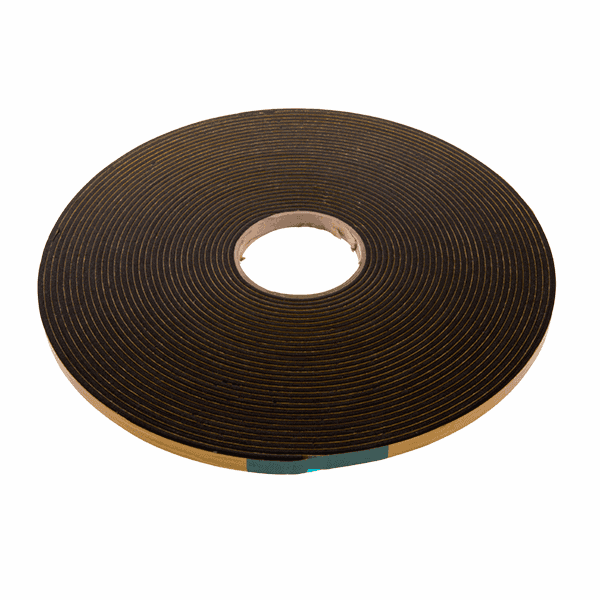
- Structural Glazing Tape - 20mm
- Security Glazing Tape
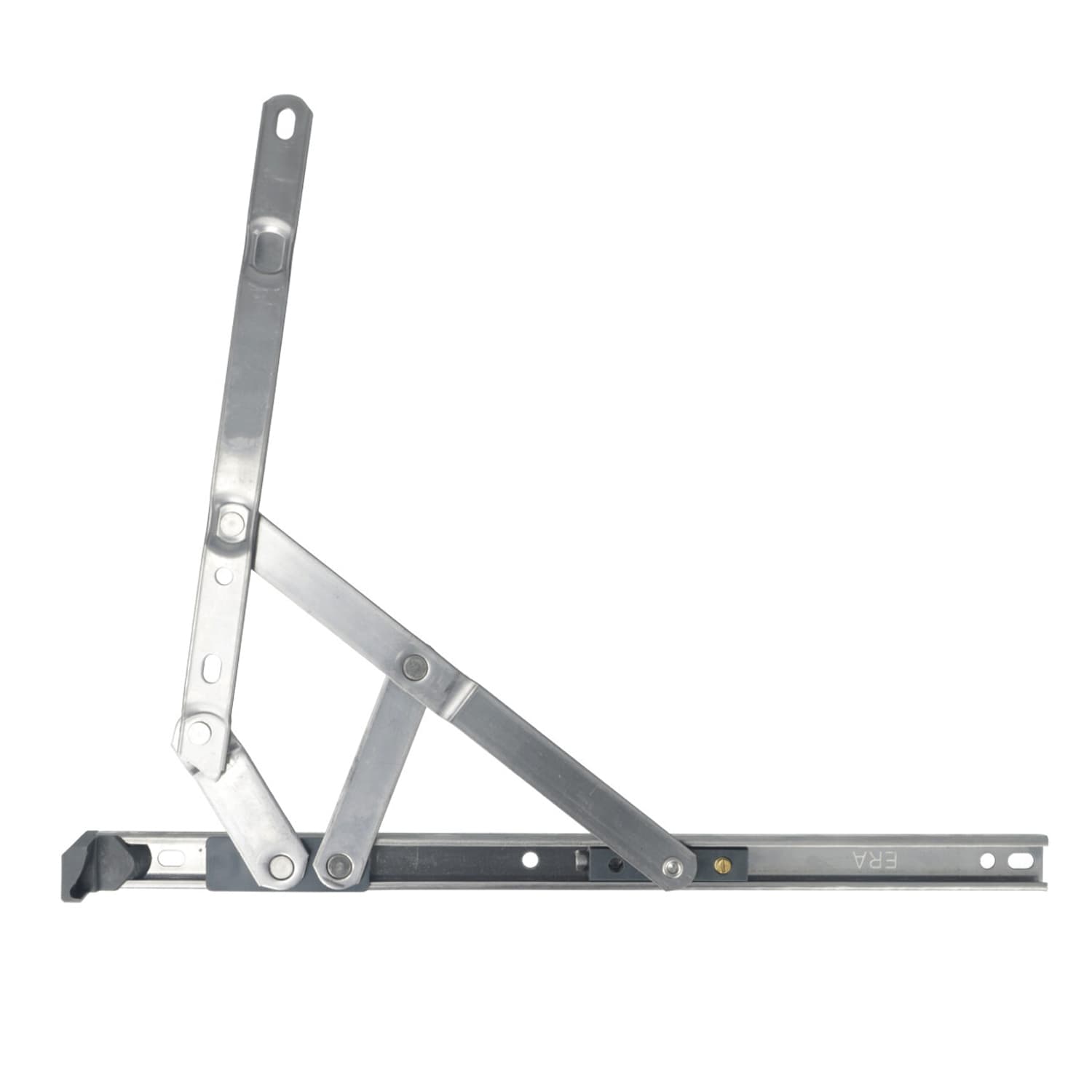
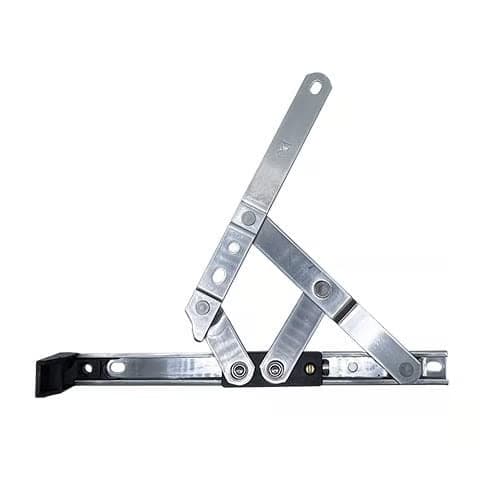
- Top Hung Friction Stay - 12"
- ERA Egress (Fire escape) Friction Stay
- TSS Standard Friction Stays – 13mm & 17mm Stack Height
Conclusion and next steps
Choosing the right double glazing supplies means balancing thermal performance, security, durability and cost. For tradespeople: specify components to match site loads, comply with BS 8213-4 and Part L, and use approved hardware for security requirements. For homeowners: decide on priorities and engage a competent installer for complex work. Next steps: make a list of performance targets (U-value, acoustic rating, security level), request product datasheets and WERs from suppliers, and get at least three quotes that include specified hardware and installation method.
Products mentioned in this article
Related articles
How Old uPVC Window Parts Differ from Modern Replacements
How Old uPVC Window Parts Differ from Modern Replacements Older uPVC windows fitted in the 1980s and 1990s were robust for their time, but the components u...
Glazing Tools Safety Guide: Avoiding Common Injuries
Glazing Tools Safety Guide: Avoiding Common Injuries Working with glazing tools carries a real risk of cuts, crushed fingers and slips when handling panes ...
How to Maintain Your Glazing Tools for Longer Life
How to Maintain Your Glazing Tools for Longer Life Whether you are a trade glazier or a DIY homeowner replacing a pane, well‑maintained glazing tools save ...