
How to Fit a Cat Flap in a uPVC Door: Step-by-Step Guide
How to Fit a Cat Flap in a uPVC Door: Step-by-Step Guide Installing a cat flap in a uPVC door is a common job for both UK homeowners and trade professional...
How to Fit a Cat Flap in a uPVC Door: Step-by-Step Guide
Installing a cat flap in a uPVC door is a common job for both UK homeowners and trade professionals. Whether you are fitting a basic tunnel flap or a high-security, microchip-operated unit, the approach is similar: pick the right product, prepare the door correctly, cut carefully and fix the flap so it is weatherproof and secure. This article covers practical trade advice and DIY guidance for fitting a cat flap for upvc door installations, with tips on tools, materials and avoiding common pitfalls.
Choosing the right cat flap for uPVC door
Not all cat flaps are suitable for uPVC doors. Options include single-flap tunnel units, double-flap insulated models, and electronic flaps that read collars or microchips. For uPVC doors choose a kit specifically rated for uPVC or composite doors; these often include the correct fixing screws, templates and trimming details. For security-conscious customers, recommend flaps with lockable panels or microchip selective entry.
Consider these factors:
- Door construction: full-fill foam core or reinforced with steel; this affects cutting method and need for metal-cutting tools.
- Weather performance: brush seals, magnetic closures and insulated tunnels reduce draughts.
- Security: multi-lockable frames or deadbolt style closures and microchip recognition reduce unauthorised access.
Tools and materials
- Manufacturer template (supplied with the flap)
- Pencil, ruler, spirit level and plumb-line
- Masking tape
- Drill with wood, multi-purpose and step drill bits
- Hole saw (suitable diameter) or jigsaw with fine-toothed blade; bi-metal blades cut through metal reinforcements
- Rivet gun or screwdriver; stainless steel self-tapping screws as recommended
- Silicone sealant (neutral cure) or butyl tape for weatherproofing
- Personal protective equipment: goggles, gloves and dust mask
Preparation and safety
Start by checking the door construction. Many uPVC doors contain steel reinforcement strips; locate these by knocking along the face or using a small pilot drill to probe. If significant steel is present, you will need a suitable metal-cutting blade or step drill. Remove internal trim or furniture that obstructs the work area. Apply masking tape over the cut area to reduce chipping of the uPVC surface.
Set the flap height according to the pet: typically the centre of the flap should be around 150mm to 200mm from finished floor level for an average cat. For kittens or elderly animals adjust lower; measure the pet’s shoulder height and add 25mm to 50mm for comfortable clearance.
Marking and measuring
Use the manufacturer template and a spirit level to mark the aperture accurately. Ensure the template is square to the door edge and that you avoid internal lock mechanisms, multi-point lock rods and glazing beads. On doors with panels, fit the flap into a solid panel area; do not cut into glazing or fragile trim.
- Fix the template in place with tape.
- Draw the cut line on the masking tape; mark pilot drill positions for screws or rivets.
- Check both sides; ensure the tunnel length is compatible with the door thickness.
Cutting the door
For thin uPVC, a jigsaw with a fine blade set to a medium speed gives a clean edge. For doors with metal reinforcement use a bi-metal jigsaw blade or a step drill to open the pilot holes and a reciprocating saw if recommended. If using a hole saw, start with a small pilot hole and work up to the required diameter for curved corners, then connect with a jigsaw.
Work slowly to avoid melting the uPVC; if heat builds up, pause and allow the material to cool. Trade professionals often support the rear face with a battens or sacrificial board clamped in place to prevent blowout and to absorb vibration. Remove all cut waste and de-burr edges with a file or fine sandpaper.
Fitting the flap
Dry-fit both sides of the cat flap and the tunnel to ensure alignment. Most uPVC kits fasten with screws into uPVC material; pre-drill pilot holes slightly smaller than the screw core to prevent cracking. If rivets are supplied use a pop rivet gun. Use the manufacturer torque guidance; over-tightening can distort the frame and cause leaks.
Apply a bead of neutral-cure silicone or butyl tape around the tunnel on the inner face before final assembly to ensure a watertight seal. Fit any brush seals or draught excluders as supplied. For electronic units connect batteries or hardwire according to the manufacturer instructions; keep wiring neat and avoid sharp edges.
Sealing, finishing and testing
Once installed, seal any exterior joins with an appropriate exterior-grade silicone. Trim excess sealant and check the flap operates smoothly. Encourage the pet to use the flap by holding it open initially and offering treats. For trade professionals: document the installation, note door construction, and leave care and maintenance instructions with the client.
Test security features: lock the manual lock positions and test selective entry on microchip units with the pet’s collar or microchip tag. Check the flap again after 24 hours and retighten fixings if necessary; thermal movement of uPVC can change tension.
Practical trade tips and common troubleshooting
- If you hit reinforcement: stop and switch to a bi-metal blade or step drill; do not try to force a wood blade through steel.
- To avoid chatter mark the cut line with masking tape and use a slow, steady feed rate.
- For large or glazed doors consider recessed or frame-mounted flaps; these reduce structural cutting and improve security.
- If condensation or draughts occur, check whether the tunnel is fully sealed and whether the brush insert is seated correctly.
Recommended Products
Based on this article, you may find these products helpful:
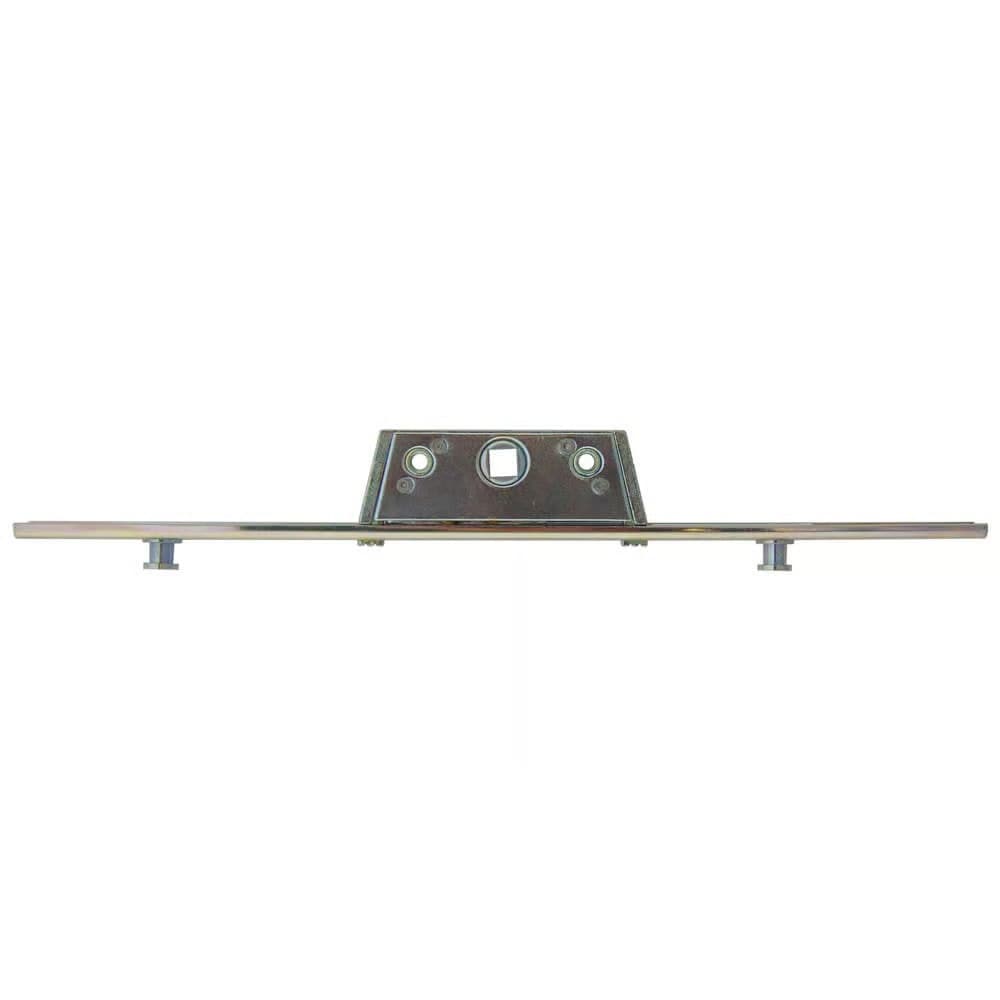
- In-Line Window Mechanism
- Offset Window Mechanism
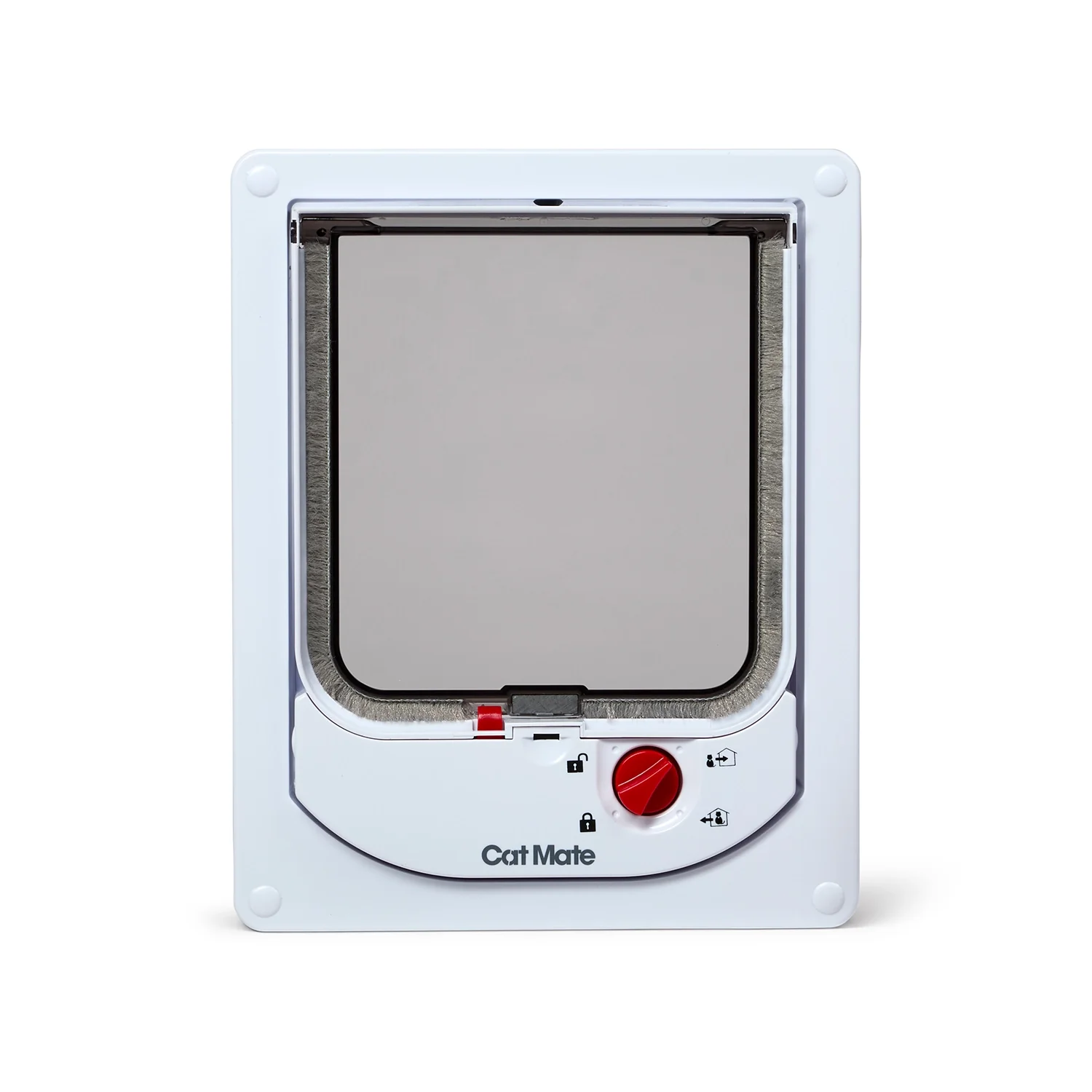
- Cat Mate Electromagnetic Cat Flap
- E-Type Gasket - Black 5m Roll
- E-Type Gasket - Black (Per Metre)
Conclusion and next steps
Fitting a cat flap for upvc door is a straightforward job when you choose the right product and follow careful marking, cutting and sealing procedures. For domestic DIYers, stick to models designed for uPVC and take your time with the cutting. Trade professionals should carry bi-metal blades and step drills for reinforced doors and document any modifications for clients.
Next steps: select a suitable flap from a reputable supplier, review the manufacturer template carefully and check our related resources at /guides/pet-flaps for product recommendations and maintenance advice. If you are unsure about door reinforcements or structural issues, consult a qualified installer.
Products mentioned in this article

Related articles
Rented Property Cat Flap Options: What Landlords Need to Know
Rented Property Cat Flap Options: What Landlords Need to Know Installing a cat flap in a rented property can improve tenant satisfaction but it raises ques...
Replacing uPVC Door Panels with Cat Flap Panels: A Cleaner Solution
Replacing a uPVC door panel with a purpose-made cat flap panel is a practical way to give pets easier access while keeping the rest of the door intact. Whe...
Dog Flap Insulation: Preventing Heat Loss Through Larger Pet Doors
Dog Flap Insulation: Preventing Heat Loss Through Larger Pet Doors Large dog flaps are convenient for owners and pets, but they create a significant therma...