
How to Fit a Dog Flap in a Door: Complete Installation Guide
How to Fit a Dog Flap in a Door: Complete Installation Guide Fitting a dog flap into a door is a common upgrade for homeowners and an everyday job for trad...
How to Fit a Dog Flap in a Door: Complete Installation Guide
Fitting a dog flap into a door is a common upgrade for homeowners and an everyday job for trade professionals. The right installation keeps the property secure, watertight and thermally efficient while giving pets freedom to come and go. This post covers practical trade advice, DIY step-by-step instructions and key considerations for timber, composite, PVCu and aluminium doors.
Choose the right dog flap and location
Select a dog flap sized for your pet: measure shoulder height and add 5 to 10 centimetres for clearance. Consider functional options such as single or dual flap, magnetic closures, brush seals and electronic locks that use microchip or RFID. For thermal performance choose an insulated flap with magnets and a tight seal; look for U-value information if energy efficiency is important.
Position the cutout at shoulder height rather than belly level; this helps ease wear on the flap and reduces strain on the pet. Ensure the chosen panel is not near glazing, locks, or multi-point locking hardware: cutouts close to lock stiles can compromise security and should be avoided.
Tools and materials
- Dog flap kit with manufacturer’s template
- Measuring tape, pencil and spirit level
- Drill with wood/metal bits; 8–10 mm pilot bit
- Jigsaw with appropriate blade, or a plunge router and straight cutter
- Metal-cutting blades for aluminium; hacksaw or reciprocating saw where applicable
- Clamps, masking tape and a battens or backing board
- Silicone sealant and, where recommended, epoxy or PU adhesive
- Stainless steel screws or rivets as specified by manufacturer
- PPE: safety glasses, dust mask and hearing protection
Pre-install checks and safety
Inspect the door construction: is it solid timber, hollow-core timber, PVCu with foam core, composite with GRP skins, or aluminium? Check the door thickness and whether the flap supplier supports that construction. Read the dog flap manufacturer’s instructions and use their template. If the door contains wiring, glass, or reinforcement beams, do not cut until these are located and accounted for. For composite doors consult the door manufacturer or a specialist fitter if you are unsure; cutting can interfere with the internal reinforcing frame and multi-point lock operation.
Step-by-step installation
- Mark the cutout: Tape the template to the door on both faces; use a spirit level and measure from the floor to ensure symmetry. Transfer the outline accurately, allowing for the external frame of the flap.
- Drill starter holes: In each corner of the marked rectangle drill a pilot hole large enough for the jigsaw blade; this makes the internal cuts neater and reduces splintering.
- Cut the opening: For timber doors a jigsaw with a fine wood blade is sufficient. For denser materials use a plunge router or suitable blade. For PVCu and composite doors cut carefully through the outer skin and core; use a backing board to prevent blowout on the reverse face.
- Prepare the edges: Remove burrs and smooth edges with a file. For aluminium doors de-burr and apply an anti-corrosion coating to exposed metal.
- Fit the flap: Dry-fit both inner and outer frames using the manufacturer’s fixings. Check that the flap swings freely and seals correctly. If the door is thicker or thinner than the flap’s stated range, fit spacer plates or order the correct sized unit.
- Seal and secure: Apply a bead of exterior-grade silicone sealant between the flap frame and door face where recommended. Use stainless steel screws or rivets and countersink if needed. For PVCu and composite doors use the manufacturer’s reinforcing plates or bolts to avoid compressing the skins; do not rely on the outer skins alone for structural support.
- Finish: Clean excess sealant, fit internal trim if supplied and test locking functions or microchip detection. Train the pet to use the flap gradually to avoid panic or damage.
Material-specific tips
Timber doors: Work is straightforward but aim for clean cuts and protect exposed timber with a preservative or paint to prevent ingress of moisture. For solid timber doors you can rout a rebate for the frame so the flap sits flush.
Composite doors: These contain internal reinforcement and sometimes foam cores. Use manufacturer-approved dog flaps or have a trade fitter install the flap following prescribed reinforcement methods. Cutting too close to the lock stile can render the locking system ineffective; if you are unsure get professional advice.
PVCu doors: PVCu skins over foam core mean you must fit reinforcement plates supplied with most quality flaps. Ensure external seals are installed; use silicone where the frame meets the door skin and avoid overtightening screws which can crack the skin.
Aluminium doors: Use specialist blades and consider professional fitters. Attachments often require rivets and sealing compounds designed for metal; protect cut aluminium with a conversion coating or primer to prevent corrosion.
Security, weatherproofing and maintenance
Security: Avoid undermining door security by cutting into lock stiles. Consider flaps with keyed locks or electronic microchip control for restricted access. For trade installations document how the cut affects lock engagement and provide the customer with guidance on any warranty implications for the door.
Weatherproofing: Magnetic seals, brush strips and draught excluders reduce heat loss. Check seals periodically and replace worn brush strips. Insulated flaps are especially important for exterior doors in cold UK winters.
Maintenance: Clean the flap regularly; check fixings and seals annually. Replace worn flaps promptly to maintain security and thermal performance.
Common problems and solutions
- Flap sticks or rubs: Check square alignment; loosen fixings, adjust and re-tighten. Ensure the frame is not overcompressed against seals.
- Cold draughts: Fit a flap with better insulation or add magnetic seals and brush strips; check for gaps and reseal with silicone.
- Structural weakness: If the door panel is hollow or thin, retrofit reinforcement plates or consider fitting the flap in an alternative panel or a side panel.
Recommended Products
Based on this article, you may find these products helpful:
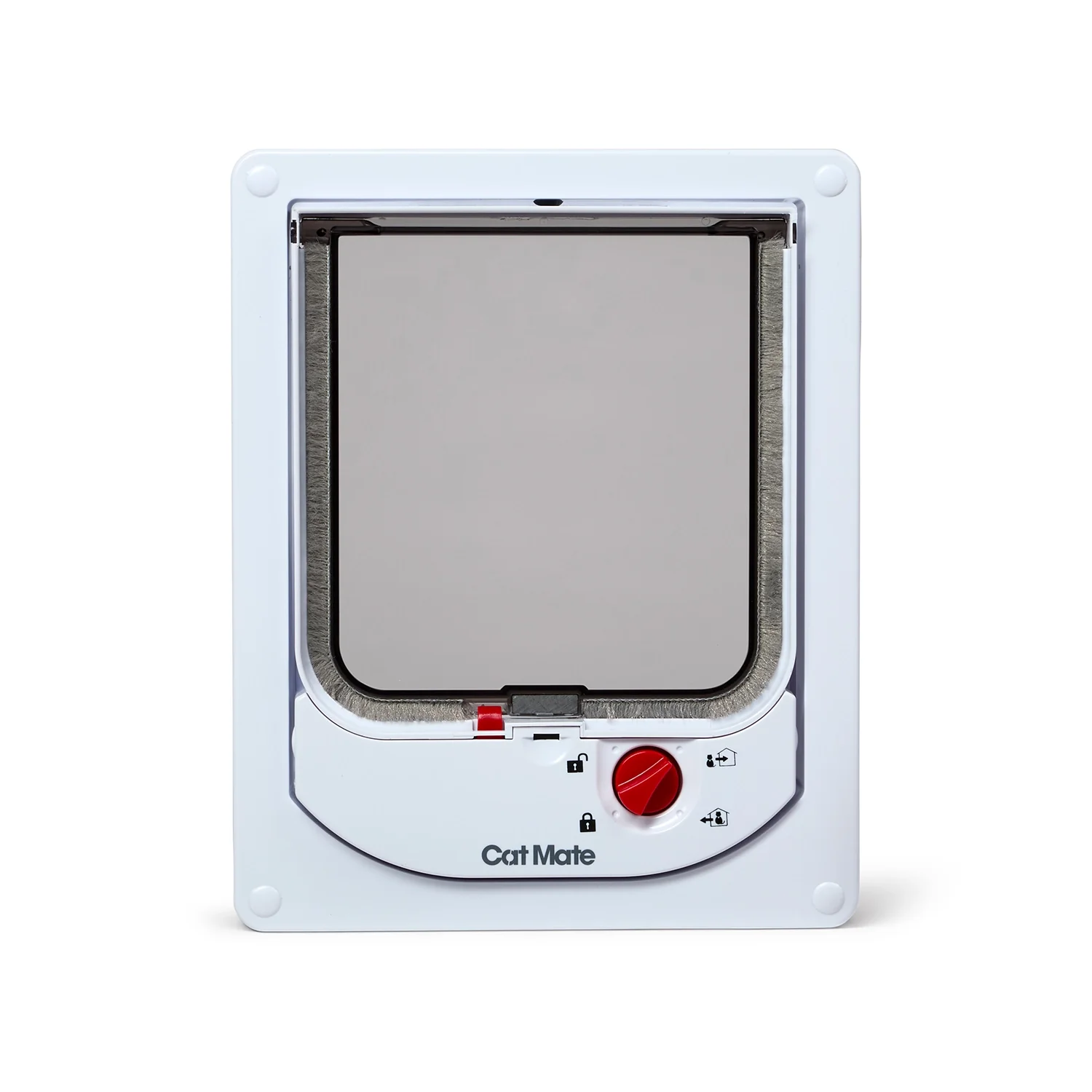
- Cat Mate Electromagnetic Cat Flap
- E-Type Gasket - Black 5m Roll
- E-Type Gasket - Black (Per Metre)
- Structural Glazing Tape - 20mm
- Security Glazing Tape
Conclusion and next steps
Fitting a dog flap can be a straightforward DIY job on solid timber doors but requires specialist attention for composite, PVCu and aluminium doors to preserve security and performance. Start by choosing a suitable model, follow the manufacturer’s template and use the correct tools and fixings. If the door contains multi-point locks, glazing or complex construction, contact a trade fitter or the door manufacturer for advice.
Next steps: check the dog flap models on our pet flaps pillar page at /guides/pet-flaps, review manufacturer templates for your door type and gather the correct tools and PPE before you begin. For complicated installations consider booking a professional fitter to ensure compliance with door warranties and secure performance.
Products mentioned in this article
Related articles
Rented Property Cat Flap Options: What Landlords Need to Know
Rented Property Cat Flap Options: What Landlords Need to Know Installing a cat flap in a rented property can improve tenant satisfaction but it raises ques...
Replacing uPVC Door Panels with Cat Flap Panels: A Cleaner Solution
Replacing a uPVC door panel with a purpose-made cat flap panel is a practical way to give pets easier access while keeping the rest of the door intact. Whe...
Dog Flap Insulation: Preventing Heat Loss Through Larger Pet Doors
Dog Flap Insulation: Preventing Heat Loss Through Larger Pet Doors Large dog flaps are convenient for owners and pets, but they create a significant therma...