
How to Identify uPVC Window Parts: A Photo Guide
How to Identify uPVC Window Parts: A Photo Guide Whether you are a homeowner replacing a worn handle or a trade professional sourcing a specific lock, bein...
How to Identify uPVC Window Parts: A Photo Guide
Whether you are a homeowner replacing a worn handle or a trade professional sourcing a specific lock, being able to identify upvc window parts quickly saves time and money. This photo-centred approach explains the common components you will see on UK uPVC windows, how to photograph them for accurate matching, and practical advice for repairs and ordering replacements.
Common uPVC window types and where parts sit
uPVC windows come in several styles and the hardware differs by type. Knowing the style helps narrow down likely parts:
- Casement windows: outward opening, common in the UK; use friction hinges and espagnolette locks.
- Tilt-and-turn windows: inward opening and tilting for ventilation; use specialised multi-mode hardware and mushroom keeps.
- Sash windows: vertical sliding units; use sash balances or pulley systems and sash locks.
- Top-hung or side-hung variants: use different hinge formats and locking points.
External components: frame, sash, glazing and seals
Before focusing on fittings, learn the structural parts that affect replacement choices:
- Frame and sash: the outer fixed frame and the movable sash. Measure profile depth and sightlines if ordering new sashes or beads.
- Glazing unit: the sealed double-glazed unit, often referred to as a DGU. Look for spacer type and any misting between panes; a fogged unit needs reglazing.
- Glazing bead: the removable trim that holds the glass in the sash; different bead profiles exist for different systems.
- Gaskets and weatherseals: rubber or PVC seals around the glass and frames; worn seals cause draughts and water ingress.
Fittings and hardware to identify
These are the items most frequently replaced or serviced. Photograph each clearly to identify the exact part.
- Handles: commonly espagnolette handles with a square spindle. Note spindle thickness, backset and screw positions. Many handles carry a maker’s logo or part code.
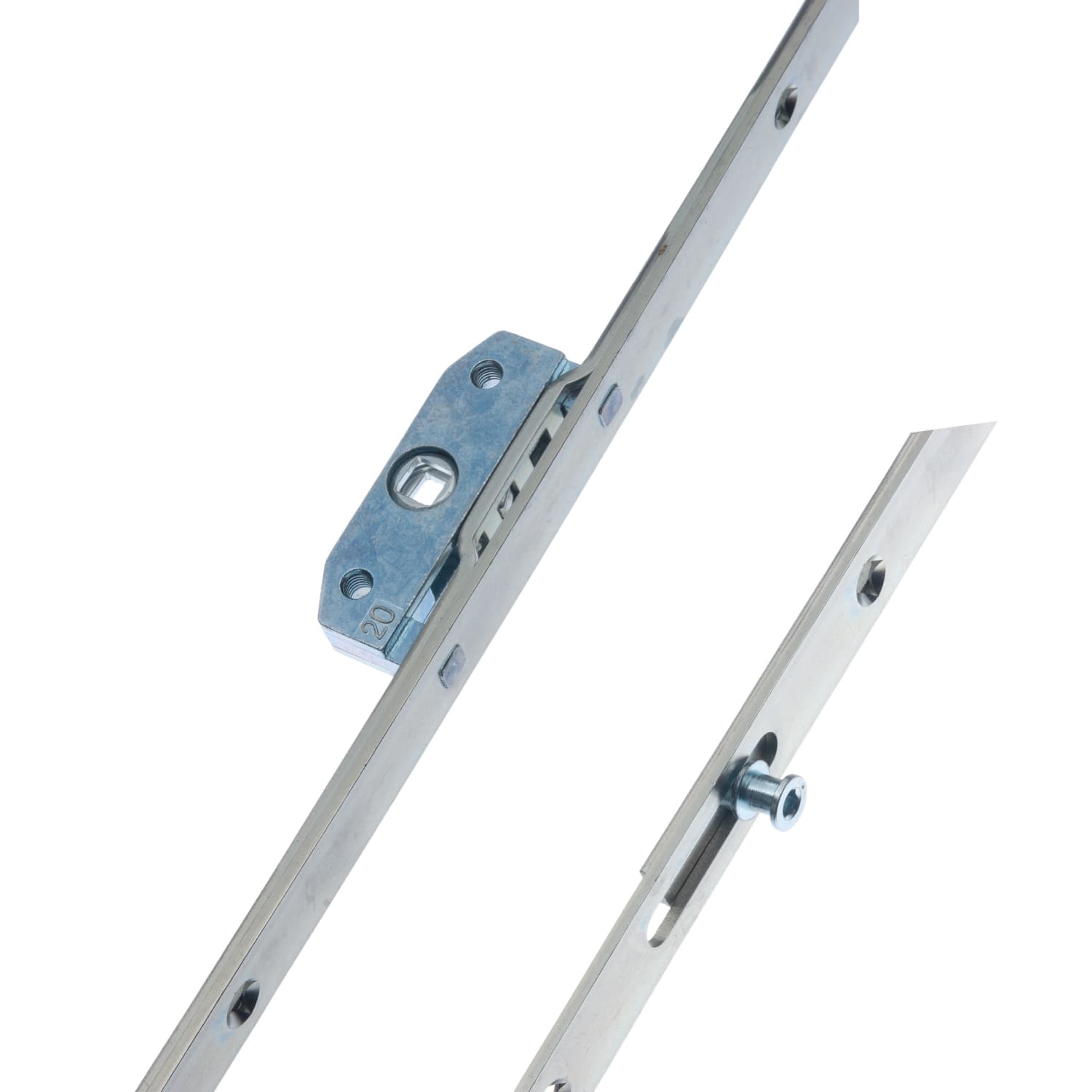
- Espagnolette/gearbox: the central mechanism that drives locking cams or rods when the handle turns. Look for a stamped code, faceplate length and screw centres.
- Shoots and rods: some systems use steel rods or rotating cams to operate locking points at top and bottom; these may be fixed to the gearbox or separate.
- Keeps and striker plates: metal plates fixed to the frame where cams, hooks or mushroom pins engage; profile and hole positions vary by system.
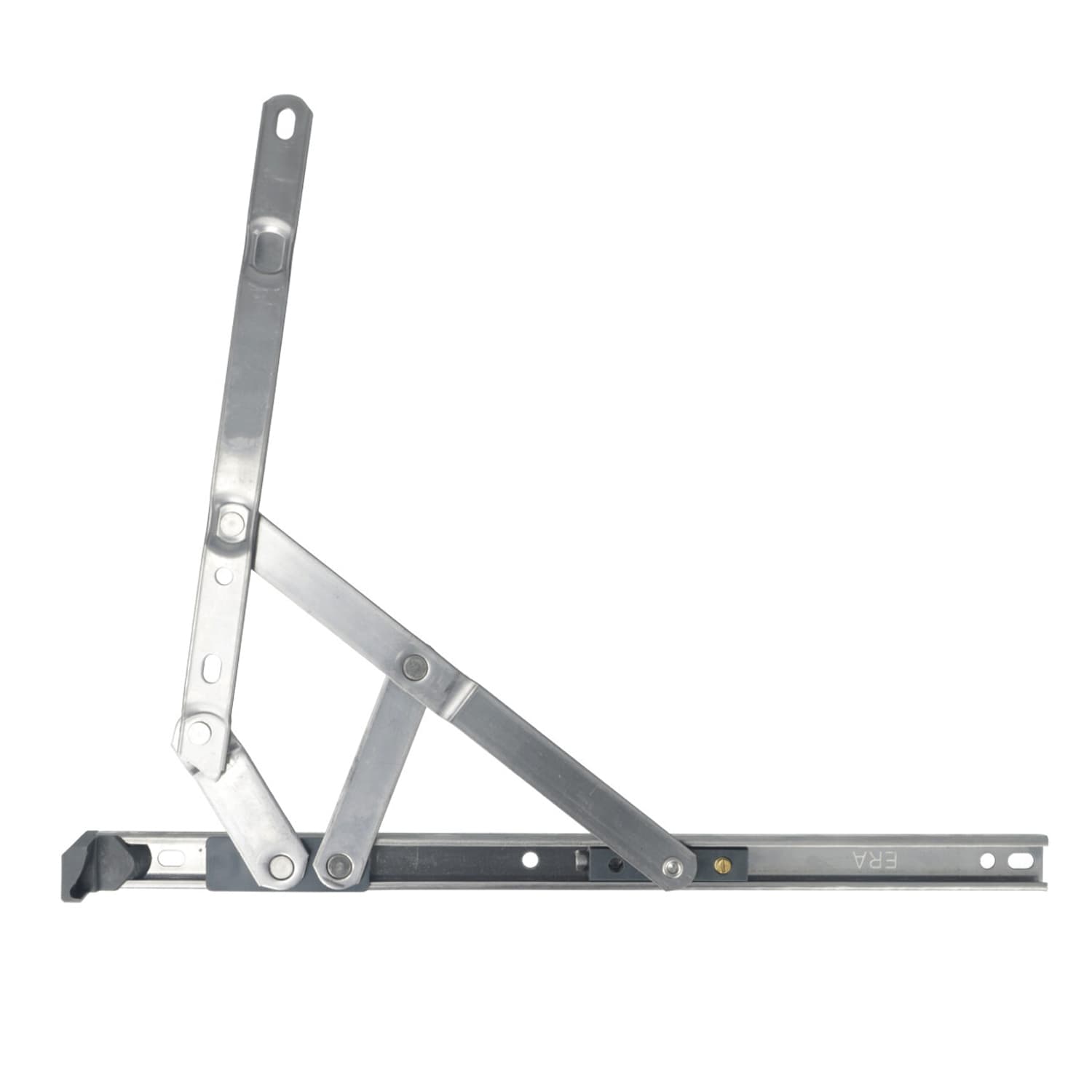
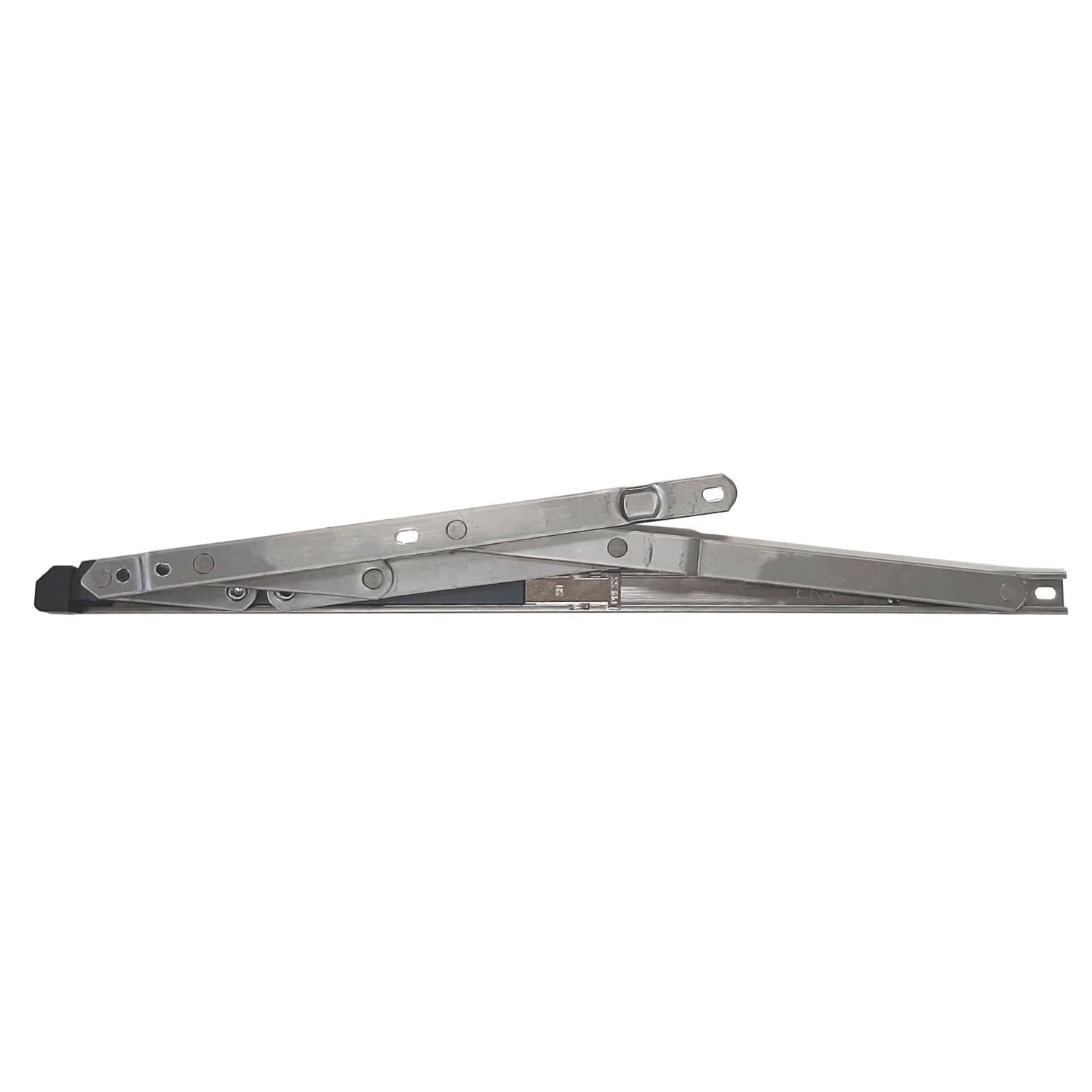
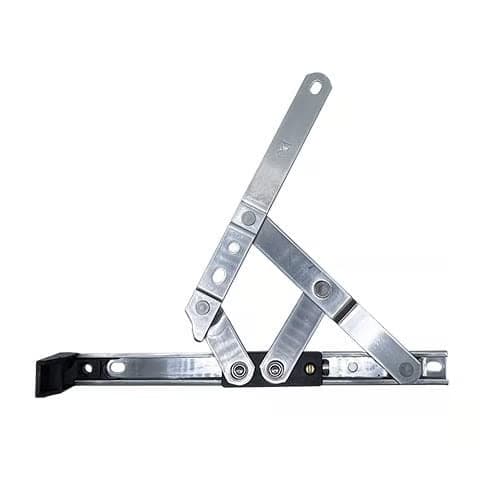
- Hinges and friction stays: friction stays control the opening angle on casements; check length, mounting hole pattern and whether they have a child restrictor.
- Sash lifts and cope plates: assist with lifting heavy sashes or cover the top/bottom sash areas; often swapped during refurbishment.
- Sash balances and pulleys: for sliding sash windows; measure cord length, weight rating and spool diameter if replacing.
- Handles and locking cylinders for doors: similar logic applies for French doors and patio doors fitted with multipoint locks; note cylinder profile and metreage.
How to photograph parts for accurate identification
A set of clear photos speeds identification when contacting suppliers. Follow these practical steps before removing parts:
- Whole window shot: take a photo of the complete window from inside and outside so the profile and style are visible.
- Close-ups of the part: get tight shots of the handle, gearbox faceplate, hinge, or keep. Ensure focus and even lighting.
- Markings and numbers: photograph any stamped codes, logos or numbers on metal parts; these are often decisive for matching.
- Show screw positions and dimensions: include a tape measure or ruler in a close-up so screw centres and faceplate lengths are visible in millimetres.
- Internal views: for gearboxes, remove the handle and take images of the exposed mechanism; for glazing, photograph the edge of the unit to show spacer type and any condensation.
- Context shots: if the part interfaces with others, photograph the mating area so keep plates and striker locations can be seen together.
Practical trade advice and DIY guidance
Use the following tips depending on whether you are a DIYer or a tradesperson ordering parts.
- Measure carefully: record spindle length, spindle square size, faceplate length and screw centre distances; these are the common ordering dimensions.
- Match manufacturer codes: if a part shows a maker’s logo (eg Hoppe, Yale, Maco, GU), use that information when searching stock lists; cross-reference with universal replacements if exact OEM parts are unavailable.
- Safe removal: support the sash before removing handles, hinges or beads to avoid the sash dropping; use two people for heavier units or lift-out operations.
- Tools required: cross-head screwdrivers, Torx bits, Allen keys and a soft-faced mallet are typical; keep a silicone sealant and replacement screws of the correct length to hand.
- Common DIY tasks: replacing handles and escutcheons, swapping glazing beads and replacing sealant can be done by competent DIYers; gearboxes and multipoint systems usually require trade experience if alignment is needed.
- When to call a specialist: if the window sash won’t lock, shows misalignment after replacement, or the DGU is failed, a trade fitter or glazing specialist should be contacted.
Ordering replacements and ensuring compatibility
When ordering upvc window parts, provide photographs, measurements and the window type. If you are a trade buyer, include project codes and quantities. Use the pillar resource at /guides/double-glazing-supplies for product ranges and technical datasheets we stock.
Recommended Products
Based on this article, you may find these products helpful:
- Top Hung Friction Stay - 12"
- ERA Egress (Fire escape) Friction Stay
- TSS Standard Friction Stays – 13mm & 17mm Stack Height
- Restricted Friction Stay Hinges
- ERAB Espagnolette Window Lock Universal Lock Replacement
Conclusion and next steps
Identifying upvc window parts is straightforward with clear photographs, a few key measurements and knowledge of common components such as handles, espagnolette gearboxes, keeps and friction stays. For DIY replacements, take safe working precautions and match dimensions before ordering. If the issue involves sealed unit failure, multipoint alignment or complex hardware, contact a professional fitter.
Next steps: take the recommended photos, record measurements in millimetres, and contact your supplier or the trade counter with images and dimensions for fast, accurate matching.
Related articles
How Old uPVC Window Parts Differ from Modern Replacements
How Old uPVC Window Parts Differ from Modern Replacements Older uPVC windows fitted in the 1980s and 1990s were robust for their time, but the components u...
Glazing Tools Safety Guide: Avoiding Common Injuries
Glazing Tools Safety Guide: Avoiding Common Injuries Working with glazing tools carries a real risk of cuts, crushed fingers and slips when handling panes ...
How to Maintain Your Glazing Tools for Longer Life
How to Maintain Your Glazing Tools for Longer Life Whether you are a trade glazier or a DIY homeowner replacing a pane, well‑maintained glazing tools save ...