
How to Identify Which Double Glazing Supplies You Need for Common Repairs
How to Identify Which Double Glazing Supplies You Need for Common Repairs Whether you are a trade professional or a confident DIY homeowner, identifying th...
How to Identify Which Double Glazing Supplies You Need for Common Repairs
Whether you are a trade professional or a confident DIY homeowner, identifying the correct double glazing supplies before starting a repair saves time and prevents costly mistakes. This post covers the common faults you will see on windows and doors, the specific supplies needed for each repair, and practical measuring and installation tips for accurate ordering and safe fitting.
Start by diagnosing the fault
Before buying parts, confirm whether the issue is mechanical, glazing-related or a sealing problem. Common symptoms and likely causes include:
- Internal condensation or misting: failed sealed unit (double glazed unit) due to a broken seal or degraded spacer
- Cold draughts or water ingress: worn compression seals, brush seals or failed external silicone sealant
- Handles that do not operate the lock: failed gearbox, spindle snapped or worn handle fixings
- Hinges making noise or sash not staying open: worn friction stays, butt hinges or broken pivot shoes
- Sliding doors that stick or jump: worn rollers, guide rails or corroded bottom track
Common repairs and the supplies you will need
Below are typical jobs with the exact double glazing supplies to order, plus practical notes for measurement and compatibility.
-
Misted or failed sealed unit:
- Replacement sealed unit: specify glass size, overall unit thickness (eg 24mm, 28mm), glass type (float, toughened, laminated) and spacer type (warm edge recommended)
- Glazing packers and cavity tape if reglazing the sash
- Butyl or perimeter glazing tape for structural setting where required
Measure the visible glass size and the rebate depth. Many suppliers prefer the exact visible glass measurement and the overall thickness of the frame rebate to make the unit to fit.
-
Broken or loose handles and espagnolette gear:
- Replacement handle: check the spindle size (commonly 7mm or 8mm square) and the screw centres
- Espagnolette locking gearbox or multipoint lock case if the mechanism has failed
- Strike plates or keeps to match the lock faceplate
For trade accuracy remove the old handle and measure spindle length and gearbox faceplate dimensions; bring the old part to the supplier if possible.
-
Worn seals and draughts:
- Compression seals and bulb gaskets for timber and aluminium frames
- Brush pile weatherseals for sliding sashes and thresholds
- External neutral-cure silicone for sealing where frame meets brickwork
Note profile and fixing method: many seals are pushed into a groove, others are nailed or adhered. Match the section profile and material (EPDM, PVC, silicone) for longevity.
-
Faulty hinges and stays:
- Friction stays for casement windows; choose the correct length and weight rating
- Butt hinges or ball-bearing hinges for timber sashes
- Sash lifts, limiters or restrictors for safety and child protection
Measure hinge centres and sash weight. For casement windows choose the stay length measured from centre pivot to end, and ensure the hinge fixing holes match your frame for a direct swap.
-
Patio and sliding door repairs:
- Roller assemblies and guide rails; measure the roller diameter and thickness
- Bottom track replacement or cleaning kits
- Anti-lift blocks, door handles and multipoint door locks for security
Remove a roller to get the part number or exact dimensions. For heavy sliding doors use heavy-duty rollers rated for the sash weight.
-
Cracked single panes or broken glazing bead:
- Replacement glass edge or cut-to-size single panes; for low-level use safety glass (toughened or laminated)
- Glazing beads and clips to match the bead profile; many profiles are manufacturer specific
When replacing single panes in doors or near floor level always specify toughened or laminated glass to meet safety standards.
Measuring and ordering practicalities
Accurate measurement avoids returns and delays. Key points:
- Measure twice: record visible glass dimensions, overall rebate depth and frame thickness
- For sealed units: provide overall unit thickness and whether argon fill is required; specify spacer type if condensation performance matters
- For locks and handles: measure screw hole centres, backset and faceplate size; photograph the part and markings
- Match colours and finishes: white, foiled, anodised or RAL shades; suppliers will need the exact finish name
Tools, consumables and safety
Tradespeople and DIYers should stock the right tools and consumables to fit parts safely:
- PPE: safety glasses, gloves and the correct footwear
- Suction cups for moving glass; glass padding to protect units
- Cordless drill, countersink, rivet gun and screwdrivers
- Glazing packers, shims, masking tape, low-modulus neutral-cure silicone and finishing tools
- Spirit level and torque screwdriver for lock adjustments
When replacing sealed units or working at height consider using a second pair of hands or hiring scaffolding. Safety glass must be used where Building Regulations require it; if unsure seek professional advice.
Trade tips to save time and money
- Keep a small stock of common handles, friction stays and seals in your van; the first fix is often possible without a second visit
- When replacing gear choose complete kits with fixing plates included to reduce on-site modifications
- Order samples or check bead profiles before buying large quantities; many profiles are manufacturer specific
- Photograph faults and measure before removing parts where possible; suppliers can often match parts from images
Recommended Products
Based on this article, you may find these products helpful:
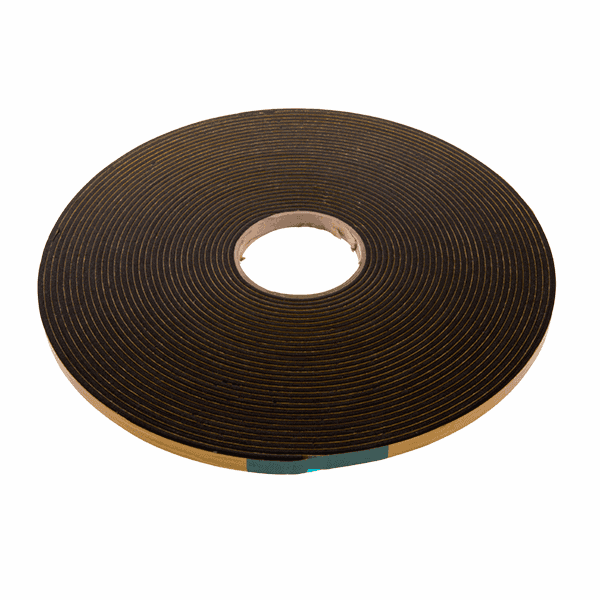
- Structural Glazing Tape - 20mm
- Security Glazing Tape
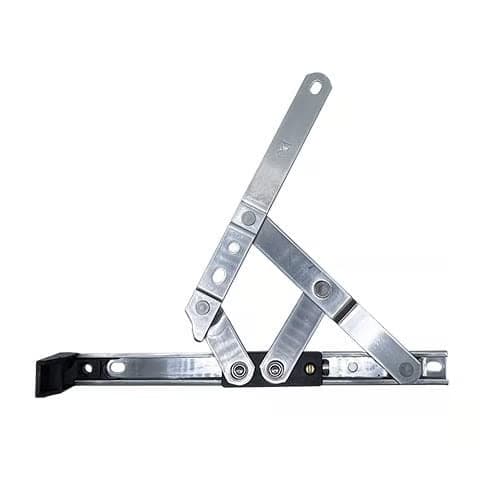
- Top Hung Friction Stay - 12"
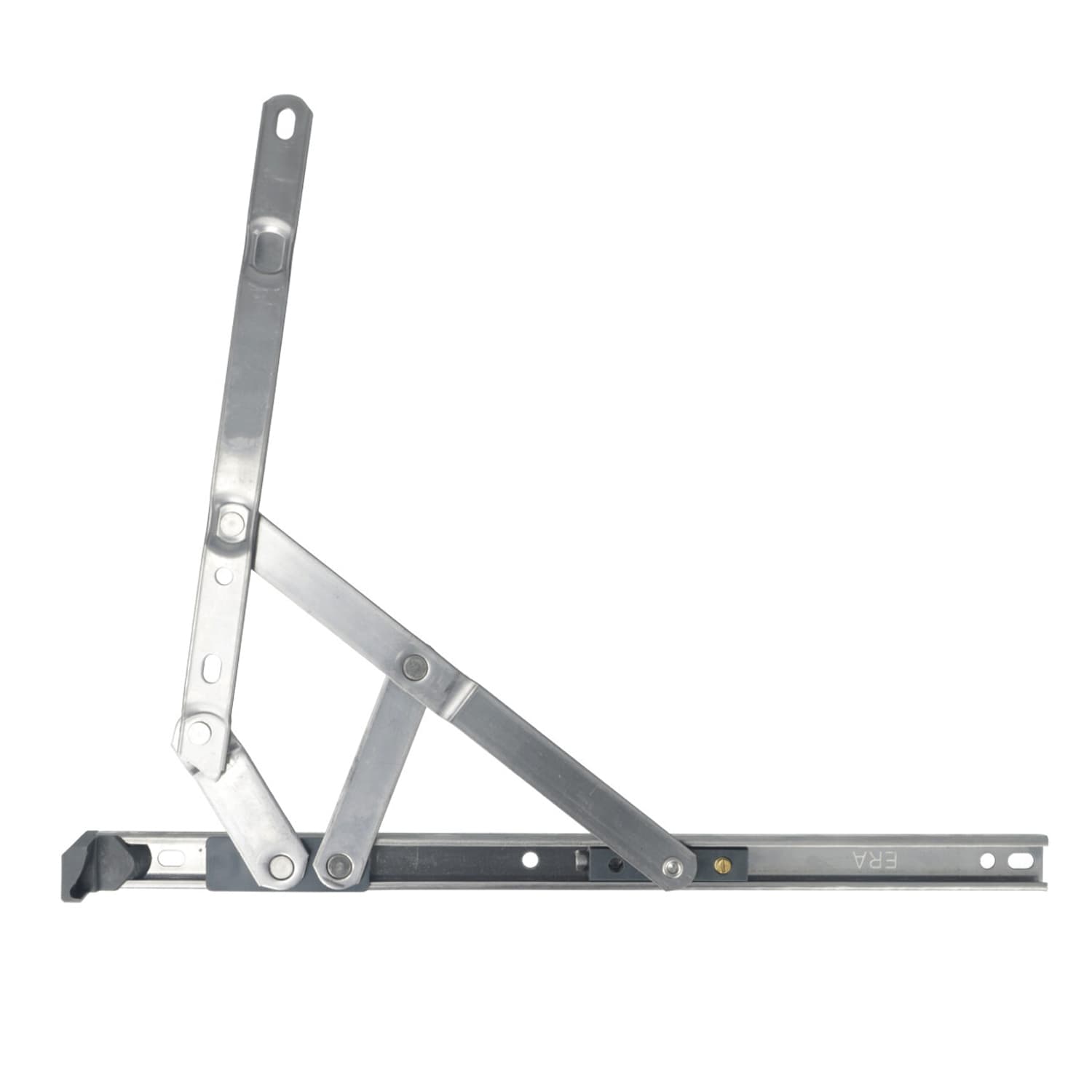
- ERA Egress (Fire escape) Friction Stay
- TSS Standard Friction Stays – 13mm & 17mm Stack Height
Conclusion and next steps
Identifying the correct double glazing supplies starts with a clear diagnosis, accurate measurements and matching part profiles. For most sealed unit problems, handles and seals you can order direct from trade suppliers once you have the measurements and finish details. For safety-critical work such as replacing low-level glazing or structural repairs, use a qualified installer.
Next steps: inspect the unit, note measurements and part details, then consult a supplier or the pillar resource available at /guides/double-glazing-supplies for checklists and product options. If you need help identifying a part, take clear photos and dimensions and contact your supplier for confirmation before ordering.
Products mentioned in this article
Related articles
How Old uPVC Window Parts Differ from Modern Replacements
How Old uPVC Window Parts Differ from Modern Replacements Older uPVC windows fitted in the 1980s and 1990s were robust for their time, but the components u...
Glazing Tools Safety Guide: Avoiding Common Injuries
Glazing Tools Safety Guide: Avoiding Common Injuries Working with glazing tools carries a real risk of cuts, crushed fingers and slips when handling panes ...
How to Maintain Your Glazing Tools for Longer Life
How to Maintain Your Glazing Tools for Longer Life Whether you are a trade glazier or a DIY homeowner replacing a pane, well‑maintained glazing tools save ...