
How to Measure for a Replacement Letter Box
How to Measure for a Replacement Letter Box Replacing a letter box is a common job for homeowners and trade professionals; accurate measurement is the key ...
Replacing a letter box is a common job for homeowners and trade professionals; accurate measurement is the key to a neat, secure and draught-free installation. Whether you are swapping a worn plate on a timber front door, fitting a new letter box to a composite door or replacing a uPVC faceplate, the following practical advice will help you get the right product every time.
Tools and checks before you start
Collect these tools and do a quick inspection before taking any measurements:
- Tape measure (metric and imperial markings are useful)
- Straight rule or small spirit level
- Pencil and masking tape for marking
- Screwdriver set, pliers and a utility knife
- Camera or phone to photograph the existing fitment
- Check if the door is fire-rated, part of an insulated composite, or contains internal reinforcement; if so, you may need a specialist product and professional fitment
Identify the type of letter box you have
Letter box fittings vary: surface-mounted external plates with internal flap, through-door backboxes, morticed (cut into the door) units and mail slot-only plates. For uPVC doors there are often modular backboxes and trim kits. Note whether your existing unit has a mail cage, brush seals, anti-fishing plate or weather cowl; these features affect the size of the replacement and the required depth.
Essential measurements to take
Record all measurements accurately and write them down. Measure to the nearest millimetre where possible. Key measurements are:
- Overall external plate width and height: measure the visible plate on the outside of the door; this helps you choose a replacement that will cover any old screw holes or damage
- Aperture width and height: measure the actual cut-out in the door from the inner edge of the reveal at three points; record the narrowest value for width and height to ensure the new box will pass through
- Door thickness: measure edge-to-edge of the door at the letter box position; if there is a cavity or core block, measure the internal depth where the backbox will sit
- Distance from door edges and hardware: measure from the centre of the aperture to the lock edge, hinges and nearest glazing or panels; ensure you will not interfere with multipoint locking rods or reinforcement
- Reveal depth and weathering: note whether there is a rebate in the door or frame that impinges on the plate; this affects choice of flush or surface-mounted options
Consider post and parcel sizes and accessibility
Decide what items need to fit through the letter box: standard post, A4 envelopes or C4 size mail. Many manufacturers list whether a product will accept A4 or C4. If you need larger capacity, check product aperture dimensions rather than relying on the named size. Also consider the height of the letter box from the finished floor: a common range is 900mm to 1200mm; 1050mm is often used as a practical centre height. For wheelchair accessibility choose a lower position where possible and compliant with any building requirements.
Security, weatherproofing and materials
Ask these questions while measuring: do you need an anti-fishing plate or internal letter cage to prevent retrieval from outside? Is the property coastal or exposed: choose stainless steel or marine-grade finishes to avoid corrosion? For fire doors, ensure the replacement is certified and fitted to preserve the door's rating; many fire doors disallow standard letter boxes and require approved fire-rated apertures or centralised mail systems. If draughts are a concern, note existing brush seals and consider letter boxes with integrated brushes or flaps that fit the aperture tightly.
Practical trade tips
- Photograph both sides of the door and the internal cavity; a picture makes it easier to confirm backbox depth and screw positions when ordering
- Measure at multiple points for width and height; old doors can be out of true and the narrowest measurement is what matters
- If the door has factory reinforcements avoid chiselling into them; refer to door manufacturer instructions or fit a surface-mounted external cowl plus internal trim
- For neat results use a router and template when cutting timber doors; on-site trade tools give a clean mortice that reduces filler work
- When replacing on uPVC, check whether the current unit is riveted or screwed; replace with the correct fixings to avoid splitting the frame
DIY vs professional fit
Many homeowners can replace a like-for-like letter box using common hand tools; carefully remove screws, slide out the old unit and transfer measurements. However, choose a professional fitter for these conditions: the door is fire-rated, the aperture needs enlarging, the door has concealed reinforcements or multipoint locks are nearby, or a precise routed finish is required. Tradespeople can also install anti-fishing cages and ensure weather seals are correctly fitted to prevent condensation and draughts.
Ordering the correct replacement
When ordering, provide: aperture width and height, door thickness, overall external plate dimensions and a photo of both sides. Match the backbox depth to your door thickness; many manufacturers offer adjustable backboxes or kits for timber, composite and uPVC doors. Check finish codes and material specifications: stainless steel, anodised aluminium, brass or powder-coated finishes behave differently in external environments.
Recommended Products
Based on this article, you may find these products helpful:
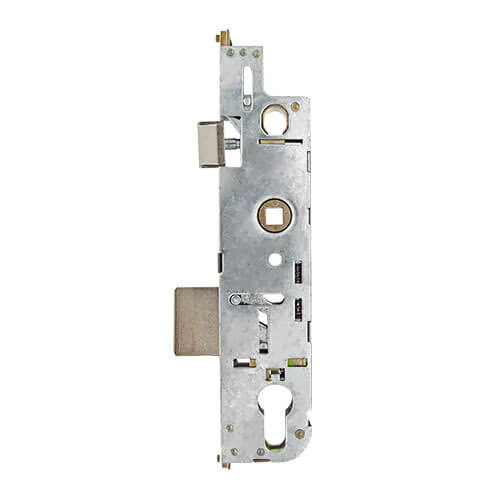
- Multipoint Gearbox GU Old Style
- E-Type Gasket - Black 5m Roll
- E-Type Gasket - Black (Per Metre)
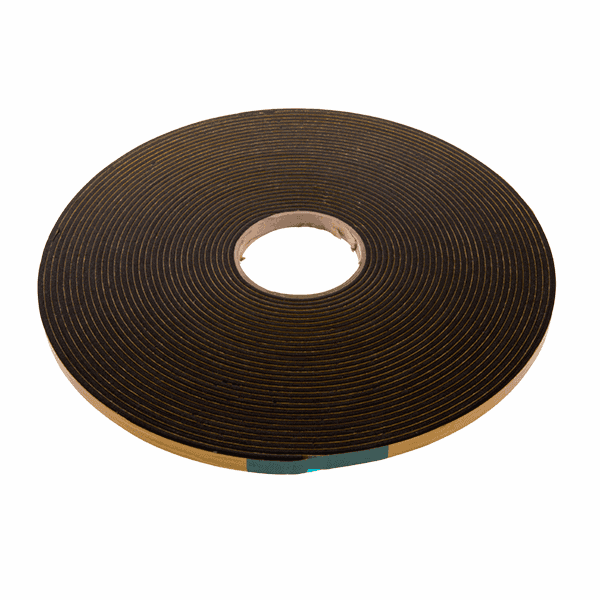
- Structural Glazing Tape - 20mm
- Security Glazing Tape
Conclusion and next steps
Accurate measurement of the aperture, plate and door thickness is essential for a successful letter box replacement. Take multiple measurements, photograph the old fitting and note special requirements such as fire rating, multipoint locks, coastal exposure and anti-fishing needs. Next steps: compare your measurements with product specifications on the Window Hardware Store letter boxes page; if you are unsure about fire doors or reinforcement, contact a professional for an on-site assessment or reach out to our trade support team with photos and dimensions for product recommendations.
Products mentioned in this article
Related articles
Internal vs External Letterbox Draught Excluders: Which Works Better?
Internal vs External Letterbox Draught Excluders: Which Works Better? A letterbox is a small opening that can let in a disproportionate amount of cold air,...
How to Retrofit an Anti Arson Letterbox to an Existing Door
How to Retrofit an Anti Arson Letterbox to an Existing Door What is an anti arson letterbox and why retrofit one? An anti arson letterbox is a specialist l...
Letterbox Draught Excluder for Security: Added Protection
Letterbox Draught Excluder for Security: Added Protection A well-chosen letterbox draught excluder reduces heat loss and noise while contributing to a stro...