
How to Set Up a Microchip Cat Flap: Programming Your Pet's Chip
How to Set Up a Microchip Cat Flap: Programming Your Pet's Chip A microchip cat flap gives confident, secure access for your pet while keeping out stray an...
How to Set Up a Microchip Cat Flap: Programming Your Pet's Chip
A microchip cat flap gives confident, secure access for your pet while keeping out stray animals. For UK homeowners and trade professionals, correct setup involves both electronic pairing and careful physical installation in doors or panels. This post covers how to check the microchip, put the flap into learning mode, common troubleshooting, and practical trade tips for fitting into different door and window materials.
Why choose a microchip cat flap
Microchip cat flaps read the implanted ISO microchip in a cat to permit entry; they are more reliable than collar keys and reduce the chance of unwanted animals entering the home. Models vary from battery-operated units to mains-powered and from simple one-cat readers to flaps with selective access for multiple pets. Choosing the right model depends on compatibility with the microchip standard and the physical demands of the door or window where the flap will be fitted.
Check your cat’s microchip first
Before attempting programming, confirm the microchip details:
- Confirm the microchip is ISO 11784/11785 compliant; this is the 134.2 kHz standard used widely in the UK and recognised by most microchip flaps. Some older chips or non-ISO chips operate at 125 kHz and may not be recognised.
- Scan your cat with a veterinary scanner or at a rescue centre to verify the chip number and readability. The chip is typically under the skin between the shoulder blades.
- Ensure the chip is registered and owner details are up to date with a UK database; this is essential if the cat becomes lost.
Prepare the cat flap and location
Good preparation reduces fitting time and prevents damage to doors or frames. Consider these points:
- Select a position at shoulder height for the cat when standing; a centre-of-door placement tends to work well for most doors and conserves structural strength.
- Check door material: uPVC, composite, aluminium and timber each require different fixings and cutting techniques; glazing panels should be handled by a glazier.
- Follow the manufacturer’s template exactly. For trade professionals: clamp templates securely and use backing boards to avoid blowout when drilling or cutting.
- Ensure access for wiring if you are installing a mains model. Use cable clips and grommets to protect cables; install an isolator if required.
- Have stainless steel screws, silicone sealant, and foam packers on hand. For hollow composite doors, use a backing plate or timber packer to provide a secure fixing surface.
Programming the microchip to the flap: step-by-step
Most microchip cat flaps use a simple learn or pairing process. Exact steps vary by manufacturer, but the typical sequence is:
- Install the flap electrically and mechanically according to the instructions; switch on the unit and replace batteries if battery powered. Confirm the unit is in standby.
- Set the flap to learning or programming mode: usually this is done by pressing a programming button on the unit or remote; an LED or audible beep indicates the unit is ready.
- Present the cat’s microchip to the reader: allow the cat to approach and place the shoulder-blade area within the reader’s range. Some flaps will learn when the cat pushes through the flap while the unit is in learning mode; others require you to hold a scanner or the cat close to the reader area.
- When the flap accepts the microchip, a confirmation is given by a beep, LED flash or on-screen indicator. Repeat for additional cats if required.
- Test the lock settings: set the flap to the required access mode such as in-only, out-only, in-and-out or locked. Perform several full entry and exit tests to ensure consistent detection and that door hardware and seals remain aligned.
Troubleshooting common issues
If the microchip is not being recognised, consider these checks:
- Compatibility: verify the microchip frequency and standard; older 125 kHz chips may need an external collar tag or a different flap model.
- Read range and interference: metal cores in composite doors or reinforced uPVC can reduce antenna performance; relocate the flap slightly or fit an external antenna or remote reader where available.
- Positioning: the microchip must pass close to the antenna; training the cat to present the shoulder area helps. Use treats and short sessions to encourage correct positioning.
- Power and batteries: low battery voltage reduces read distance. Replace batteries with fresh premium cells and ensure proper polarity and contacts are clean.
- Physical obstruction or misalignment: ensure the flap closes fully and the seal sits flush. Countersink screws and use packers to maintain alignment in soft or hollow doors.
Trade and DIY installation tips for doors and windows
Fitting a microchip cat flap into a door or standard panel is a straightforward job for a competent DIYer or tradesperson, but certain materials demand specialist treatment:
- uPVC doors: remove the door from hinges where possible; follow the template and cut with a fine-tooth jigsaw blade or router. Be careful of internal metal reinforcement; secure fixings into plastic or timber packers as required.
- Composite doors: these are often reinforced and hollow; fit a backing plate or timber packer and use specialist security screws to maintain the door’s structural integrity.
- Aluminium doors: use a drill and step bits; avoid overheating and use stainless steel fixings. Sealing around the aperture is important to prevent corrosion.
- Glazed panels and sealed units: do not attempt to cut sealed double glazing. Fit the flap into an existing panel or replace the panel with a bespoke glazed unit containing the flap cut-out installed by a glazier.
- Window installations: many flaps are available as panels for window frame insertion or as wall-mounted through-the-wall kits; ensure proper weatherproofing and lintel support.
Recommended Products
Based on this article, you may find these products helpful:
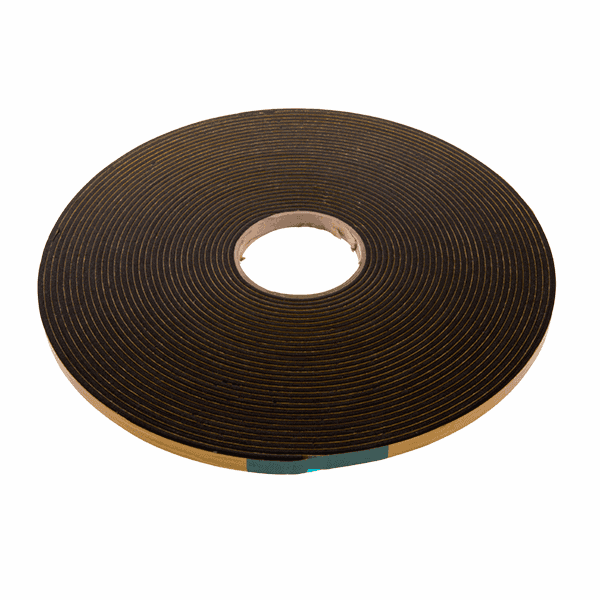
- Structural Glazing Tape - 20mm
- Security Glazing Tape
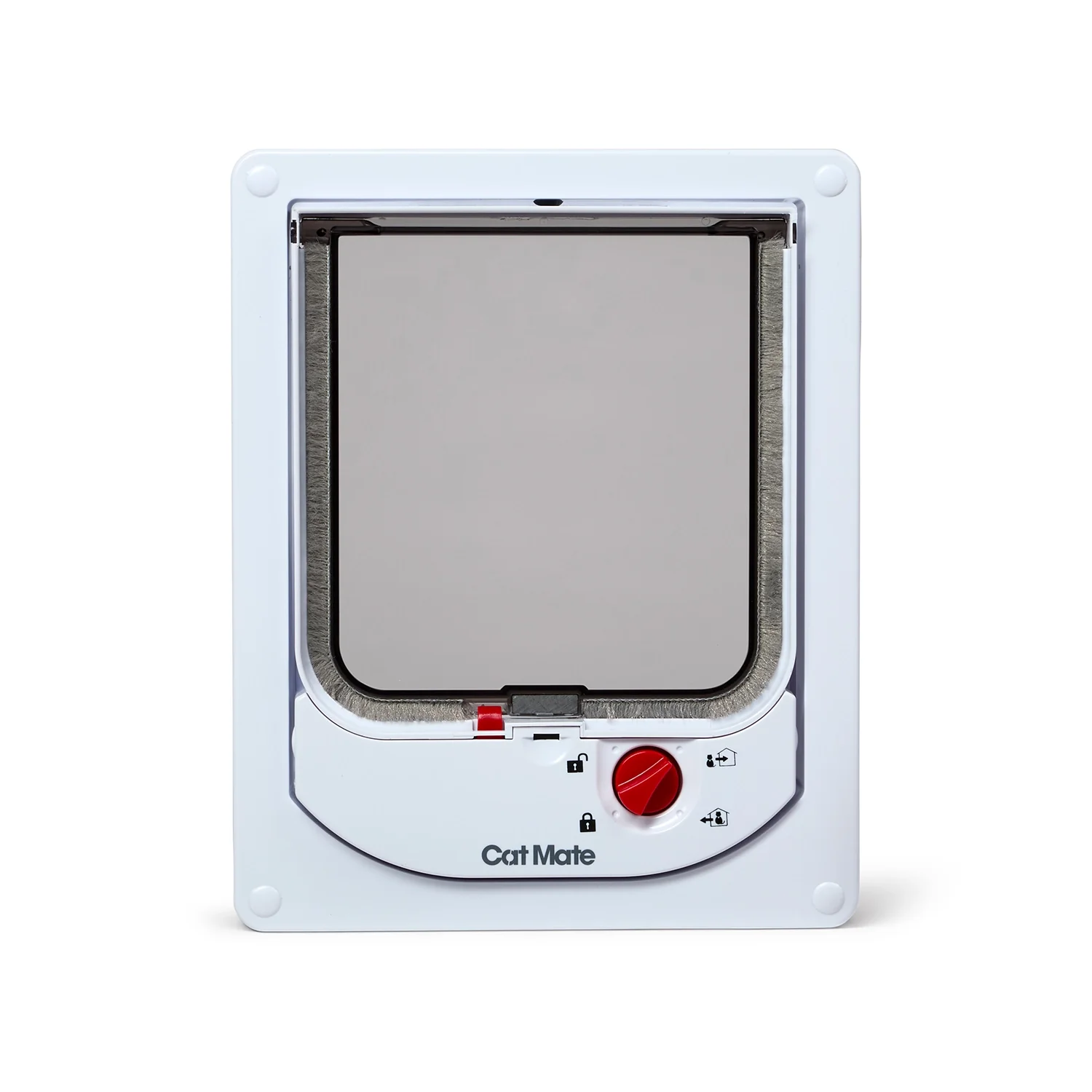
- Cat Mate Electromagnetic Cat Flap
- Top-Hung Window Hinge - Standard
- Side-Hung Window Hinge - Standard
Conclusion and next steps
Setting up a microchip cat flap is principally about confirming chip compatibility, careful programming, and installing the unit with correct fixings and sealing. For most homeowners, following the manufacturer’s programming steps and testing over several days will ensure reliable operation. Trade professionals should plan for backing plates or packers when working with hollow or reinforced doors, and avoid cutting glass units.
Next steps: scan and confirm the microchip number and database registration; fit the flap using the correct template and fixings for the door material; program the flap with the cat present, then carry out repeated entry and exit tests. If you encounter persistent read failures, contact the flap manufacturer for advice on antenna options or consult a glazier for glazed installations.
Products mentioned in this article
Related articles
Rented Property Cat Flap Options: What Landlords Need to Know
Rented Property Cat Flap Options: What Landlords Need to Know Installing a cat flap in a rented property can improve tenant satisfaction but it raises ques...
Replacing uPVC Door Panels with Cat Flap Panels: A Cleaner Solution
Replacing a uPVC door panel with a purpose-made cat flap panel is a practical way to give pets easier access while keeping the rest of the door intact. Whe...
Dog Flap Insulation: Preventing Heat Loss Through Larger Pet Doors
Dog Flap Insulation: Preventing Heat Loss Through Larger Pet Doors Large dog flaps are convenient for owners and pets, but they create a significant therma...